

Reviewed · CORNWALL TOURS
5-Day Devon and Cornwall Small-Group Tour from London
Stonehenge, Tintagel, St Ives, Land’s End and the Minack Theatre make this a remarkably full five-day introduction to southwest England. You cover a lot of ground, but the small coach and overnight stops in Exeter and Falmouth keep the trip from becoming one long ride from London and back.
I like the maximum 16-person group, which makes narrow Cornish roads and quick roadside stops far easier to manage. I also like the choice between B&Bs and three-star hotels, plus the fact that the driver-guide handles roads that can be tiny, steep and awkward.
The trade-off is time. This is a brisk sampler, not a slow coastal holiday. Some stops last only 20 or 30 minutes, and the final return to London is a long day. The Minack Theatre is also subject to availability, so it cannot be treated as a guaranteed visit.
Key points to know before booking

- Stonehenge and Tintagel Castle are included, while other attractions and meals usually cost extra.
- The Minack Theatre is a highlight when available, but the visit depends on opening and ticket availability.
- Two-night stays in Exeter and Falmouth mean less packing and unpacking than on a one-night-everywhere tour.
- Guides such as Carl, John, June, Stuart and David have been praised for local stories, practical help and careful driving.
- The 20kg luggage limit matters, especially because the mini-coach has limited storage.
- B&B rooms can sit 20 to 30 minutes from town facilities, while hotel rooms are usually more central but may still require a walk.
Why this Devon and Cornwall route works
At $1,347.48 per person, this is not a bargain coach outing. You are paying for four nights of accommodation, breakfasts, transport, a driver-guide and entry to Stonehenge and Tintagel Castle. Meals, optional attractions and most other admissions come separately.
I think the price makes the most sense if you do not want to drive. Southwest England has narrow lanes, sudden bends and coastal roads where a driver must pay close attention. You can look out at the countryside instead of wrestling with a rental car, finding parking or learning the road system.
The tour also saves you the trouble of building a route across a large region. Winchester, Stonehenge, Devon, Cornwall, Glastonbury and London are spread over a wide area. In five days, you see the major names along with smaller places such as Boscastle and Port Isaac.
The format suits an active first visit. You get broad exposure, then can decide where to return for a longer stay. If you already know you want three days in St Ives or several quiet walks on the coast, this schedule will feel too quick.
A few more Cornwall days out to weigh up
- 5-Day Discover Wales Small-Group Tour from London
★ 5.0 · 88 reviews - 5-Day Heart of England, Wales & Yorkshire Small-Group Tour from London
★ 5.0 · 47 reviews
Day one: Winchester, Stonehenge and Exeter
You meet at Green Line Coach Station on Bulleid Way near Victoria at 9:15 am. Check-in closes 15 minutes before departure, and the coach leaves on time, so I would arrive early rather than risk beginning the trip in a panic.
The first stop is Winchester, once the capital of Anglo-Saxon England. You have about two hours, generally between 11 am and 1 pm, to explore. The Norman cathedral and Great Hall are the main draws, with Alfred the Great woven into the city’s story.
Two hours gives you a useful first look, but it does not cover every attraction in detail. If you want to enter the cathedral or another site, reserve ahead when possible. Otherwise, you can walk through the historic center, find lunch and get used to the rhythm of the tour.
Stonehenge follows, with about 90 minutes on site. Your admission is included, and the visit begins at the visitor center, where an exhibition displays prehistoric objects connected with the site. A land train shuttle carries you toward the stone circle.
Stonehenge is one of those places where the setting matters as much as the stones. The wide open ground and the uncertain purpose of the monument give the stop a quiet, reflective quality. The time is enough for the main visit, though anyone fascinated by archaeology may want longer.
After Stonehenge, you continue to Exeter, an important Roman settlement and your base for two nights. That overnight pattern is useful. You can unpack once, find your bearings and enjoy an evening without rushing to another hotel.
Day two: Dartmoor ponies and Exeter’s old center
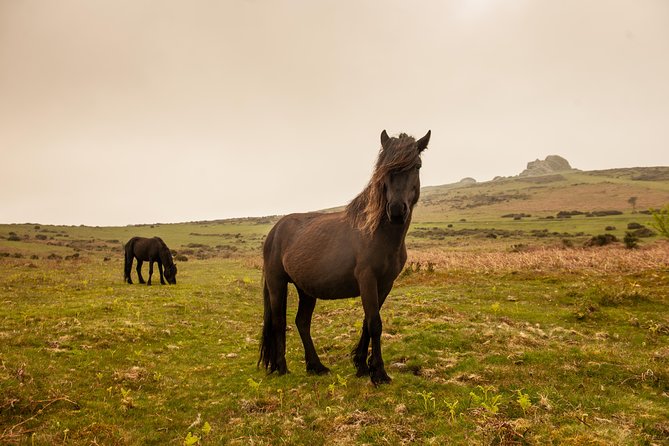
Dartmoor gives you a sharp change from the formal monuments of day one. The moor is open, windswept and marked by unusual rock formations. Native ponies graze near the road, and the short stop offers a taste of the area’s plants, wildlife and exposed terrain.
The scheduled Dartmoor visit is about 30 minutes, so treat it as a scenic pause rather than a hike. Weather can change quickly in open country, and comfortable shoes with a waterproof layer are sensible at any time of year.
You cross the ancient Clapper Bridge at Postbridge before reaching Tavistock. This historic market town is linked with Sir Francis Drake, and the stop gives you another view of Devon beyond the moor. At around 30 minutes, you will have time to stretch your legs and take in the center, but not to explore every street.
You return to Exeter in the early afternoon with about two hours free. This is one of the itinerary’s more flexible periods. You can see the Norman cathedral, walk beside the old city walls, visit the Royal Albert Memorial or head toward the Quayside.
I like this built-in free time because the tour is not trying to fill every minute with a guided activity. Your guide can point you in the right direction, then you choose your own pace. Exeter rewards a little wandering, although you should keep an eye on the departure time.
Day three: Boscastle, Tintagel and Port Isaac

Day three shifts into Cornwall’s coastal country. Boscastle Harbour is a medieval fishing harbor with a narrow, dramatic setting. You have about 90 minutes, enough for a walk toward the headland, a cream tea or a visit to the Museum of Witchcraft, though those extras are not included.
This is one of the places where sturdy shoes help. Coastal paths and uneven surfaces can make a short outing feel more active than the schedule suggests. The harbor itself is compact, so you can enjoy the scenery without needing a long walk.
Tintagel follows, with around 90 minutes and admission included. The castle ruins sit high above the sea and are tied to the legend of King Arthur. The attraction combines myth, cliffs and old stonework, which gives it more atmosphere than a simple ruin.
Allow energy for slopes and steps. The headland setting is the real prize, but the approach is not flat or effortless. If you move slowly, you may need to choose between exploring every corner and spending time at the viewpoints.
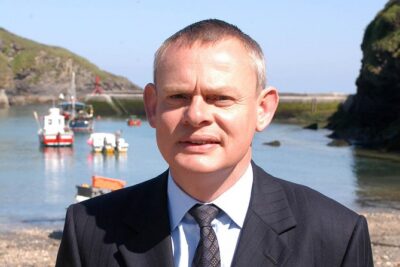
Port Isaac is a shorter visit, about an hour. The fishing village is strongly associated with Doc Martin, and the narrow lanes and harbor provide a pleasant change after the exposed Tintagel headland. Even without following the television series, you get a compact Cornish village stop with time for photos and a short walk.
You then head to Falmouth for two nights. This second two-night base is another practical strength. After a full day along the coast, you do not need to pack again that evening.
Same part of England, a completely different sort of day:
- Doc Martin Tour in Port Isaac, Cornwall
★ 4.5 · 840 reviews - Coasteering Experience in Newquay
★ 5.0 · 465 reviews - Surf Lesson
★ 5.0 · 349 reviews - Falmouth Uncovered Walking Tour (Award Winning)
★ 5.0 · 267 reviews
Day four: the far west of Cornwall

St. Michael’s Mount is a photo stop lasting about 10 minutes. The island setting is striking, but this is not a full visit, and admission is not part of the stop. Treat it as a quick view rather than a chance to walk across the causeway or explore the buildings.
The Minack Theatre is the day’s most unusual attraction. Built into the cliff above the ocean at Porthcurno, it is an open-air performance venue with a dramatic setting. The visit lasts about an hour, and admission is not included.
The important catch is availability. You may be unable to enter the theatre, and your guide will explain the situation during the trip. If it is open and tickets can be arranged, I would make it a priority. The setting is memorable even for people who are not theatre fans, but you should not book this tour solely for a guaranteed Minack visit.
Land’s End comes next, with about 20 minutes. This is a brief viewpoint stop at England’s southwestern tip. The surrounding area also carries reminders of Cornwall’s tin-mining past and has appeared in Poldark.
Twenty minutes is enough to see the main view and take photographs. It is not enough for a long coastal walk, so keep expectations realistic. The day is designed to give you a string of highlights rather than time for extended exploration.
St Ives provides the longest stop of the day, about two hours. Its harbor-side lanes, galleries and art connections give the town a different character from the fishing villages earlier in the trip. You can browse, walk near the water, find a snack or simply enjoy some free time.
I would use St Ives for a balance of sightseeing and rest. After several short stops, two hours gives you room to make your own choices. The town can also be busy in popular periods, so a clear meeting plan matters.
Day five: Bodmin Moor, Glastonbury and the long ride home

You leave Cornwall by way of Bodmin Moor, a broad open area designated as an area of outstanding natural beauty. The stop lasts about an hour, giving you one last look at the wilder side of the county.
The moor is a scenic farewell, but it may feel less dramatic if the weather is poor. Bring a coat that handles wind and rain. This is not the place to rely on a city outfit or thin shoes.
Glastonbury is the final major stop, with around two hours. The town brings together early Christian stories, Arthurian legend and pagan traditions. You can visit the ruins of the seventh-century abbey, stop for lunch or climb Glastonbury Tor for views across five counties.
The choice here is important. The abbey and town are easier options, while the Tor requires more effort and careful timing. I would choose one main goal rather than trying to do everything before the coach departs.
The return to Victoria is a long final journey. That is the clearest weakness in the route, especially after five full days. Still, the scenic stops break up the ride, and you finish with a broad sense of how Devon and Cornwall fit into southern England.
The mini-coach, luggage and daily pace

Transport is by air-conditioned 16-seat Mercedes mini-coach. There are three steps into the vehicle, each about 150mm high, with grab handles and marked, non-slip treads. The coach is not wheelchair accessible, though storage is available for a folding wheelchair or walking frame.
There is no restroom on board. Regular breaks are built into the route, but you should use facilities whenever the group stops rather than waiting for the next opportunity.
The luggage allowance is 20kg per person, made up of one medium suitcase or rucksack and a small personal bag. The stated approximate suitcase size is 55cm by 45cm by 25cm. Pack light, because a small coach is much easier to live with when bags are compact.
The pace is active but not built around long hikes. You will climb at some sites, walk on uneven ground and spend several hours sitting between stops. Most people can participate, but anyone with mobility concerns should assess the coach steps, coastal paths and castle approaches carefully.
Accommodation choices in Exeter and Falmouth

You receive four nights of en-suite accommodation with breakfast, choosing either B&Bs or three-star hotels. You spend two nights in Exeter, or sometimes Torquay, and two nights in Falmouth.
The B&B option can feel more personal and often provides a good local breakfast. The catch is location. B&Bs may be 20 to 30 minutes on foot from pubs and restaurants, and lifts are not generally available.
Hotels tend to be more central, but not always right beside the evening action. Some can still be a 20 to 30-minute walk from facilities. If stairs are difficult, mention this when booking so a ground-floor room or hotel with lift access can be considered.
Accommodation quality can vary more with B&Bs than with a standard hotel chain. One Exeter property has drawn criticism for very small rooms and awkward fittings, while the Greenbank Hotel in Falmouth has been praised for its location, comfortable rooms, dining areas and views. I would choose the hotel option if room size, lift access or central location matters more than a homier setting.
Breakfast is included, but lunches, dinners and snacks are not. Your guides can usually suggest places to eat, and some guides have helped arrange group dinners, but you should budget separately for food.
The driver-guide makes the difference
This tour asks one person to drive, explain the region and keep the group on schedule. That is a demanding job, and the strongest part of the experience is often the guide’s practical skill.
Guides associated with this tour include Carl, John, June, Stuart, David Coatsworth, Dan, Christo, Russ, Kate Needham, Helen Pointer, Nick, Dean, Kevin, Hugh and Samuel. Their approach varies, but the qualities to value are clear: careful driving, useful local advice, stories about folklore and history, and clear instructions about when to return to the coach.
Some guides use maps to show the day’s route and explain what you are seeing between stops. Others help with food suggestions, drop you as close as possible to attractions and adjust around road closures or weather when safety requires it.
A small group can make a big difference. On quiet departures, the tour may run with only two or three people rather than being canceled. That gives you a more relaxed ride, though the social experience depends on the mix of people in your group.
Who should book this five-day tour?
I would choose this tour if you want to see the famous southwest sights without driving. It is also a good fit for solo visitors, couples and first-time visitors who want a guided introduction rather than a self-planned road trip.
You will get the most from it if you enjoy scenic stops, legends, old towns, coastal viewpoints and a changing daily program. Fans of Doc Martin and Poldark will recognize familiar places, but the route works just as well if those shows mean nothing to you.
I would hesitate if you want long walks, slow mornings or detailed visits inside museums and historic buildings. The schedule offers a taste of many places, not full coverage. You also need to accept the long return to London, uncertain access to the Minack Theatre and possible variation in accommodation.
The tour earns its price through convenience, the included Stonehenge and Tintagel admissions, four breakfasts, small-group transport and skilled guiding. Book it if your priority is seeing a great deal of Devon and Cornwall in five days. Skip it if you would rather settle into one coastal town and explore at your own pace.
FAQ
Where does the tour depart from?
It departs from Green Line Coach Station on Bulleid Way, Victoria, London SW1W 9SA.
What time should I arrive?
The departure time is 9:15 am. Check-in closes 15 minutes before departure, and the coach leaves on time.
How many people are in the group?
The maximum group size is 16 passengers, traveling in a 16-seat Mercedes mini-coach.
What accommodation is included?
You receive four nights of en-suite accommodation with breakfast in either B&Bs or three-star hotels. The usual bases are two nights in Exeter or Torquay and two nights in Falmouth.
Are Stonehenge and Tintagel Castle included?
Yes. Admission to Stonehenge and Tintagel Castle is included in the tour price.
Are meals included?
Breakfast is included with the accommodation. Lunches, dinners, refreshments and most other admissions are not included unless specifically stated.
Is the Minack Theatre guaranteed?
No. The visit depends on availability, and you may be unable to enter. The guide will provide an update during the tour.
How much luggage can I bring?
You may bring up to 20kg per person. This consists of one medium suitcase or rucksack, approximately 55cm by 45cm by 25cm, plus a small bag for personal items.
Can children and wheelchair users join?
Children must be at least five years old. The coach is not wheelchair accessible, but storage is available for a folding wheelchair or walking frame. You must be able to board and leave the coach independently or with help from a companion.
Just added around Cornwall
- The Falmouth Ghost Tour (Award Winning)★ 5.0 · 71 reviews
- Falmouth Tour App, Hidden Gems Game and Big Britain Quiz (1 Day Pass) UK★ 4.5 · 3 reviews
- Doc Martin, Fishermans Friends & North Cornwall★ 5.0 · 9 reviews
- Explore North Cornwall on Electric Bikes★ 5.0 · 8 reviews
- Full Day Private Tour of West Cornwall★ 5.0 · 5 reviews
- Quoits, Stone circles and Monoliths on Bodmin Moor★ 5.0 · 4 reviews
- Taster Surfing Lesson in Bude★ 5.0 · 101 reviews
- West Cornwall Tour with Poldark Filming Locations★ 5.0 · 13 reviews
Cornwall Tours, compared.


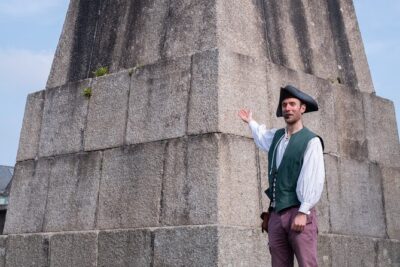
Falmouth Uncovered Walking Tour (Award Winning)
Read our review →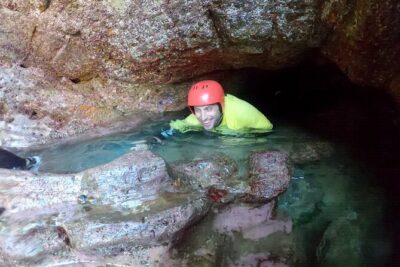


Browse the lists this tour appears in