
Reviewed · BRIGHTON TOURS
Sussex Birdwatching Private Guided Day Tour
Sussex packs an impressive range of bird habitats into one long day. You can move from heathland birds at Old Lodge to wetland species at Pulborough Brooks, coastal birds at Pagham Harbour, and raptors over the South Downs at Burpham. Dartford Warbler, Avocet, White-tailed Eagle, nesting terns, and Corn Bunting are all possible highlights, though sightings depend on season and conditions.
I like the private format, which lets your guide shape the day around your interests rather than march a mixed group from one viewpoint to the next. I also like the practical skill on offer: guides such as David Campbell and Atticus are praised for picking up faint calls, spotting distant birds, and setting up a scope when a bird settles far away.
The main drawback is the pace. Four sites in roughly 10 hours means a full day in the field, with plenty of time outdoors and likely travel between habitats. If you prefer a gentle walk at one reserve, ask about a shorter or more focused plan before booking.
At a glance: what makes this Sussex bird tour useful

- Four very different bird habitats: heath, floodplain, harbour, and open downland give you a broad sample of Sussex wildlife.
- Private guiding for up to four people: your group travels and birdwatches together, with no strangers joining you.
- Seasonal target species: summer may bring Little Ringed Plover, Avocet, and breeding terns, while winter can produce large numbers of Pintail and Wigeon.
- Strong field skills: David, Dave, and Atticus are noted for sharp hearing, careful scanning, patient scope work, and good species identification.
- Pickup is offered: this is useful if you are based in Brighton or arranging a day around airport travel.
- Good value for a small group: the price is $329.10 per group, not per person, for up to four people and about 10 hours.
Four Sussex habitats in one well-filled day
This is not a single-reserve walk with a fixed loop. The appeal is the change of habitat. Each stop gives you a different set of birds and a different way of watching them.
The day begins at Old Lodge Nature Reserve, then continues to Pulborough Brooks RSPB, Pagham Harbour Local Nature Reserve, and Burpham. The planned time adds up to the full 10 hours: three hours at Old Lodge, two at Pulborough Brooks, two at Pagham Harbour, and three at Burpham.
That spread is useful if you want to see how birdlife changes across Sussex. It also means you should arrive ready for a long outdoor day. Wear footwear and clothing suited to changing ground and weather, and do not expect every stop to produce the same number of birds.
A few more Brighton days out to weigh up
- Seven Sisters & South Downs Tour with Train Tickets Included
★ 5.0 · 672 reviews - SEA LIFE Brighton Admission Ticket
★ 4.0 · 468 reviews - Brighton Bar Crawl
★ 5.0 · 377 reviews
Old Lodge: heathland species and patient listening
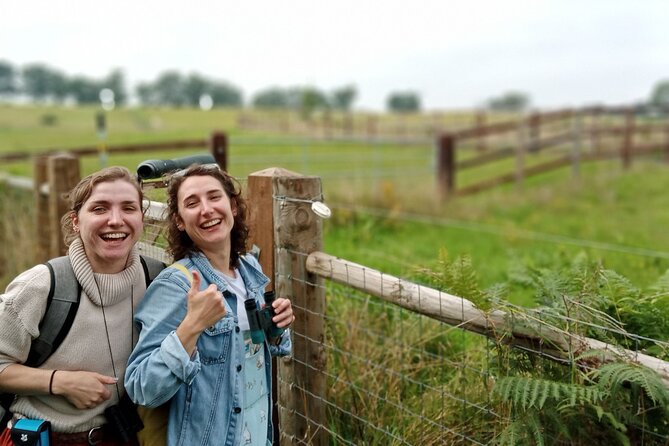
The three-hour visit to Old Lodge is the longest stop, and that makes sense. Heathland birds can be elusive. You may hear a call before you see the bird, and a guide with a strong ear can make a real difference.
The reserve is known for specialised species including Dartford Warbler, Woodlark, Lesser Spotted Woodpecker, Tree Pipit, and Cuckoo. These are not all guaranteed sightings, and the time of year matters, but the habitat gives the guide several worthwhile targets.
I would pay close attention to the first few minutes here. One guide, Atticus, is praised for alerting the group to bird songs right at the start of a walk. That is useful for beginners, who may otherwise hear only a wall of birdsong, and for experienced birders trying to add a new call to their memory.
Three hours allows time to stop, listen, scan, and wait. That patient rhythm is better suited to Old Lodge than a quick circuit. The tradeoff is that this may feel slow if your main goal is to collect a long list of easy-to-see species. The reward is the chance to work for birds that need careful observation.
Pulborough Brooks: floodplain birds and seasonal variety
Pulborough Brooks RSPB lies on the River Arun floodplain and brings a different set of conditions. Here, the focus shifts toward wetland and woodland species.
Summer can be a good time to look for Little Ringed Plover and Avocet. Winter changes the character of the reserve, with Pintail, Wigeon, and other wildfowl gathering in larger numbers. Treecreeper is possible throughout the year, adding a woodland target to the wetland list.
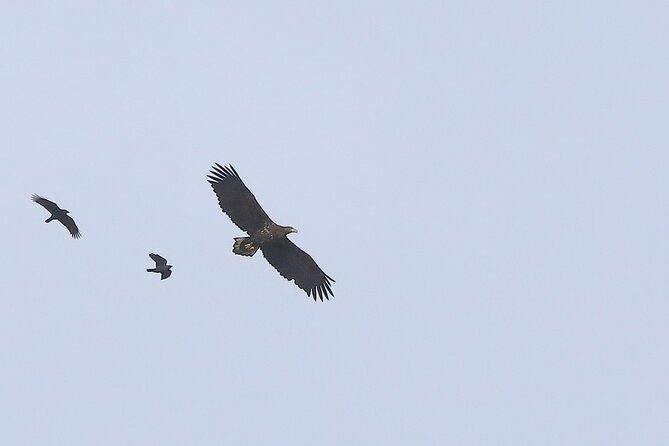
The site is also regularly visited by White-tailed Eagles. That does not mean you will see one on every visit, but the possibility adds a memorable high point to a stop that already has plenty to look for.
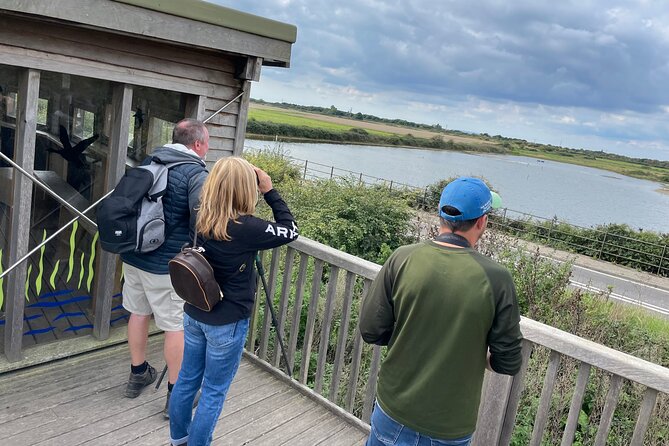
The two-hour visit is long enough for a useful circuit or a focused session at suitable viewing points, though you will not have time to explore every corner. Your guide’s scope work matters here. One guide is described as patient and unrushed when setting up a scope for distant birds, which is exactly the approach you want when a bird is visible but too far away for comfortable viewing through binoculars.
Pulborough Brooks may be the easiest stop for a mixed group because wetland reserves often offer a good range of birds without requiring every person to identify faint calls in dense cover. Still, the day is not designed as a quick sightseeing stop. You will spend time looking carefully.
Pagham Harbour: waders, wildfowl, and summer terns
Pagham Harbour Local Nature Reserve brings the coast into the day. This natural harbour supports wading birds and wildfowl, while migrating passerines can appear during passage periods. Seabirds may be seen off the beach.
Summer has a special draw: nesting terns can put on a striking display. Again, the season controls what is available, so this stop changes quite a bit across the year. A summer visit may focus on terns and breeding birds, while another date may offer a different mix of waders, wildfowl, migrants, and seabirds.
The two-hour slot gives you enough time to slow down around the harbour and scan open water and shore areas. It is also a useful contrast with Old Lodge. At Old Lodge, you may listen into scrub and heath. At Pagham, you can search wider views and watch bird movement across the harbour or along the beach.
The possible weakness is simple: coastal birdwatching is exposed to weather. Wind or poor visibility can affect comfort and sightings. The operator states that the experience requires good weather, so a poor-weather cancellation may lead to a new date or a full refund.
Same part of England, a completely different sort of day:
- The Brighton story – walking tour
★ 5.0 · 251 reviews - Fun, Flexible Treasure Hunt Around Brighton with Cryptic Clues & Hidden Gems
★ 5.0 · 154 reviews - City Sightseeing Brighton Hop-On Hop-Off Bus Tour
★ 4.5 · 152 reviews - The Hunt: Team Activity in Brighton, Sussex
★ 5.0 · 149 reviews
Burpham: open downland and birds of prey
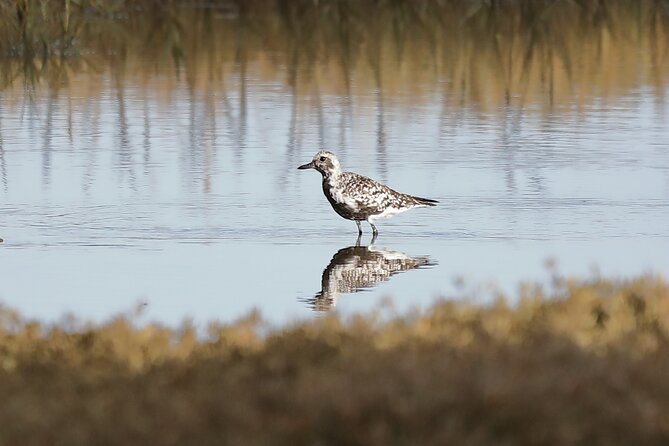
The final three-hour stop is Burpham, a scenic area of open downland. The broad views suit birds of prey, while the farmland supports less common species such as Grey Partridge and Corn Bunting.
This is a strong finish because it shifts the focus from water and cover to the open sky and field edges. Raptors may be easier to spot when they are flying over open ground, but that never makes a sighting certain. You may spend part of the time scanning slowly and waiting for movement.
Grey Partridge and Corn Bunting add another reason to take this stop seriously. They are not simply filler species on the way home. They represent farmland birds that can be difficult to find, and your guide can help you distinguish calls and flight patterns.
Burpham is free to enter, unlike the first three stops, where admission is included in the tour price. That does not make it less valuable. The guide’s ability to choose where to look and how long to wait is the main benefit here.
Why the private guide matters
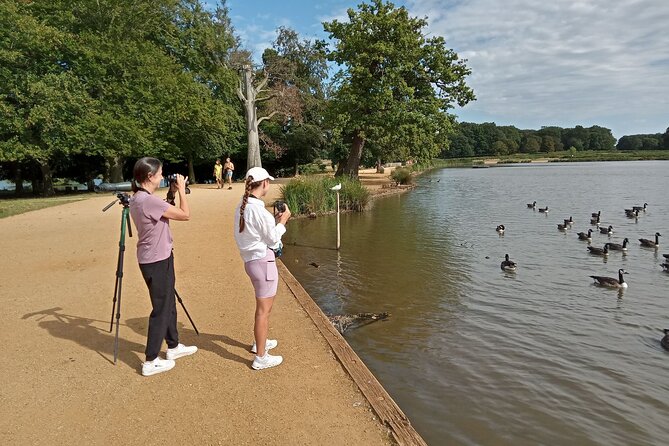
A private birdwatching day is only as good as the person leading it. The strongest praise for Wildstarts centers on field awareness, careful pacing, and the ability to tailor the day.
David Campbell is described as an expert birder with an exceptional ear. He has built custom days around specific target birds and adjusted plans to suit short airport layovers. Dave is used as a shorter name in some accounts, so you should confirm which guide is assigned to your booking.
Atticus is also named as a guide. He is described as patient, attentive to different abilities, and skilled at setting up a scope for birds at a distance. That combination matters. A guide who finds birds but rushes the group can make the day tiring. A guide who explains what to listen for and gives you time to look makes the experience useful even when a target bird stays hidden.
The format also suits different skill levels. Beginners can ask basic questions without worrying about slowing a larger group. Experienced birders can request target species and spend more time on identification details. The private setup gives you room to say what you want.
Price, pickup, and the value of a ten-hour day

The listed price is $329.10 per group of up to four people. For one person, that is a fairly large outlay. For four people sharing the cost, it works out to about $82.28 each before any personal food or other costs.
The value comes from the length and private transport arrangement, not just admission. You receive about 10 hours with a guide and access to three sites where admission is included. Pickup is offered, which can remove the hassle of planning separate transport between Brighton and several reserves.
The day can also work well for a short visit to southern England. One past booking involved a Gatwick layover, with the guide collecting the client from a hotel and arranging a target-focused day. That does not mean every airport transfer is included, so confirm your pickup point before booking.
A private day also avoids paying separate per-person prices for four people in a standard group. If you are a couple, a family, or a small birding club, the group rate becomes more attractive. If you are alone and only have a few hours, ask about a shorter custom outing before committing to the full-day price.
Food is not listed as included. One past full-day outing included a pub lunch, but you should not treat that as part of the stated package. Ask about meal timing, or plan to carry what you need.
Who should book this experience
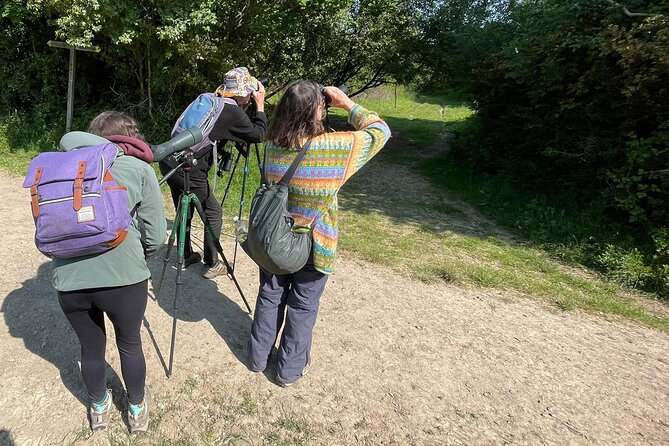
I would recommend this tour to a small group that wants more than a casual walk with binoculars. It suits people who want to learn calls, improve identification, and search for particular birds across several habitats.
It is especially useful for:
- Birders visiting Sussex for the first time
- Small families introducing children or grandchildren to birdwatching
- Experienced birders with specific target species
- People using a short Gatwick-area stay for a day outdoors
- Couples or friends who prefer a private guide
- Anyone who values local transport and a planned route
You do not need to be an expert. Most people can take part, and the private format lets the guide adjust the pace. Still, the day involves extended outdoor time, so it is best for people comfortable with a full schedule and changing weather.
If your group includes people with very different walking abilities, say so before booking. The guide can be conscious of the group’s capabilities, but the supplied details do not specify walking distances, terrain, or formal accessibility arrangements.
Seasonal targets to keep in mind
There is no single best month for every bird on this route. Your target list should guide the date.
In summer, focus on Little Ringed Plover and Avocet at Pulborough Brooks, nesting terns at Pagham Harbour, and heathland species at Old Lodge. Burpham may offer farmland birds and birds of prey over the downland.
Winter brings stronger wetland interest at Pulborough Brooks, especially Pintail, Wigeon, and other wildfowl. The mix at Pagham Harbour also changes with migration and coastal conditions.
Year-round possibilities include Treecreeper at Pulborough Brooks and a range of birds across all four sites. Cuckoo, Tree Pipit, and other breeding or migrant species are more seasonal.
The right approach is to tell Wildstarts your priorities before the day. The guides have arranged tailored outings around target birds before, and the route can be more useful when your main goals are clear.
Practical details before you reserve
The experience is offered in English and operates daily from 8:00 a.m. to 5:00 p.m. The listed activity runs from February 15, 2023, through December 7, 2026, subject to availability.
Confirmation is sent within 48 hours of booking, subject to availability. Service animals are allowed, and the experience is near public transportation. Pickup is offered, but the exact pickup area should be confirmed.
You can cancel for a full refund up to 24 hours before the local start time. Cancellations or changes made less than 24 hours ahead are not accepted for a refund. Since good weather is required, a weather cancellation gives you the choice of another date or a full refund.
Bring binoculars if you have them, dress for outdoor conditions, and keep your expectations flexible. Even a highly skilled guide cannot order a Dartford Warbler or White-tailed Eagle into view. The best day combines target species with the pleasure of learning how to find birds you might otherwise miss.
Should you book the Sussex Birdwatching Private Guided Day Tour?
Book it if you want a serious, personal day of birdwatching and like the idea of moving through four habitats with a guide who can tailor the search. The $329.10 group price is strongest for two to four people, and pickup plus included admission makes the long day easier to arrange.
Think twice if you want a short, relaxed nature walk or if your group dislikes early starts, long outdoor hours, and patient waiting. For everyone else, this is a well-shaped way to see Sussex through its birds, with a real chance of finding species that are hard to locate without a sharp ear, a good scope, and local field experience.
FAQ
How long does the Sussex birdwatching tour last?
The experience lasts approximately 10 hours, with three hours at Old Lodge, two hours at Pulborough Brooks, two hours at Pagham Harbour, and three hours at Burpham.
How many people can join the private tour?
The price covers one private group of up to four people. Only your group participates.
What birds might I see?
Possible species include Dartford Warbler, Woodlark, Lesser Spotted Woodpecker, Tree Pipit, Cuckoo, Little Ringed Plover, Avocet, White-tailed Eagle, Pintail, Wigeon, Treecreeper, Grey Partridge, and Corn Bunting. Sightings depend on season and weather.
Is pickup available?
Yes, pickup is offered. Confirm the exact pickup point when booking, especially if you are arranging the day around Brighton or an airport-area stay.
Is admission included?
Admission is included at Old Lodge Nature Reserve, Pulborough Brooks RSPB, and Pagham Harbour Local Nature Reserve. Burpham has no admission charge.
Can I cancel for a refund?
You can cancel up to 24 hours before the experience start time for a full refund. If poor weather causes the operator to cancel, you will be offered another date or a full refund.
Just added around Brighton
- Heathrow Airport to Brighton private taxi transfers★ 5.0 · 12 reviews
- Fully Guided History Tour of The City of Brighton★ 5.0 · 5 reviews
- Handcrafted Donuts & Tea: Brighton’s Artisan Sweet Treat Tour★ 5.0 · 127 reviews
- Ultimate Shooting Taster Session in Brighton★ 5.0 · 33 reviews
- The Hunt: Team Activity in Brighton, Sussex★ 5.0 · 149 reviews
- The Brighton Food and Beer Walking Tour Min 8 people★ 5.0 · 8 reviews
- Skate + i360 Journey★ 5.0 · 6 reviews
- Vineyard & Cheesemaker Bus Tour of Sussex★ 5.0 · 8 reviews
Brighton Tours, compared.
Seven Sisters & South Downs Tour with Train Tickets Included
Read our review →

Fun, Flexible Treasure Hunt Around Brighton with Cryptic Clues & Hidden Gems
Read our review →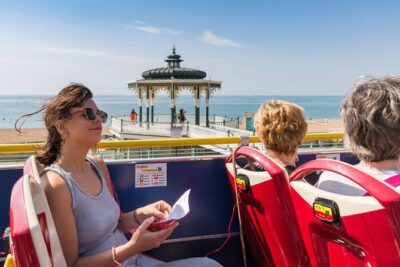
City Sightseeing Brighton Hop-On Hop-Off Bus Tour
Read our review →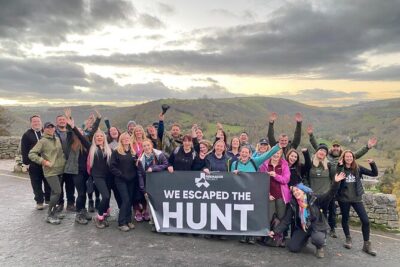

Handcrafted Donuts & Tea: Brighton’s Artisan Sweet Treat Tour
Read our review →Browse the lists this tour appears in