
Reviewed · KAYAKING TOURS
Guided Wildlife and Sea Cave Kayak Safari in English Riviera
The best part of this English Riviera kayak safari is the access. A kayak slips into sea caves and narrow coastal corners that a larger boat must pass by. You paddle beneath Devon’s cliffs, around rock formations, and into quiet coves, then land on a beach for fossils, a wild marine herb tasting, and marshmallows over a fire.
I like the mix of adventure and hands-on learning. Guide Kieran brings the coast to life with geology, wildlife, and local knowledge, while the beach stop gives you a proper break from paddling. I also like that beginners get training and a sturdy tandem kayak, rather than being expected to arrive with sea-kayaking skills.
The main caution is simple: you can get wet, and wildlife is not guaranteed. Sea conditions may also change the route, including access to some caves. Bring spare clothes, accept that the water makes the decisions, and you’ll be set up for a fine three hours.
Key points to know before you paddle
- Sea caves are the main event: Kayaks can reach coastal spaces that larger boats cannot.
- Kieran leads the trip: Expect patient instruction and useful explanations about geology, wildlife, and the Devon coast.
- The beach stop is hands-on: You may search for Devonian fossils, taste a foraged marine herb, and toast marshmallows over a campfire.
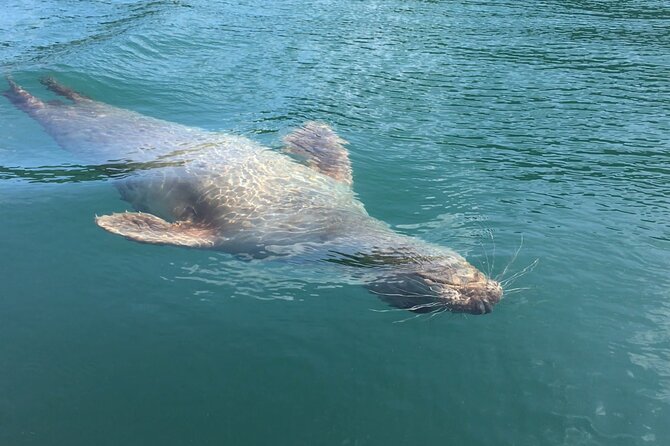
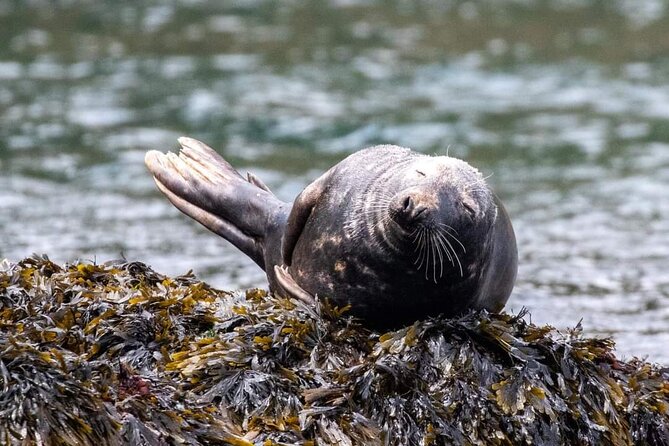
- Wildlife sightings vary: Seals, seabirds, and resident cetaceans live around South Devon, but no sighting is promised.
- Tandem kayaks help beginners: You receive training, and technical clothing and safety equipment are available when needed.
- The practical details matter: The tour starts at 10:00 a.m. from Oddicombe Beach, lasts about three hours, and returns to the same place.
Why this Devon kayak trip feels different from a boat ride
A standard boat tour gives you a wider view of the coast. This trip gives you a closer one. You move at paddle speed, close enough to study rock faces, enter sea caves when conditions allow, and reach small coves that are not part of a normal coastal cruise.
That slower pace is the point. You are not simply sitting back while the scenery passes. You help move the kayak, learn how to handle it, and pay attention to the water around you. The result is a more active outing, but not an extreme one.
The setting is the English Riviera UNESCO Global Geopark. That status reflects the importance of the area’s geology, and the trip makes practical use of it. You are not hearing a generic talk about cliffs. You are looking at the rock formations from sea level, then stopping to search for fossils connected to Devon’s ancient past.
The trip also adds a bushcraft element. A secluded beach becomes a place to look for tube worm and coral fossils, taste a wild marine herb, and build a beach fire for marshmallows. These details give the morning a pleasant sense of discovery. You are doing more than paddling from one viewpoint to another.
More kayaking and paddleboarding in Devon:
- Half Day Sea kayak Guided Tour
★ 5.0 · 15 reviews - Sea Kayak Lesson & Tour in Newquay
★ 5.0 · 189 reviews - Bristol Paddleboarding Tour
★ 5.0 · 92 reviews
Starting at Oddicombe Beach at 10:00 a.m.
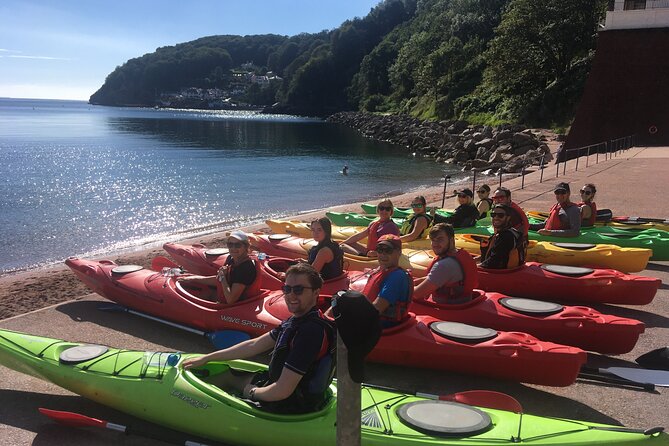
You meet at Oddicombe Beach Shop on Babbacombe Downs Road, Torquay, at 10:00 a.m. The activity finishes back at the same meeting point, which keeps the morning easy to plan if you are staying in the Torquay area or using nearby public transport.
Allow a few minutes to get ready before the water work begins. The exact amount of clothing you need depends on the season and the weather. Summer conditions may suit shorts and a sports top, while cooler spring and autumn days call for active walking clothes or waterproof trousers if you have them.
You should bring water and snacks. The beach fire includes marshmallows, but that is not a replacement for a proper drink or something more filling if you tend to get hungry during exercise.
The operator supplies technical clothing when required. You may also have access to dry bags, waterproof phone cases, kayak skirts, and foul weather gear. Even so, pack spare clothes. Paddling a sea kayak often means splashes, wet hands, and the odd wave finding its way into places you thought were dry.
A swimsuit is useful if you want to swim during the break. Swimming is optional, so you can stay on the beach and enjoy the fire and fossil search without getting into the water.
Getting comfortable in a tandem sea kayak
You do not need previous kayaking experience. The trip includes basic training, and the tandem boats provide a stable way for two people to work together. A basic level of physical ability is still needed, since you will paddle for much of the three hours.
Knowing how to ride a bicycle is listed as helpful. That may sound like an odd comparison, but it points to the need for balance, coordination, and cooperation. In a tandem kayak, both people need to follow instructions and find a shared rhythm.
The guide can adjust the outing to suit the group. That matters because a mixed group may include complete beginners alongside fitter paddlers. The aim is not to race along the coast. It is to keep the group together, stay safe, and make the most of the caves and wildlife opportunities.
You will use a kayak skirt and receive guidance on how to handle the boat. The trip is active, but the tone is supportive rather than competitive. Kieran is especially praised for patience when helping people learn, which should reassure anyone who feels nervous about their first sea-kayaking session.
Children under 15 must be accompanied by an adult, with one adult required for each child under 15. This rule is firm. The maximum group size is 24 people, so the experience may feel social rather than private, especially on a full departure.
Paddling through caves and around the Devon coast
Once you are on the water, the route takes you along the English Riviera coastline. You may paddle through sea caves, around striking rock formations, and into remote coves. These sections provide the strongest reason to choose a kayak instead of a larger boat.
The caves are exciting because you approach them under your own power. The experience is more immediate than looking into a cave from a passing vessel. You will need to listen carefully to the guide, keep control of your kayak, and accept that the route may change if the tide or sea state makes an entrance unsafe.
One outing took place during an unusually high tide, making some caves too risky at first. Rather than forcing the issue, Kieran returned later when conditions had improved. That is a useful example of how the trip works in practice. The guide may change the order, skip a section, or try again later, but the priority is safe paddling rather than ticking off every cave.
You might find that the water inside a cave is calmer than outside, or you may encounter a tighter passage that demands more careful steering. The exact experience depends on the day’s tide, wind, and swell. This is not a fixed sightseeing ride with a guaranteed sequence of stops.
The rock formations also give the guide a natural way to explain local geology. Kieran’s interest in the coast is a major part of the appeal. You can expect information about the shoreline, its wildlife, and its geological story rather than silence between paddling instructions.
A few more Devon days out to weigh up
- Scroby Sands Seal Watching
★ 5.0 · 162 reviews - 2-Hour Alpaca Farm Experience in Kenilworth
★ 4.5 · 14 reviews - Lincolnshire: ARK Wildlife and Dinosaur Park Entry Ticket
★ 4.2 · 3 reviews
Looking for seals, seabirds, and other wildlife
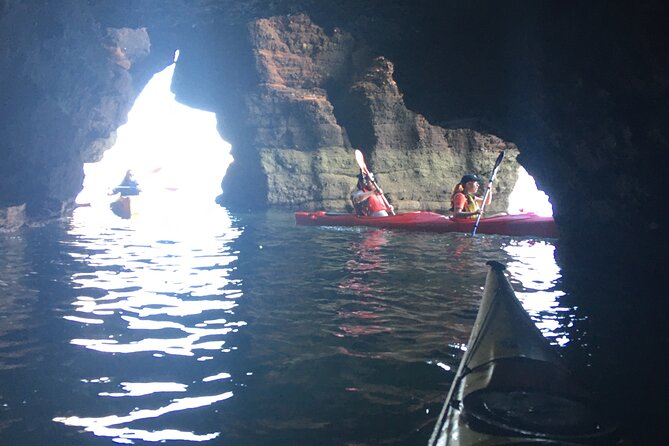
South Devon has active seal populations and resident cetaceans that move around the coast. Seals may be seen fishing or resting at favorite haul-out spots passed by the kayaks. The low position of a kayak can offer a good viewing angle, but you must keep a respectful distance and follow the guide’s directions.
Wildlife is a welcome possibility, not the product you are guaranteed to receive. Some outings have included seals, while others have produced little marine life. High tides, weather, timing, and animal behavior all play a part.
Birdlife can be rewarding even when seals stay away. Peregrine falcons and cormorants have been spotted along the coast, along with a broader range of seabirds. Keep your eyes on the cliffs and rocks as well as the water.
This uncertainty is worth understanding before you book. If you need a guaranteed animal encounter, choose a dedicated wildlife facility instead. If you enjoy being outside and appreciate the chance to see wild creatures in their own setting, the kayak offers a good balance of hope and realism.
Fossils, wild food, and marshmallows on the beach
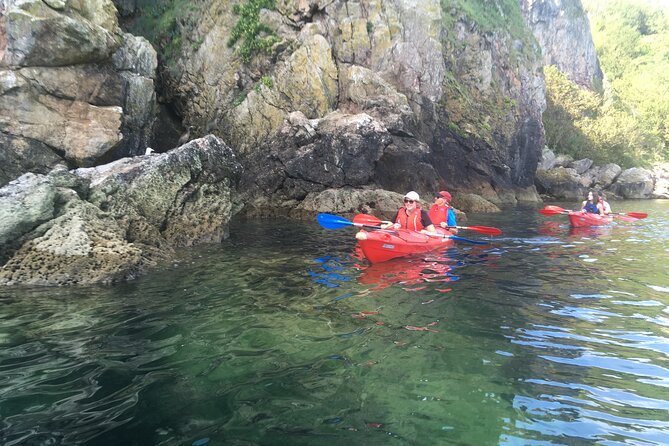
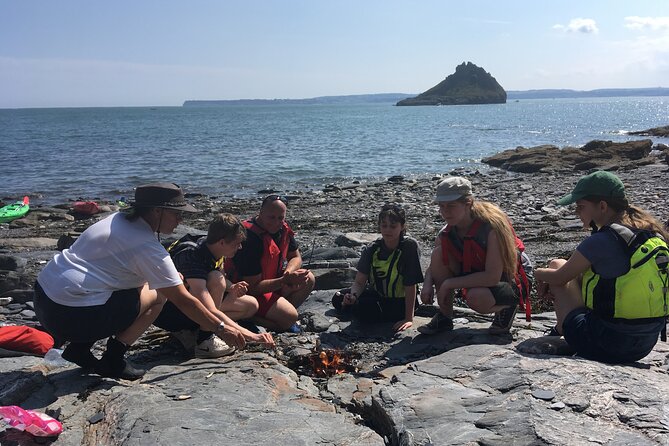
The beach stop gives the morning its most memorable change of pace. After paddling, you land on a secluded beach and have time to explore on foot.
The fossil search is not just a quick photo opportunity. Devon’s geology includes fossils such as ancient tube worms and coral, and the guide can show you what to look for. You may not find a dramatic specimen, but the search helps you read the shore with more care.
You also get to taste a wild-foraged marine herb. This is a small detail, but it adds a useful connection to the coast. You are learning about what grows there, not only what swims or flies nearby. Follow the guide’s instructions and do not collect or taste anything independently.
Then comes the campfire and marshmallows. It is a simple pleasure, especially after a morning of paddling. The fire gives you a warm pause, a chance to chat, and something that works well for children and adults alike.
You can swim during the stop if conditions and your own comfort allow. It is entirely optional. I would bring a towel and dry clothes if you plan to take advantage of the water, and I would still pack them if you do not. Kayaking itself can leave you damp.
What the $76.39 price buys you
At $76.39 per person, this is not the cheapest way to see the Devon coast. It is also more than a short equipment rental, because the price includes a guide, instruction, a planned coastal route, safety equipment, and the beach activities.
The value comes from the range of the morning. In three hours, you may kayak through caves, learn about the UNESCO Global Geopark, look for fossils, taste a marine plant, watch for seals and seabirds, and sit around a beach fire. If you tried to arrange those parts separately, you would need equipment, local route knowledge, and a safe way to reach the same coastline.
The price makes the most sense if you want an active outing with a strong local angle. It makes less sense if you only want a calm view from the water or dislike getting wet. A boat cruise may suit you better if paddling sounds like work.
The 4.9 rating from 121 ratings and the 98 percent recommendation figure suggest a consistently well-received experience, but you should still read those numbers in context. Much depends on the weather, the group, your fitness, and the wildlife luck on your particular morning.
Who should book this experience?
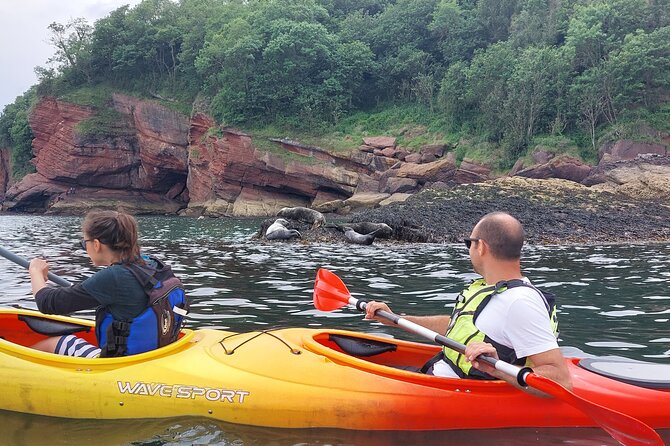
I would recommend it to couples, families with older children, and friends who want something more engaging than a standard sightseeing trip. It is also a good choice for first-time kayakers who like the idea of learning as they go.
The trip suits you especially well if you enjoy:
- Active outdoor experiences without a full-day commitment
- Coastal geology and fossil hunting
- Wildlife watching with no guarantee of sightings
- Small, practical bushcraft touches
- A guide-led experience rather than finding your own route
You should think twice if you have a very low tolerance for splashes, balancing, or changing plans. A basic level of physical ability is required, and the sea decides which caves are safe. The tour is not presented as a strenuous expedition, but it is still three hours of outdoor activity.
Families need to plan carefully around the under-15 rule. Each child below that age must have one adult with them. Teenagers aged 15 and over may find the trip a particularly good fit, especially if they enjoy wildlife, caves, and a bit of physical challenge.
Weather, cancellation, and planning the morning
The experience requires suitable weather. If poor conditions force a cancellation, you can choose another date or receive a full refund. If the minimum number of participants is not reached, the same options apply.
You can cancel for a full refund up to 24 hours before the start time. Changes or cancellations inside that window are not accepted for a refund, so check your plans before the cut-off.
Because the trip begins at 10:00 a.m. and returns to Oddicombe Beach, you can fit it into a wider Torquay day. I would avoid booking a tight afternoon commitment, though. Sea conditions, loading, and the pace of a mixed group can affect the finish.
The practical packing list is short:
- Water and snacks
- Swimwear if you may swim
- Spare clothes
- A towel if you want to enter the water
- Warm active clothing in cooler months
- Waterproof trousers if you have them
- A willingness to leave your phone in its waterproof case
The operator can provide technical clothing, but your own spare layers will make the return journey more comfortable.
Should you book the English Riviera kayak safari?
Book it if you want to meet the Devon coast at water level, enter sea caves when conditions allow, and learn about the area while doing something active. The blend of paddling, fossils, wildlife, wild food, and marshmallows is unusually varied for a three-hour trip.
I would be most inclined to book when Kieran is leading, since his patient instruction, local knowledge, and flexible approach are central to the experience. Go in expecting a well-run outdoor adventure, not a guaranteed seal show or a perfectly fixed route.
For a first sea-kayaking outing, this offers a sensible introduction. You get training, a tandem boat, safety equipment, and a guide who can adjust the pace. Just bring spare clothes, allow for changing sea conditions, and judge the value by the whole morning rather than by the number of animals you happen to see.
FAQ
Where does the kayak safari start?
It starts at Oddicombe Beach Shop, Babbacombe Downs Road, Torquay, Devon, TQ1 3LB.
What time does the activity begin?
The start time is 10:00 a.m.
How long does the experience last?
The kayak safari lasts approximately three hours and ends back at the meeting point.
Do I need previous kayaking experience?
No. The trip includes basic training and uses sturdy tandem sea kayaks. A basic level of physical ability is required, and knowing how to ride a bicycle is considered helpful.
Can children join the tour?
Yes, but each child under 15 must be accompanied by one adult. This is a one-adult-per-child rule.
Will I definitely see seals or other wildlife?
No. Seals, seabirds, and resident cetaceans may be seen around South Devon, but sightings depend on conditions and animal behavior.
What happens if bad weather cancels the tour?
You will be offered a different date or experience, or a full refund. You can also cancel up to 24 hours before the start time for a full refund.
Just added around Devon
- Wine Tasting Experience in Torquay★ 5.0 · 5 reviews
- Walking Tour of Exmouth in East Devon★ 5.0 · 12 reviews
- Wooden Duck Painting or Pottery Painting-Take item home same day★ 5.0 · 44 reviews
- Ilfracombe Seafront History Walking Guided Tour★ 5.0 · 18 reviews
- Gliding Experience in Devon★ 5.0 · 4 reviews
- Half Day Sea kayak Guided Tour★ 5.0 · 15 reviews
- Ilfracombe Harbour Ghost Tour★ 5.0 · 75 reviews
- The Fawlty Tours walking experience★ 5.0 · 42 reviews
Kayaking Tours, compared.
Stand-up Paddleboard SUP Safari on The River Avon For Beginners
Read our review →
1:1 Private Paddleboarding Tour For Beginners on The River Avon
Read our review →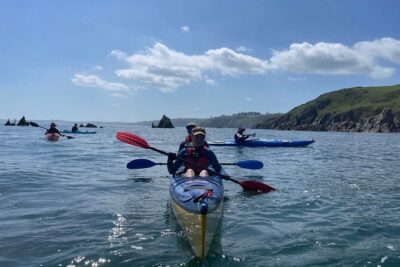
Stand up Paddleboarding on the beautiful Thames at Richmond
Read our review →Browse the lists this tour appears in