
Reviewed · STONEHENGE TOURS
Stonehenge, Avebury & the Cotswolds from Bath (Small group)
Stonehenge is only the beginning here. This nine-hour small-group tour links Britain’s most famous prehistoric monument with Avebury, a Tudor abbey village, and two photogenic Cotswolds stops. I like the early Stonehenge arrival, which helps you see the stones before the crowds build, and the chance to walk freely among Avebury’s stones instead of viewing them from behind a barrier.
I also like the way the day mixes major sights with quiet villages. Guides such as Andy, Sean, Kevin, Jerry, and Bill add local stories, humor, and practical help, while still giving you time to explore alone. The catch is the pace: four main stops and several roadside views make this a full day, and Stonehenge admission costs an extra £23 per person.
Key points to know before booking
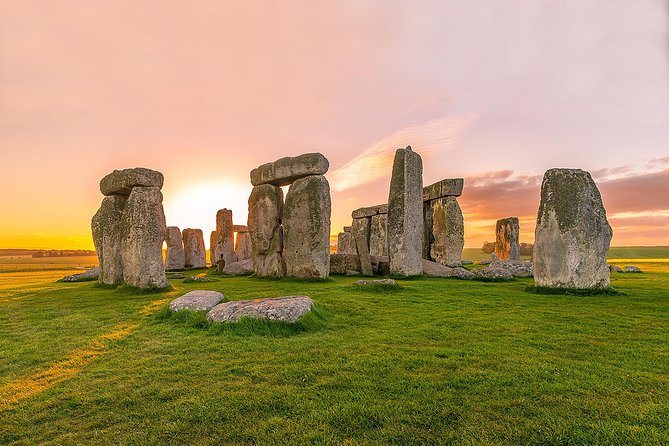
- Stonehenge comes first: Arriving early is one of the tour’s smartest choices, since crowds grow as the morning goes on.
- Avebury feels more open: You can walk among the stones, explore the village, and try dowsing rather than follow a fixed viewing route.
- The group is capped at 15: A small vehicle can reach villages and roads that are less practical for a large coach.
- Lacock is your lunch stop: You can buy food locally, but a picnic helps you keep the day moving and leaves more time for exploring.
- Stonehenge costs extra: The tour price is listed at $90.15, but you must pay £23 for admission on the day.
- This is a highlights day: You see a lot of southwest England, but no stop allows enough time for a leisurely, in-depth visit.
Why this Bath day trip works so well
From Bath, several of the area’s best sights are spread across Wiltshire and the Cotswolds. Public transport would make this combination awkward, with changes, limited village service, and careful timing required. A tour takes care of the driving and lets you look out the window as the countryside passes.
The small-group format matters. With a maximum of 15 people, the vehicle is more personal than a large sightseeing coach, and the guide can provide commentary throughout the day. Past guides have included Andy, Sean, Kevin, Jerry, Bill, Rick, and others from the local team. The exact guide depends on the departure date, but the style is consistent: local facts, cultural details, humor, and time for you to wander without being attached to the group every minute.
The strongest part of the experience is its pacing. You do not spend the whole day sitting in the vehicle, but the stops are short enough to keep the itinerary moving. Most of the praise centers on having enough time at each place without feeling hurried. That is the balance you want on a day that covers this much ground.
Still, this is not the tour for slow travel. You will be away from Bath for about nine hours, and the sites are not close together. If you want to spend half a day at Stonehenge or browse every shop in a Cotswolds village, choose a more focused outing.
A few more Stonehenge days out to weigh up
- Stonehenge, Windsor Castle, and Bath from London
★ 4.5 · 18,662 reviews - Stonehenge, Windsor Castle and Bath with Pub Lunch in Lacock
★ 4.5 · 7,402 reviews - Stonehenge, Windsor Castle and Bath Full Day Guided Tour
★ 4.5 · 5,346 reviews
Stonehenge before the crowds arrive

The day begins at 8:15 a.m. at 1 N Parade in Bath. The first major stop is Stonehenge, where the tour aims to arrive early. This is a real advantage. The stones become harder to appreciate when the viewing route fills with people, and the morning arrival gives you a quieter first look.
Your entrance tickets are reserved and collected by the Mad Max guide to reduce queuing. The admission charge is not included, however. You should carry a debit or credit card to pay the £23 Stonehenge entrance cost on the day. That means the advertised tour price of $90.15 does not represent your full cost for the day.
Stonehenge itself is experienced through a set route around the monument, with an audio guide and information at the visitor center. You have about 1 hour and 40 minutes here, including time for the displays, café, and gift shop. That is a sensible amount of time for a first visit, especially if you want to see the stones, listen to the explanations, and stop for a drink.
The visitor center helps put the monument in context, while the stones provide the moment most people came for. The site’s purpose remains uncertain, and that mystery is part of its pull. Your guide adds background before or after the visit, then you are free to take in the monument at your own speed.
One practical point: Stonehenge is not a quick roadside photo stop. You need time to reach the monument area, follow the visitor route, and return to the vehicle. Wear shoes suitable for walking and keep your timing in mind. If you linger too long at the café or shop, you will cut into your time with the stones.
Avebury lets you walk among the stones
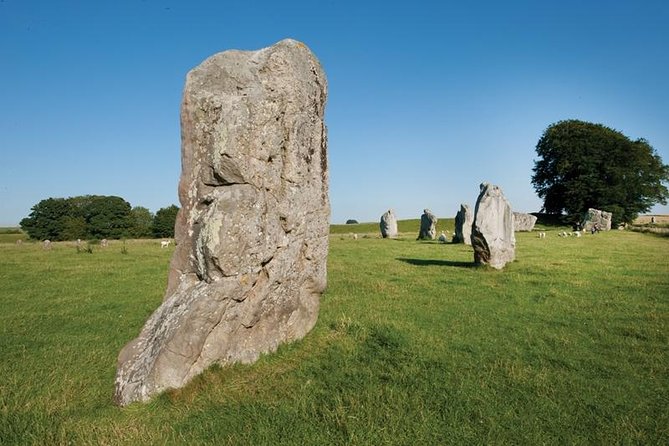
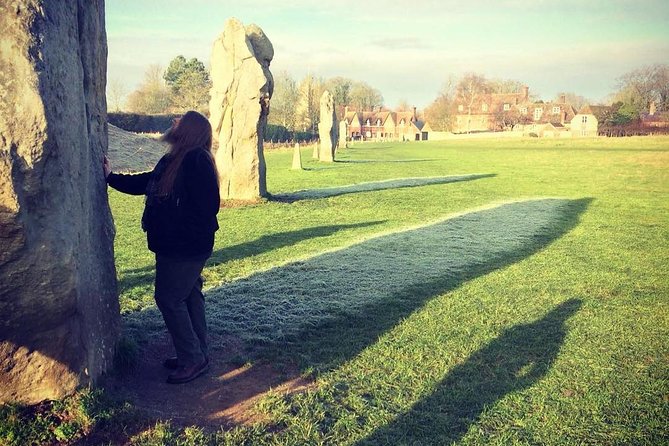
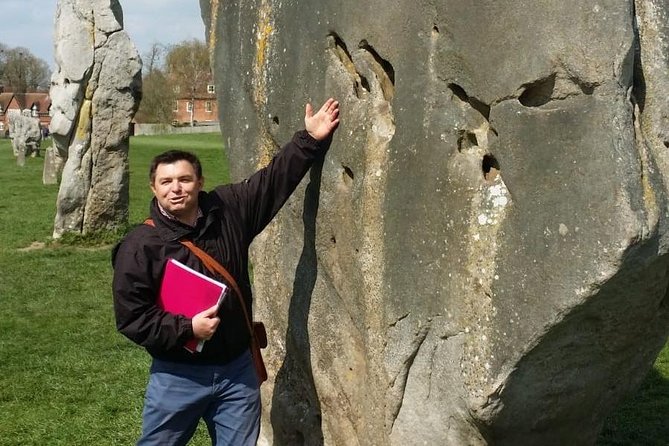
Avebury offers a sharp contrast to Stonehenge. Here, you can walk freely among the stones of the enormous prehistoric circle. There is no single formal viewing route that keeps you at a distance, so the site feels more open and immediate.
The circle is vast, and you have about an hour for the stop. You can explore part of the monument, stroll through the village, and see the 17th-century thatched pub. Some people also try dowsing, an old practice associated with sensing underground water or energy. You do not need to take it seriously to enjoy the playful side of the stop.
Avebury is often the surprise of the day. Stonehenge is more famous and more formally presented, but Avebury gives you a better sense of how the stones relate to the surrounding village and fields. You are walking through a living place rather than simply arriving at a fenced archaeological site.
The limitation is time. An hour is enough for an introduction, not a full circuit at a relaxed pace. If you want to walk the entire henge, you may need to choose between the long walk and the village. One person can cover more ground by walking briskly, but this is not the moment for a slow pub lunch.
Silbury Hill and the Cherhill White Horse
After Avebury, the tour makes short photo stops at Silbury Hill and the Cherhill White Horse and Monument. These are not extended visits, so think of them as visual punctuation between the larger stops.
Silbury Hill is described as the largest human-made object in prehistoric Europe. Built roughly 4,800 years ago, it took longer to construct than Stonehenge, yet its purpose remains unknown. You will generally view it from a distance, which is the best way to understand its scale and shape.
The Cherhill White Horse is one of Wiltshire’s chalk horses. Cut into the hillside nearly 300 years ago, it appears as a bright figure against the green slopes. The tour notes that these figures are most photogenic from a distance, so do not expect to climb up for a close inspection.
These stops are useful because they widen the day beyond Stonehenge. You see how prehistoric sites and later chalk figures mark the county, even if you spend only a few minutes at each. They also give you a chance to stretch your legs and take photographs without adding another major walking stop.
Same part of England, a completely different sort of day:
- Windsor Castle, Stonehenge, and Oxford Day Trip from London
★ 4.5 · 5,292 reviews - Stonehenge and Bath Tour from London
★ 4.5 · 4,295 reviews - Windsor, Stonehenge and Bath Day Trip from London Spanish
★ 5.0 · 2,656 reviews - Windsor Castle, Stonehenge, and Oxford Day Trip from London
★ 4.5 · 2,474 reviews
Lacock: lunch in a village that time left alone
Lacock is the main village stop and the lunch base. Managed by the National Trust, it has seen no major construction for about 200 years, giving its streets a preserved, period-drama appearance. You will have around 1 hour and 30 minutes here.
The village has appeared in productions including Harry Potter, Pride and Prejudice, Larkrise to Candleford, and Downton Abbey. Those film connections are fun, but the real reason to visit is the compact old village itself, with its traditional buildings and quiet lanes.
You can buy lunch in Lacock, and the itinerary includes places to eat. Still, I would take the advice to bring a picnic seriously. A packed lunch avoids waiting for food and lets you divide your time between eating and walking. The stop is generous by the standards of this tour, but it disappears quickly if you sit down for a long meal.
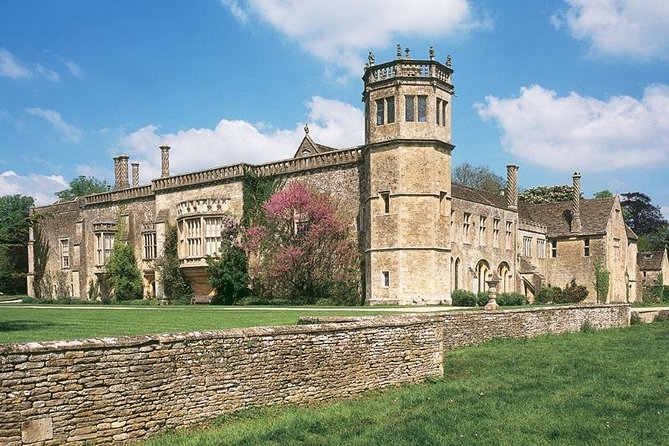
Lacock Abbey is another option. The Tudor monastery later became the home of William Fox Talbot, an important pioneer in photography. Abbey admission is not included, and the site operates from spring through autumn. If you want to visit, check opening details before departure and remember that entering the abbey will reduce your time in the village.
This is a place where priorities matter. I would choose the village walk and a quick look at the exterior if it is your first visit and you have only the tour’s allotted time. If Tudor buildings or early photography are central interests, you may prefer to pay for the abbey and accept less time elsewhere.
Castle Combe and the final Cotswolds view
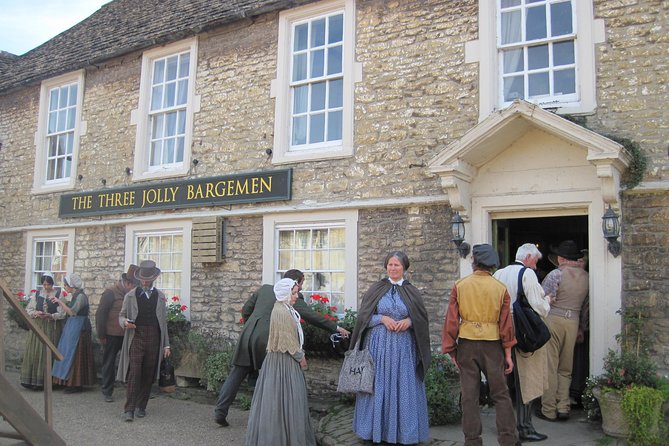
Castle Combe is the last major stop, with about 35 minutes to explore. It is a compact village in a wooded valley, known for its medieval market cross, cobbled lanes, stream, and old weavers’ cottages.
The stop is short, but that suits Castle Combe. You can walk through the central lanes, pause by the stream, and take in the view from the market cross without needing a long scheduled visit. St. Andrew’s Church contains a medieval clock and the 13th-century tomb of Sir Walter de Dunstanville, adding substance beyond the familiar postcard views.
Castle Combe has also served as a film location for Stardust, War Horse, Poirot, and the original Dr. Dolittle. The film connection is a nice extra, though the village does not need a screen credit to be appealing. Its small scale makes it easy to see on foot, even during a brief stop.
The drawback is obvious: 35 minutes is not enough for a slow wander, a pub meal, and a church visit. You will need to keep moving. The upside is that Castle Combe arrives at the end of a demanding day as a simple, pleasant walk rather than another large attraction requiring concentration.
The guide and the small vehicle make the difference
The driver-guide is central to the experience. The best parts of the day are not only the sites but also the commentary between them. Guides such as Andy and Sean are described as upbeat and entertaining, while Kevin, Jerry, Bill, and Rick are noted for local facts, cultural detail, and attentive service.
You should expect information about places you pass, not just formal talks at the stops. That matters on a day with substantial driving time. The countryside between Bath, Wiltshire, Lacock, and the Cotswolds becomes part of the experience instead of dead time.
The small group also gives you more freedom. At each stop, you can join a short guided walk or go off on your own. That arrangement works well for couples or families with different interests. One person can take photographs while another visits the village church or reads the site displays.
The vehicle is described as comfortable, and the tour’s small size makes the day less anonymous. It does not remove the basic reality of a full day in a vehicle, but it makes the transfers easier to manage than they would be on public transport.
Price, food, and what is really included
The listed price is $90.15 per person. That is fair for a full-day trip from Bath with a small group, a guide, and round-trip transport through several rural areas. The value is strongest if you want to see Stonehenge, Avebury, Lacock, and Castle Combe in one day without renting a car.
You must add £23 for Stonehenge admission. Lunch is also extra, and the tour suggests a picnic even though Lacock has places to eat. The total cost is still reasonable for the amount of driving and planning handled for you, but you should not compare the headline price with a ticket-only visit to Stonehenge.
The tour includes the guide and transport. It does not include the abbey at Lacock, and any optional food or drinks are your responsibility. Bring a card for the Stonehenge payment, water, and a picnic if you want maximum time at Lacock.
Who should book this tour?
I would choose this day trip if you have limited time around Bath and want a broad introduction to the area. It suits first-time visitors, couples, families with children aged five or older, and anyone who does not want to drive unfamiliar rural roads.
It is especially good for you if Stonehenge is essential but you also want smaller places that are difficult to reach without a car. Avebury, Lacock, and Castle Combe give the day more variety than a Stonehenge-only transfer.
You may want another option if you prefer long museum visits, serious archaeological study, or a slow village afternoon. The schedule is well managed, but it remains ambitious. You will see many places, not experience every one in depth.
Should you book Stonehenge, Avebury, and the Cotswolds from Bath?
Book it if your goal is to cover a lot of southwest England in one organized day. The early Stonehenge arrival, open access at Avebury, local commentary, and small group are the strongest reasons to go. Bring a picnic, budget the extra £23 for Stonehenge, and expect a full schedule.
Skip it only if you already plan to spend separate days at these sites or if you dislike frequent changes of scene. For most visitors based in Bath, this is a practical way to reach several places that are scattered across the countryside, with enough free time at each stop to make the day feel personal rather than purely escorted.
FAQ
Where does the tour start?
The tour starts at 1 N Parade, Bath, BA1 1NX, UK.
What time does the tour begin?
The scheduled start time is 8:15 a.m.
How long does the tour last?
The experience lasts approximately nine hours and returns to the original meeting point in Bath.
How many people are in the group?
The tour has a maximum of 15 participants.
Is Stonehenge admission included?
No. Stonehenge admission is paid separately on the day and costs £23 per person. You should bring a debit or credit card.
Is lunch included?
No. Lunch is not included. You can buy food in Lacock, but a picnic is recommended to avoid delays and preserve time for exploring.
Can I visit Lacock Abbey?
Yes, but visiting the abbey is optional and admission is not included. The abbey is open from spring through autumn.
Is the tour suitable for children?
The experience is suitable for children aged five and older.
What is the cancellation policy?
You can cancel up to 24 hours before the start time for a full refund. Changes or cancellations made less than 24 hours in advance are not accepted for a refund. If poor weather or insufficient bookings cancel the tour, you are offered another date or a full refund.
Just added around Stonehenge
- London to Southampton Cruise Port Including Stonehenge★ 5.0 · 13 reviews
- Private Guided Tour of Ancient and Magical Stonehenge★ 4.5 · 13 reviews
- Private Day Tour from London – Stonehenge, Bath & Cotswolds★ 4.5 · 63 reviews
- Private Day Tour to Stonehenge, Bath and The Cotswolds★ 5.0 · 31 reviews
- Private Day Tour to Stonehenge and Glastonbury★ 5.0 · 17 reviews
- Private Day Tour to Bath, Avebury & The Cotswolds★ 5.0 · 13 reviews
- Private Chauffeured Minivan Tour of Stonehenge from London★ 4.0 · 5 reviews
- Luxury Private Vehicle Day Hire from & to London via Stonehenge Lacock and Bath★ 5.0 · 32 reviews
Stonehenge Tours, compared.
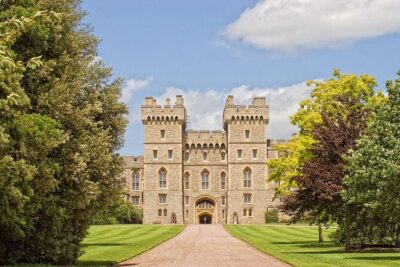
Stonehenge, Windsor Castle, and Bath from London
Read our review →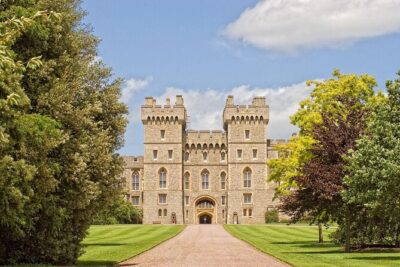
Stonehenge, Windsor Castle and Bath with Pub Lunch in Lacock
Read our review →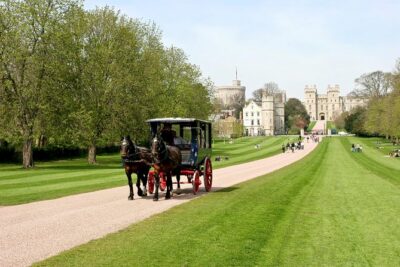
Stonehenge, Windsor Castle and Bath Full Day Guided Tour
Read our review →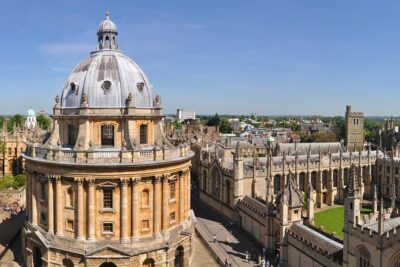
Windsor Castle, Stonehenge, and Oxford Day Trip from London
Read our review →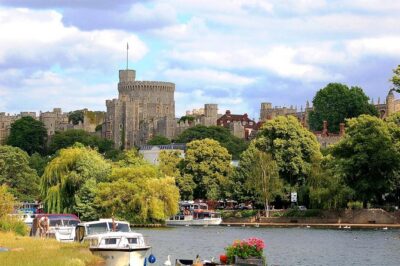
Windsor, Stonehenge and Bath Day Trip from London Spanish
Read our review →Windsor Castle, Stonehenge, and Oxford Day Trip from London
Read our review →
Stonehenge and Bath Day Trip from London with Optional Roman Baths Visit
Read our review →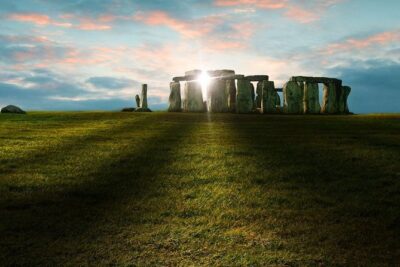
Stonehenge Inner Circle Private Tour from London with Bath Visit
Read our review →Browse the lists this tour appears in