Reviewed · LONDON TOURS
Slave Trade Money Trail Tour in the City of London
London’s financial district can look polished and impersonal, but this tour asks you to see it differently. From the Royal Exchange to Lloyd’s of London and Borough Market, guide Darrel Blake connects grand buildings and everyday commerce with the money made through slavery and colonial trade.
I like two things right away. You get a lesser-known reading of famous landmarks, and the tour does not stop at dates and names. It links banks, insurers, shipping companies, sugar, tobacco, and urban growth. I also like the tour booklet, which gives you something useful to keep studying after the walk. The main consideration is the subject itself: this is a serious, sometimes painful three hours, not a light sightseeing stroll.
Key points before you book

- The route links money to buildings: See how the Royal Exchange, Lloyd’s of London, and City financial offices relate to the slave trade.
- Darrel Blake leads the walk: His clear, personal presentation includes questions, memory checks, and historical artifacts.
- The tour runs about three hours: The route begins at the Royal Exchange and ends at Borough Market.
- The group can reach 30 people: That is small enough for a guided discussion, though the experience may feel less intimate when full.
- A booklet is included: Use it to note names, connections, and subjects you want to research later.
- You need to plan for the basics: Lunch and bottled water are not included, and poor weather can cause a cancellation.
Why this London walk matters

The tour’s central idea is simple but important: slavery was not only a story of ships, plantations, and distant ports. It also involved financial institutions, insurers, merchants, investors, shipping firms, and markets in London.
That makes the City of London a useful setting. You are not being taken to a single museum room with objects behind glass. You are looking at active streets and major buildings where economic decisions were made. The contrast can be uncomfortable, and that is part of the point.
I like this approach because it places responsibility closer to home. A grand exchange or insurance office can seem disconnected from human suffering. The walk works to show how systems of money and trade supported one another, and how profits helped fuel London’s growth from the 17th through the 19th centuries.
The presentation also reaches beyond abolition. You will consider how wealth from slavery helped shape social divisions, elite power, London’s development, and the city’s modern diversity. That wider frame gives the walk more value than a simple list of historical facts.
A few more London days out to weigh up
- London Big Bus Hop-On Hop-Off Tour with Optional River Cruise
★ 3.5 · 10,803 reviews - London Small Group Tour of Historical Pubs
★ 5.0 · 10,422 reviews - Tower of London and Crown Jewels Exhibition Ticket
★ 4.5 · 6,677 reviews
Starting at the Royal Exchange
The meeting point is the Royal Exchange, London EC3V 3LL, with a 12:00 pm start. This is a practical place to begin because it puts commerce at the centre of the story from the first minute.
The Royal Exchange was once the heart of London’s commercial life. On this tour, the building becomes more than an impressive landmark. You will examine its role in a trading system that included goods and profits tied to enslaved labor.
The listed stop lasts about 20 minutes, though the full tour also includes walking and discussion. Expect Darrel to set out the basic connections before moving into more specific examples. His style, based on the information provided, is direct and participatory. He asks questions, checks what you have just learned, and encourages the group to think rather than simply listen.
That approach may suit you if you enjoy an active history lesson. It may be less appealing if you prefer a quiet, purely observational walk. The subject demands attention, and the guide’s presentation is intentionally frank rather than softened for easy consumption.
The Royal Exchange is also the place to get your bearings. The experience is offered in English, and the mobile ticket lets you enter the tour without a paper voucher. Keep the meeting details handy, since the start and finish are in different parts of London.
The City of London and the financial system
The opening section focuses on the historic Bank area of the City of London. Here, you will look at financial institutions that were closely tied to the transatlantic slave trade.
The value of this stop is the connection between abstract finance and real human lives. Money can sound distant when described in ledgers or company records. Darrel’s task is to show how financial institutions helped support commercial activity connected to slavery, and how those profits fed wider economic growth.
This section is scheduled for about 15 minutes. That is not long, so the discussion is likely to focus on key examples rather than every institution in the City. The booklet should help you retain names and links that pass quickly during the walk.
I would bring a curious, questioning attitude. The tour is not designed to present London’s past as a neat story of progress. It looks at who gained wealth, who held power, and whose suffering was left out of familiar accounts.
This is also where the walk may have its greatest effect on repeat visitors. If you have already walked around the City many times, the buildings will look familiar. The historical meaning may not be.
Royal Exchange: commerce behind the façade

The Royal Exchange deserves a second look because it represents the commercial network that connected London to overseas trade. Its architecture can suggest confidence and order. The tour asks you to consider the labor and violence that made some of that prosperity possible.
The stop is not presented as an isolated story about one building. Instead, it forms part of a chain: merchants and investors, shipping, insurance, imported goods, and markets. That chain is the heart of the Money Trail idea.
For me, this is one of the tour’s strongest features. You are not only hearing about slavery as a political issue. You are seeing how it was woven into ordinary business. The subject becomes easier to understand when you can follow money from one institution to another.
At the same time, you should not expect a museum-style display at each stop. The tour takes place outdoors around working parts of London. The guide’s storytelling and the booklet carry much of the detail. If you want documents, objects, and long periods to read, plan to do extra research afterward.
Same part of England, a completely different sort of day:
- Thorpe Park Admission Ticket
★ 4.0 · 5,915 reviews - London Jack the Ripper Guided Tour with Ripper-Vision
★ 4.5 · 4,840 reviews - Tour for Muggles The Ultimate Harry Potter Walking Tour in London
★ 5.0 · 4,684 reviews - Original Harry Potter Locations Tour – Guided Tour of London
★ 5.0 · 4,117 reviews
Fenchurch Street and London’s shipping wealth

The longest listed stop is at 20 Fenchurch Street, with about 50 minutes devoted to the area. This gives the tour room to focus on shipping and the companies that profited from the transatlantic slave trade.
Fenchurch Street was tied to the wider British economy and to firms involved in overseas commerce. Here you will look at the relationship between shipping, company headquarters, investment, and the movement of people and goods under a brutal system.
The extra time matters. Shipping is where the money trail becomes physical. Ships carried enslaved Africans, plantation goods, and commercial cargo. The companies behind those voyages were not operating in a vacuum. They depended on finance, insurance, ports, and buyers.
This part may be especially useful if your school history focused mainly on abolition or plantation life. The tour adds the London business side, including the institutions that helped make the system profitable.
Darrel’s use of artifacts also adds weight to the discussion. Specific objects can make a historical claim easier to grasp than a broad speech. The available information does not list each artifact, so you should not expect a fixed museum collection. Still, the inclusion of objects suggests a presentation that aims to give the past a tangible presence.
Lloyd’s of London and the business of risk

At Lloyd’s of London, the focus shifts to insurance. The institution played a major role in underwriting voyages and trade connected to slavery.
This is an important stop because insurance can be easy to overlook. Ships, cargo, and commercial ventures faced risk, and insurance helped businesses manage that risk. In practical terms, underwriting made it easier for the trade to continue and for investors to protect their money.
The scheduled stop lasts around 20 minutes. It is long enough to explain the basic role of insurance, though you should not expect every company or policy to be covered.
This stop also shows why the tour works best for people who want systems, not just dramatic stories. You will be asked to think about how ordinary business tools can support an immoral enterprise when profit is the main measure of success.
The building itself is a strong visual marker, but the lesson is more important than the façade. Look for the link between financial security and human insecurity. The people treated as cargo had no protection, while the businesses carrying out the trade could insure their investments.
Borough Market and the goods of slavery

The route ends at Borough Market in Southwark, London SE1 9AL. The market is connected to goods produced through enslaved labor, including sugar and tobacco.
This is a fitting final stop because it brings the story back to daily consumption. Sugar and tobacco were not only commodities in distant plantations. They entered markets, kitchens, shops, and social life. Borough Market helps you consider how ordinary demand supported a system built on exploitation.
The stop lasts about 20 minutes. Since Borough Market is a functioning public market, the setting can feel very different from the quieter financial streets at the beginning. That contrast may sharpen the final discussion, but it also means the environment may be busy and distracting.
No admission ticket is included for the market, and no separate entry is listed as part of the tour. The route ends there, giving you a sensible chance to buy food afterward. Lunch is not included, so you should plan to eat before the tour or after it rather than expect a meal during the walk.
Ending at Borough Market also leaves you with a modern question: how should a city remember the sources of its wealth while continuing to use spaces shaped by that past? The tour does not turn the market into a simple villain. It places the site within a larger trading network and asks you to think about what has been remembered, forgotten, or left out.
Darrel Blake’s teaching style

Darrel Blake is the named guide and provider. The strongest praise attached to the experience focuses on his delivery, passion, personal connection, and use of evidence.
You can expect more than a rehearsed speech. Darrel’s method includes asking questions, testing your memory, and checking that the group has understood the point before moving on. That can make a three-hour walk feel more like a guided class than a standard sightseeing tour.
His presentation is also described as personal and unapologetic. That matters here. A gentle, vague account of slavery would miss the purpose of the experience. The tour aims to name the role of institutions and the effect on African people and their descendants.
At the same time, the emotional weight may not suit everyone. The walk deals with violence, exploitation, inherited wealth, and the gaps in what many people were taught at school. You may finish feeling shocked, inspired, or unsettled. That is not a flaw, but it is something to understand before booking.
The experience has also worked for families with teenagers. The available information includes children aged 13 and 15 attending and taking a great deal from the tour. Still, adults should use their judgment, since the subject is serious and the presentation does not appear designed to shield the audience from difficult truths.
Price, group size, and practical value
At $48.01 per person, this is not the cheapest way to spend three hours in London. But the price includes a guide and a booklet, and the tour covers a specialized subject that is difficult to find in a standard sightseeing program.
I see the value in the interpretation. You are paying for connections between buildings, institutions, trade, and modern society. If you want a list of famous sights, choose another walk. If you want a guided explanation of how slavery helped shape London’s financial power, the price is reasonable.
The maximum group size is 30 people. A full group may limit personal conversation, but Darrel’s question-based style should keep the walk active. If you have specific questions, ask them during the stops rather than waiting until the end.
The experience lasts about three hours. The listed stop times total roughly two hours and five minutes, leaving time for walking and discussion. Wear comfortable shoes and bring water. Bottled water is not included, and neither is lunch.
The activity is offered in English. A mobile ticket is provided, confirmation arrives when you book, and the route is near public transportation. Service animals are allowed, and most people can take part. No detailed accessibility information is provided, so contact the provider if you have mobility concerns or need a specific accommodation.
The tour depends on good weather. If poor weather causes cancellation, you are offered another date or a full refund. You can cancel for a full refund up to 24 hours before the start time, but late cancellations and changes are not accepted.
Who should book this experience?
I would choose this tour if you care about British history, social justice, human rights, family heritage, or the way institutions shape public life. It is particularly useful if you know London’s monuments but have never studied their links to slavery.
It also suits people who like guided discussion. Darrel’s style asks you to remember, question, and connect ideas. You will get more from the walk if you are ready to participate rather than simply take photographs.
The tour may appeal to people of Caribbean or African heritage who want a clearer account of Britain’s role in the slave trade. It can also help parents and older teenagers approach a subject that is often treated too briefly in school.
I would not book it if you want a relaxed walk with amusing stories and little emotional weight. The route uses public streets, the subject is painful, and the presentation is deliberately direct.
Should you book the Slave Trade Money Trail Tour?
Book it if you want to understand how London’s wealth was connected to slavery, not just hear a general account of the transatlantic trade. The route from the Royal Exchange to Borough Market gives the subject a clear shape, while Darrel Blake’s evidence-led and personal teaching style adds force.
The best reason to go is the change in perspective. After three hours, the City’s banks, insurers, shipping offices, and markets may look less like neutral landmarks and more like parts of a system that helped build modern London.
At $48.01, the tour offers solid value for history-minded visitors who want context rather than a quick photo stop. Bring water, prepare for serious material, and leave time afterward to think about what you have heard. If that sounds like the kind of London lesson you want, this is a worthwhile booking.
FAQ
Where does the Slave Trade Money Trail Tour start?
The tour starts at the Royal Exchange, Royal Exchange, London EC3V 3LL, UK.
What time does the tour begin?
The tour starts at 12:00 pm.
Where does the tour finish?
The tour ends at Borough Market, London SE1 9AL, UK.
How long does the tour last?
The experience lasts approximately three hours.
What language is the tour offered in?
The tour is offered in English.
Is a guide included?
Yes. The tour includes a guide, with Darrel Blake identified as the experience provider and guide.
Is a tour booklet included?
Yes. You receive a tour booklet to support the experience.
Are lunch and bottled water included?
No. Lunch and bottled water are not included.
How many people can join the tour?
The maximum group size is 30 people.
Can I cancel the booking for a refund?
Yes. You can cancel at least 24 hours before the start time for a full refund. Cancellations or changes made less than 24 hours before the start time are not accepted, and poor weather may lead to another date or a full refund.
Just added around London
- London Private Jack The Ripper Tour★ 5.0 · 9 reviews
- Private Spy Walking Tour of London★ 5.0 · 6 reviews
- Private Shoreditch Street Photography Workshop★ 4.5 · 4 reviews
- Private Sightseeing Walking Tour of The City Of London★ 5.0 · 3 reviews
- Private 2.5 Hour Taxi Tour of London – London’s Greatest Bits!★ 5.0 · 4 reviews
- Private Round Trip Transfer between London Airports and Hotel★ 3.5 · 56 reviews
- Shakespeare London Walking Tour★ 5.0 · 26 reviews
- Private Prison Van Escape Game – London Immersive Experience★ 4.0 · 15 reviews
London Tours, compared.
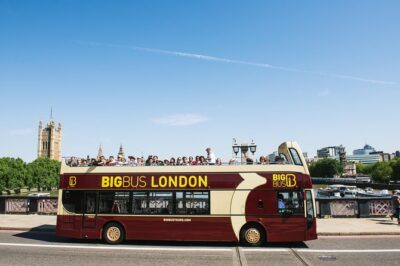
London Big Bus Hop-On Hop-Off Tour with Optional River Cruise
Read our review →

Tower of London and Crown Jewels Exhibition Ticket
Read our review →
London Jack the Ripper Guided Tour with Ripper-Vision
Read our review →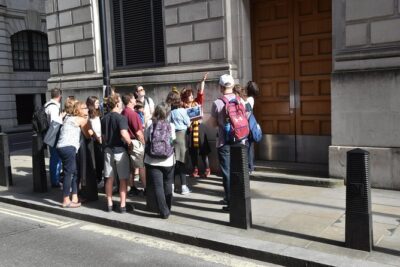
Tour for Muggles The Ultimate Harry Potter Walking Tour in London
Read our review →
Original Harry Potter Locations Tour – Guided Tour of London
Read our review →