
Reviewed · PEAK DISTRICT TOURS
Map Reading and Navigation Course in Peak District
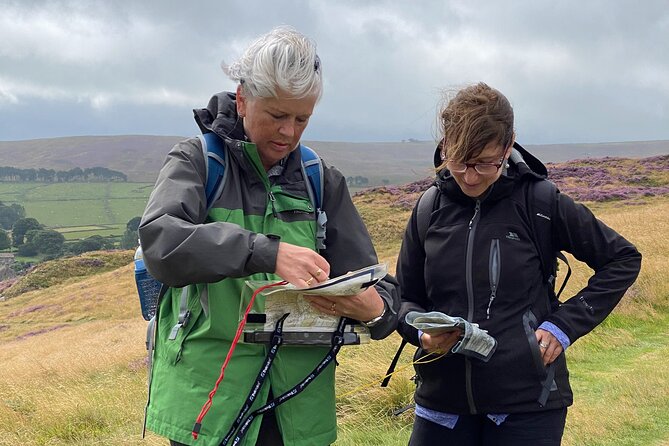
The useful thing about this one-day Peak District navigation course is that it gets you outside quickly. You begin at the Adventure Hub near Bamford, then take the new skills into the hills and moorland around the Hope Valley. Instructors including Gavin, Rick, Paul, Guy, and Richard have been praised for making the teaching clear, friendly, and easy to follow.
I like the small maximum group of eight, which gives you a fair chance to ask questions and practise. I also like the mix of classroom work and real walking. You are not simply staring at a map indoors, and you are not thrown onto a hillside without first learning the basics.
The main consideration is the weather. This course runs in all conditions, so a wet or windy day may make the practical work tougher. You must bring a packed lunch and dress for the hills, since lunch is not included and the day is spent mostly outdoors.
Key points to know before booking
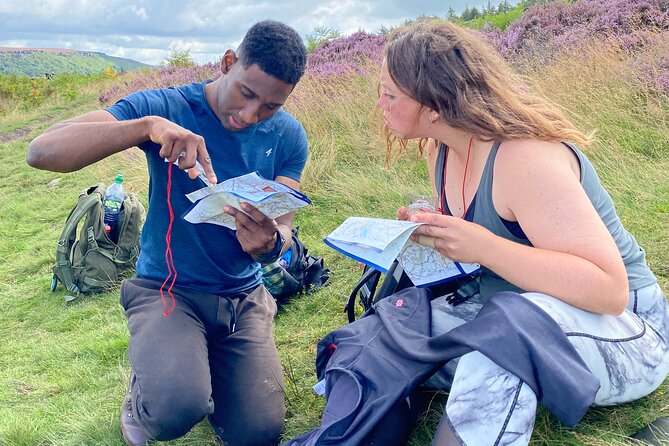
- Practical teaching near Bamford: The Adventure Hub puts you close to Peak District paths and open moorland for hands-on practice.
- Compass skills for beginners: You learn how to set a map, check direction, and understand different compass types.
- Small groups capped at eight: The size should make it easier to get personal help during exercises.
- A full day from 9:30 am: The course has time for map theory, explanation, walking, and repeated practice.
- Tea and coffee are provided: You still need to bring lunch and suitable outdoor clothing.
- A good first step for self-guided walks: The focus is on the basic skills needed to plan and follow routes in the UK hills.
Why this course matters for Peak District walking
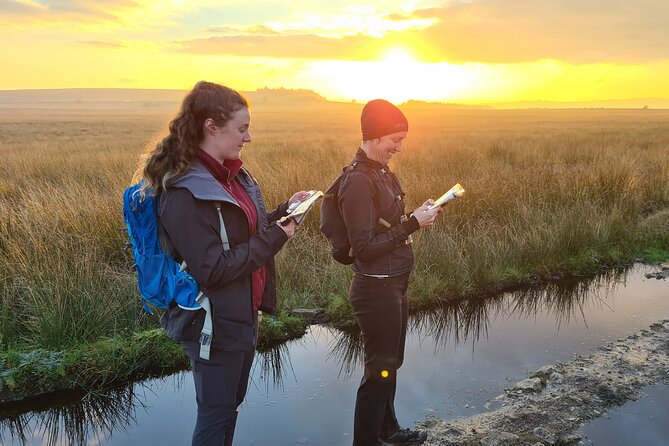
A map and compass course can sound basic until you are on a moor with several paths, poor visibility, and no obvious sign pointing the right way. Digital navigation is useful, but battery life, signal, and screen glare can all become problems. A paper map and compass give you another way to understand where you are and where you need to go.
This course is aimed at beginners who want to start walking without relying entirely on a guide. It also suits people returning to hill walking after a long break. One participant had not used a compass for nearly 40 years and wanted to refresh old skills after retirement. That is a good fit for this course: you do not need prior navigation experience, and you do not need to arrive as an expert.
I like the focus on practical use rather than abstract theory. You work with map types, grid references, scale, rights of way, and direction. These are the small building blocks that make a longer walk less stressful.
A few more England days out to weigh up
- Outdoor Rock Climbing Taster Day in Peak District
★ 5.0 · 74 reviews - Derbyshire & the Peak District from Manchester
★ 4.5 · 64 reviews - 6hr Small Group Peak District eBike Tour
★ 5.0 · 39 reviews
Starting at the Adventure Hub at 9:30
The meeting point is in Bamford, in the Hope Valley, at the Adventure Hub. The course begins at 9:30 am and ends back at the same meeting point. The setting is useful because you are close to the Peak District hills from the start, rather than spending half the day travelling to a remote training area.
The facility provides coffee and tea, which is a welcome start before heading outdoors. It also gives the instructor a place to explain the core ideas before asking you to use them in the field. This classroom element matters. Map work is easier when you can pause, ask a question, and look again before walking.
The meeting point is near public transport, and parking is available at the Adventure Hub according to the practical information provided for the course. Still, check your own route and arrival time carefully. A 9:30 start leaves little room for getting lost on the way to the meeting point.
Understanding maps, scale, and grid references
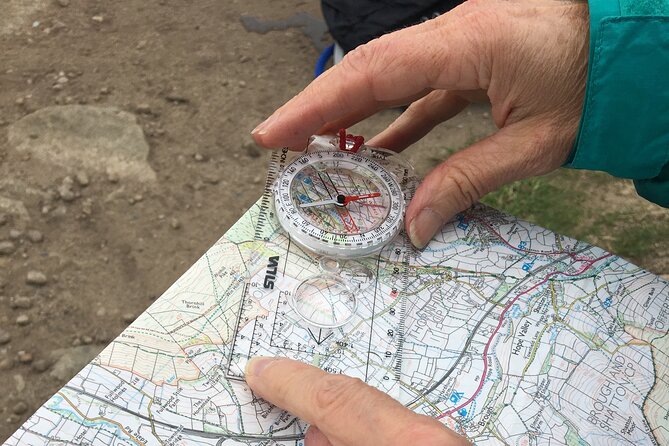
The first teaching block covers how maps work. You learn about map theory, grid references, scale, and rights of way. These subjects can feel dry in a book, but they make much more sense when tied to an actual walk.
Grid references are especially useful because they give you a precise way to describe a position. Instead of saying you are near a hill or beside a path, you can identify a location on the map. That is valuable when planning a route, checking progress, or explaining where you need help.
Scale helps you judge distance. A route that looks short on paper may take longer because of steep ground, rough paths, or repeated navigation checks. The course does not promise to turn you into a mountain guide in one day, but it gives you a sound starting point for reading the information in front of you.
Rights of way are another useful part of the lesson. A line on a map is not always just a route you can casually choose. Understanding paths and access helps you plan more responsibly and avoid confusion when several tracks meet.
Learning how to use different compasses
The compass work is one of the most useful parts of the day. You learn about different types of compass and how to use one to set the map and check direction.
Setting the map means aligning it with the ground around you. Once the map is oriented correctly, features on paper make more sense in relation to the hills, paths, and other points around you. It is a simple habit, but it can prevent the common mistake of walking in the right general direction while following the wrong path.
The course also covers checking direction with a compass. That gives you a way to confirm your route instead of relying only on what looks familiar. It is particularly useful when several paths appear similar or when weather reduces visibility.
Your instructor is likely to spend time watching you repeat each task. That is important because compass work can seem easy when someone demonstrates it, then become confusing when it is your turn. The small group limit should help here. You can ask for a correction before a small mistake becomes a long walk in the wrong direction.
Same part of England, a completely different sort of day:
- Stonehenge, Windsor Castle, and Bath from London
★ 4.5 · 18,662 reviews - London Big Bus Hop-On Hop-Off Tour with Optional River Cruise
★ 3.5 · 10,803 reviews - London Small Group Tour of Historical Pubs
★ 5.0 · 10,422 reviews - Beatles Magical Mystery Tour
★ 5.0 · 9,266 reviews
Taking the lessons onto Peak District paths
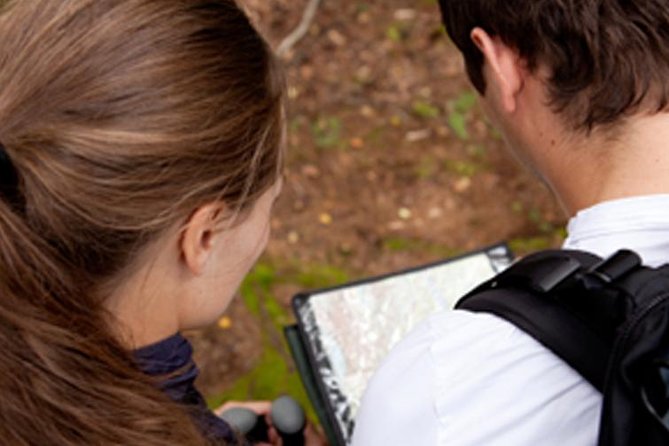
Most of the day is spent in the hills and moorland near the training facility. This is where the course earns its price. You are not just memorising terms. You are testing map reading and direction in the same kind of setting where you will later use them.
The Peak District is a fitting classroom because paths, open ground, and changing viewpoints give you plenty to interpret. You may find that a route looks obvious in one place, then requires more care where tracks divide or the ground opens out. The practical work helps you connect what is printed on the map with what you can see around you.
Expect the instructor to explain, demonstrate, and then give you time to practise. The strongest teaching comments point to clear explanations and plenty of practical exercises. Paul, for example, was praised for covering the basics while keeping the day enjoyable, and Guy was noted for shaping the day around the group’s needs.
The pace should feel more like a lesson with walking than a fast hike. If you want a hard physical challenge or a long summit day, this is not the right product. The purpose is to build skills, not to cover the maximum distance.
The teaching style and group atmosphere
The instructors used on this course include Gavin, Rick, Paul, Guy, and Richard. The individual guide depends on the date, but the teaching style described across the course is consistent: supportive, clear, and practical.
Gavin was particularly effective with nervous beginners, helping create a relaxed atmosphere for people who had never tried navigation. Rick has also taught the more formal two-day NNAS Bronze course, and his approach was described as well judged for people refreshing old skills. That does not mean this one-day course is an NNAS qualification. It is an introductory course designed to give you a taste of the core skills.
Accessibility awareness is another positive point. One instructor was able to support a participant who was deaf and relied on lip reading. You should still discuss your own needs with the provider before booking, but this suggests that the instructors take communication and group support seriously.
A group of no more than eight is a real advantage. Map reading can be hard to follow if you are standing behind a crowd or waiting a long time to handle the equipment. Here, you should have regular opportunities to ask questions and practise.
What to bring and how to handle the weather
The course operates in all weather conditions. That means you should treat clothing as part of your preparation, not an afterthought. Wear suitable outdoor clothing and bring layers so you can adjust as the day changes.
You need to bring lunch. Tea and coffee are included, but food is not, and you may spend much of the day away from the building. A packed lunch is the simplest choice.
The available information does not specify a required map, compass, footwear, or other personal equipment. Ask Pure Outdoor Ltd what is supplied and what you should bring before the day. Do not assume that a phone navigation app replaces the course equipment. The point is to learn sound map and compass habits, even if you later use an offline app as an extra tool.
The weather can affect how enjoyable the day feels. Rain may make map handling less pleasant, while low cloud or poor visibility can make navigation practice more demanding. That challenge can be useful, but only if you are dressed for it.
Is $136.73 good value for one day?
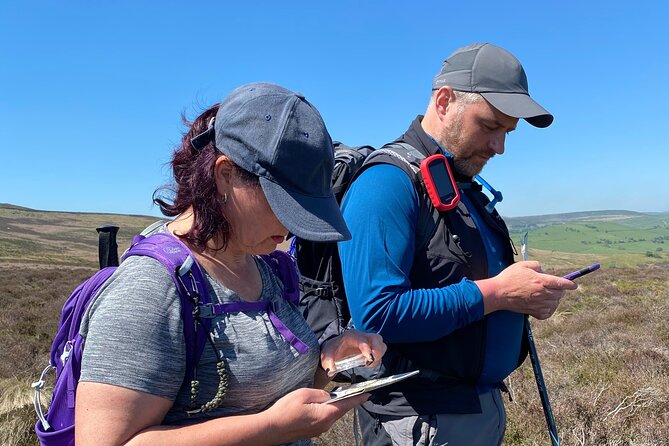
At $136.73 per person, this is not a cheap casual walk. You are paying for a full day with a professional guide, a small group, teaching at a dedicated facility, and practical time in the Peak District.
I think the value depends on how often you plan to walk independently. If you want to start planning your own hill days, the course can save you from learning only through trial and error. It also gives you a safer foundation than picking up scattered tips from an app or a short online video.
The price includes coffee and tea, but not lunch. It does not appear to include transport to Bamford or personal outdoor clothing, so add those costs when planning your day. The maximum group size of eight improves the value because individual instruction is easier to provide in a small group.
If you only want a scenic walk with no classroom work, you may feel the price is high. If you want a practical skill that you can use again on future routes, the cost is more reasonable.
Who should book this course
This is a strong match for:
- Beginners who want to start self-guided walks.
- People returning to hill walking after many years away.
- Walkers who use an app but want a paper-map backup.
- Anyone who feels unsure about grid references or compass direction.
- People looking for a useful outdoor gift.
- Walkers who enjoy learning through practice rather than a lecture.
It may not suit you if you want a long, fast hike, a formal qualification, or a specialist mountain-navigation course. The day is introductory. It gives you a foundation, not every skill needed for complex mountain travel.
The course may also be a good choice for a mixed group with different experience levels. The instructors have experience adjusting explanations and supporting people who feel nervous at first. Still, the day runs outdoors in all weather, so you should be comfortable spending much of the day walking in exposed conditions.
Booking, cancellation, and practical details
The course is offered in English and uses a mobile ticket. Confirmation normally arrives at booking, although bookings made within seven days of the date may be confirmed within 48 hours, subject to availability.
You can cancel for a full refund up to 24 hours before the 9:30 am start. Cancellations or changes made inside that window are not accepted for a refund. The activity also requires a minimum number of participants. If Pure Outdoor Ltd cancels because that minimum is not met, you can choose another date or activity, or receive a full refund.
Most people can participate, and service animals are allowed. If you have a mobility, hearing, vision, or communication need, contact the provider before booking so the instructor can prepare properly.
Should you book the Peak District navigation course?
I would book this if you want a practical first step toward independent walking. The best parts are the small group, the mix of indoor explanation and outdoor practice, and the chance to learn in the Peak District rather than in a classroom far from real paths.
The main trade-off is that you must accept a full day outside in whatever weather arrives, bring your own lunch, and put in active effort during the exercises. You are buying instruction, not simply a scenic day out.
For a beginner, a rusty map reader, or someone who wants more confidence before tackling UK hill routes alone, this course offers useful skills at a fair price. Bring lunch, dress properly, arrive ready to practise, and you should finish with a much clearer idea of how to use a map and compass on your own walks.
FAQ
Where does the navigation course start?
The course starts at the Adventure Hub in Bamford, Hope Valley, Sheffield, England.
What time does the course begin?
The start time is 9:30 am.
How long does the course last?
It is a one-day course, lasting approximately one day, and ends back at the meeting point.
Is lunch included?
No. Coffee and tea are provided, but you need to bring your own lunch.
How many people can join the course?
The activity has a maximum group size of eight participants.
Can I cancel for a full refund?
Yes. You can cancel at least 24 hours before the start time for a full refund. Cancellations or changes made less than 24 hours before the start time are not accepted for a refund.
Just added around England
- London Private Jack The Ripper Tour★ 5.0 · 9 reviews
- Private Spy Walking Tour of London★ 5.0 · 6 reviews
- Private Shoreditch Street Photography Workshop★ 4.5 · 4 reviews
- Private Sightseeing Walking Tour of The City Of London★ 5.0 · 3 reviews
- Private 2.5 Hour Taxi Tour of London – London’s Greatest Bits!★ 5.0 · 4 reviews
- Private Round Trip Transfer between London Airports and Hotel★ 3.5 · 56 reviews
- London to Southampton Cruise Port Including Stonehenge★ 5.0 · 13 reviews
- Shakespeare London Walking Tour★ 5.0 · 26 reviews
Peak District Tours, compared.
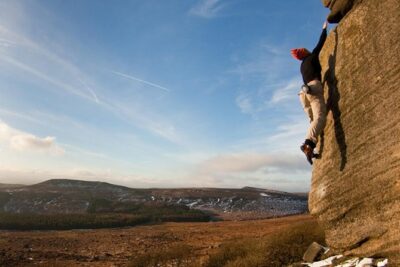
Outdoor Rock Climbing Taster Day in Peak District
Read our review →

Peak District Tour App, Hidden Gems Game and Big Britain Quiz (7 Day Pass) UK
Read our review →Browse the lists this tour appears in