
Reviewed · WORKSHOPS
Beginners Photography Course – Small Group Workshop
London becomes your classroom in this small-group photography workshop, where you learn by taking pictures rather than sitting through a long indoor lecture. Starting near London Bridge, you work with your own camera around City Hall, Tower Bridge, and the Tower of London.
I like the maximum group size of six, which leaves room for one-to-one help. I also like the practical approach: short assignments put ISO, aperture, shutter speed, focus, and composition to work right away. The main drawback is price. At $336.07 per person, this is a serious investment for four hours, especially if you own only a phone or already understand manual camera controls.
- Your own camera sets the lesson plan, not a generic demonstration model.
- Lou and the London Photo Tours team focus on clear, patient teaching for beginners.
- City Hall and More London provide a useful first stop for practicing basic settings.
- Tower Bridge and the Tower of London turn composition, focus, light, and lens choices into real exercises.
- A six-person limit gives you a better chance to ask questions and fix camera problems.
- The skills stay useful beyond London, including ISO, white balance, aperture, shutter speed, and manual focus.
A Practical Start Near London Bridge
The workshop begins at London Bridge Station Approach Road, London SE1 9SP. It ends back at the same meeting point, which makes the morning or afternoon easy to plan around. The experience lasts about four hours, though one past participant described spending five hours on the course, so I would allow a little flexibility if you have plans afterward.
Bring your own digital camera, a fully charged battery, spare battery if available, and memory cards. This matters. The teaching is built around the camera you actually use, and the tutor can help you find controls that may be buried in menus or explained poorly in a manual.
The course suits someone who has owned a camera for years but still uses Auto or Scene mode. It also suits a complete beginner who has inherited a camera and has no idea where to begin. You do not need to arrive knowing technical terms. You do need to bring a camera with manual controls if you want to practice the full range of settings covered.
The small group is one of the best reasons to consider this workshop. A large class can leave you waiting while the instructor helps someone with a different camera. Here, six is the maximum. Since every person may bring a different make or model, individual help is not a luxury. It is the point.
City Hall: Learning What Your Camera Can Do
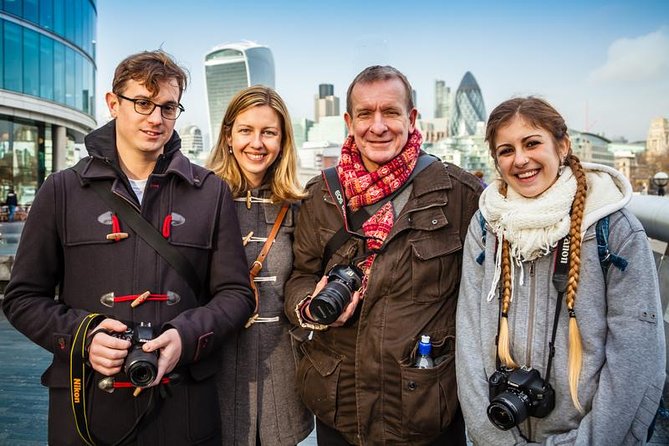
The first and longest section takes place around City Hall and More London. You spend about two hours here, learning the main functions and settings of your camera in a scenic riverside setting.
This is where the workshop earns its beginner-friendly reputation. Instead of memorizing isolated definitions, you set ISO, shutter speed, and aperture, then see how each choice changes the picture. Short assignments give you a reason to adjust the controls and compare the results.
ISO affects how sensitive the camera is to light. Shutter speed affects how motion appears. Aperture changes the amount of light entering the camera and influences how much of the scene looks sharp. Those ideas can seem slippery when you read them in a manual. They make more sense when you change one setting, take a photograph, and look at what happened.
The tutor keeps the lesson tied to your specific camera. That can include helping you locate buttons, menus, focus settings, or manual controls. One course participant arrived with a camera that needed a factory reset, and the tutor took time to sort it out. That example is useful: this is not only a lesson in photography theory. It can also be a practical session for getting a confusing camera into working order.
You also receive advice on approaching different subjects. That means the class is not limited to pressing buttons correctly. You begin to think about where to stand, what to include, and how your chosen settings affect the mood and clarity of the image.
The drawback is that two hours can pass quickly when the group has several camera types and different skill levels. The tutor has to keep everyone moving while still giving personal help. The six-person cap reduces this problem, but you should expect an active workshop, not a private four-hour lesson devoted only to your camera.
More Workshops in London
- Fully Guided Tour of Warner Bros Studio Tour London – The Making of Harry Potter
★ 4.5 · 722 reviews - London Traditional English Scone Making and Tea Workshop
★ 5.0 · 271 reviews - Pasta Making with Unlimited Prosecco in London’s West End
★ 5.0 · 264 reviews
Tower Bridge: Composition and Light by the Thames
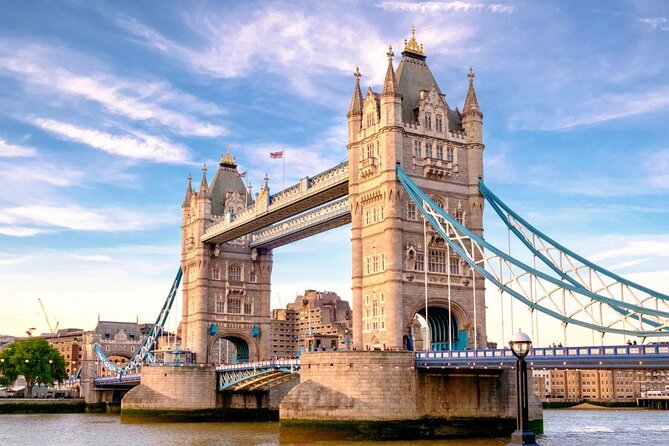
The next stop takes about 30 minutes and gives you a classic London subject: Tower Bridge photographed from across the river.
This is a useful change of pace. At City Hall, the focus is mainly on controlling the camera. At Tower Bridge, you start applying those controls to a recognizable subject. The tutor explains composition, framing, depth of field, and the effect of light on the final photograph.
Composition is often the difference between a record shot and a picture you want to keep. You learn to consider the position of the bridge within the frame, the amount of sky or river to include, and how lines lead the eye through the image. The bridge gives you strong shapes and perspective, so it is a good subject for testing these choices.
You also practice different focusing techniques. This matters because automatic focus does not always select the part of the scene you want. A better understanding of focus points and focusing methods can help you place attention on the bridge, a nearby detail, or another chosen subject.
The short time here is both a benefit and a limitation. You get a focused lesson without spending half the day at one viewpoint, but you will not have unlimited time for repeated shots in changing light. Think of this stop as a practical exercise, not a full architectural photography session.
The Tower of London: Lens Choice and Stronger Framing
The final named stop lasts about 30 minutes and looks across the river toward the Tower of London. This historic fortress gives you another subject with strong shapes, varied textures, and plenty of opportunities to consider framing.
Here, the tutor adds lens choices, shutter speed, composition, and light to the discussion. A wide lens can help you include more of the surroundings. A longer lens can bring distant details closer. The right choice depends on what you want the picture to say, and the workshop helps you test that decision with the equipment you brought.
Shutter speed becomes more meaningful when you use it on real subjects. You can consider how a faster or slower setting affects sharpness and how much light reaches the sensor. The tutor remains available to help, which is especially useful when your camera presents the setting in a different way from someone else’s.
The Tower of London also gives you a chance to combine several lessons at once. You may be thinking about light, selecting a focus point, deciding how tightly to frame the building, and choosing a lens. Beginners can find that combination confusing. The value here is having someone nearby who can explain the choice in plain terms before you get stuck.
Again, 30 minutes is enough for guided practice but not for an extensive shoot. If your main aim is to photograph London landmarks at length, a dedicated photo walk may suit you better. If your aim is to learn how to use your camera while photographing famous places, this stop fits the course well.
What You Actually Learn in Four Hours
The course covers a lot without trying to turn you into a professional photographer in one afternoon. You should come away with a working grasp of:
- ISO and its role in exposure
- Shutter speed and its effect on motion and light
- Aperture and depth of field
- White balance
- Focusing techniques
- Lens choices
- Composition and framing
- The way light changes a photograph
- The main settings on your own camera
The strongest feature is the link between technical settings and visual results. You are not simply told what aperture means. You use it and see how the appearance of your photograph changes.
The course also helps replace camera anxiety with a sensible process. Instead of randomly changing settings, you can begin asking what you want the photograph to look like, then choose the setting that supports that goal. That is a lasting benefit for holiday photography, family pictures, architecture, and everyday scenes.
You should still expect to practice afterward. Several past participants found that the class gave them clarity and confidence, but also recognized that they needed to keep using the camera to make the lessons stick. That is normal. Four hours can show you the controls and the relationships between them. It cannot replace repeated use.
More photo shoots in London:
- Professional Photoshoot in London Photographer
★ 5.0 · 102 reviews - Private landmarks photoshoot for families and couples
★ 5.0 · 92 reviews - London: Private Landmarks with a Professional Photographer
★ 5.0 · 30 reviews - Private Night Photography Tour in London
★ 5.0 · 29 reviews
Lou’s Teaching Style and Personal Help
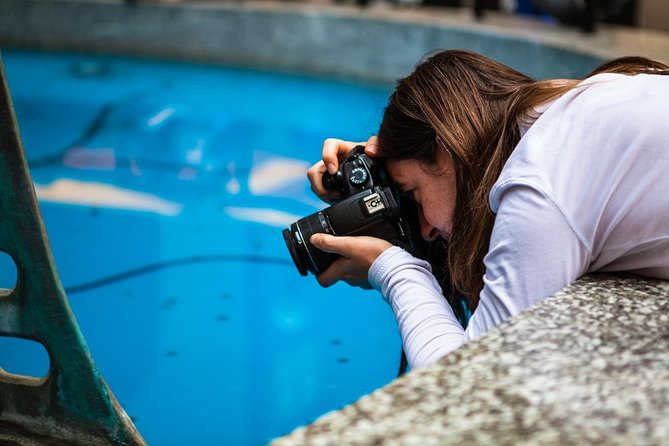
Lou is the named tutor associated with the strongest comments about the course. The teaching style is practical, patient, and aimed at keeping people from feeling lost. That matters because beginners often arrive with very different starting points.
One person may be using a camera inherited from someone else. Another may own an intimidating DSLR but remain stuck on Auto. A third may understand the basics but have trouble remembering which setting controls what. The small group allows the tutor to explain the same idea at different levels.
The course also has a useful balance between instruction and assignments. You receive short tasks, then get help as you work through them. This keeps the lesson active and gives you something concrete to discuss with the tutor.
The camera-specific approach is especially valuable. A generic lesson can tell you what to change but not where to find the control on your particular body. Here, the tutor works with a wide range of cameras and adapts the guidance to what you own.
Is $336.07 Good Value?
At $336.07 per person, the cost is high for a four-hour activity. You are not paying for entry to the Tower Bridge or the Tower of London, and food and drinks are not included. The price is for the tutor, the small group, the walking lesson, and the personal help with your camera.
The value depends on your starting point. If you have a camera worth several hundred dollars or more and have spent years leaving it on Auto, a focused lesson can make the equipment far more useful. The same is true if you have struggled with your manual, cannot find basic controls, or want to take better photographs on future trips.
The price is harder to justify if you mainly use a phone, want a general sightseeing walk, or already understand exposure and composition. It is also not the best fit if you want a private lesson. The group is small, but it is still a group.
Group discounts are available, which may improve the value if you are booking with someone else. The course is also offered in English, and confirmation is provided at booking.
Who Should Book This Workshop
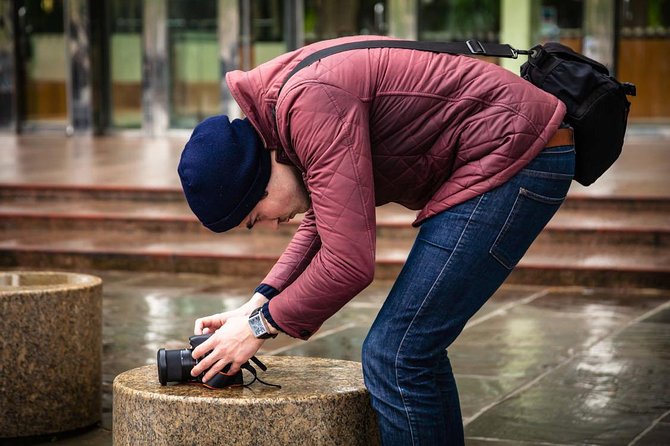
I would point this course toward you if:
- You are stuck on Auto or Scene modes.
- You own a DSLR or digital camera but do not understand its settings.
- You have inherited a camera and need a calm introduction.
- You want practical instruction instead of a classroom lecture.
- You learn best by taking pictures and receiving immediate guidance.
- You want a foundation before taking an intermediate or night photography course.
It is less suitable if you want a relaxed sightseeing tour with only a few photography tips. The lesson asks you to pay attention, change settings, and complete short assignments. It is also less suitable for advanced photographers who already work comfortably with manual exposure, focusing, and composition.
The minimum age is 16. Service animals are allowed, the meeting point is near public transportation, and most people can take part. You should still be comfortable walking between the riverside locations while carrying your camera equipment.
My Verdict: A Strong Choice for Camera Beginners
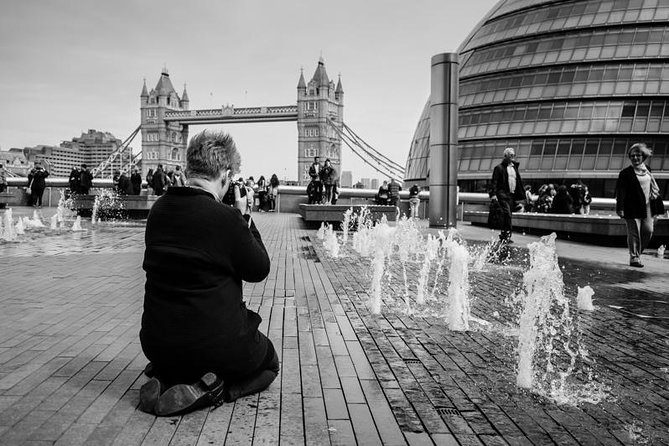
I like this workshop because it addresses the real problem many new camera owners have: not a lack of interest, but a lack of confidence. You learn the controls on the camera in your hands, then use them on some of London’s most photogenic subjects.
The six-person limit and one-to-one help are the main advantages. Lou’s patient approach, the short practical exercises, and the chance to sort out camera problems add real value. The price is the clear concern, so I would book only if you are serious about using a dedicated camera and want personal instruction.
If you are ready to move beyond Auto and need a firm start, this is a sensible choice. Bring a charged camera, spare battery and memory card if you have them, and leave room in your schedule to practice after the course. The workshop can give you the tools. Your best photographs will come from using them again and again.
FAQ
How long does the Beginners Photography Course last?
The activity lasts approximately four hours. One portion at City Hall takes about two hours, followed by around 30 minutes at Tower Bridge and 30 minutes at the Tower of London.
Where does the workshop start and finish?
It starts at London Bridge Station Approach Road, London SE1 9SP, UK. The activity ends back at the meeting point.
What camera equipment should I bring?
Bring your own camera, a fully charged battery, a spare battery if you have one, and memory cards. The instruction is tailored to the camera you bring.
How many people can join the workshop?
The maximum group size is six people. This allows time for personal questions and one-to-one instruction.
Is the course suitable for complete beginners?
Yes. The course covers basic camera functions and settings, including ISO, shutter speed, aperture, focus, composition, and light. It is designed for people who want to move beyond Auto and Scene modes.
Can I cancel for a full refund?
You can cancel at least 24 hours before the experience start time for a full refund. Cancellations or changes made less than 24 hours before the start time are not accepted for a refund.
Just added around London
- London Private Jack The Ripper Tour★ 5.0 · 9 reviews
- Private Spy Walking Tour of London★ 5.0 · 6 reviews
- Private Shoreditch Street Photography Workshop★ 4.5 · 4 reviews
- Private Sightseeing Walking Tour of The City Of London★ 5.0 · 3 reviews
- Private 2.5 Hour Taxi Tour of London – London’s Greatest Bits!★ 5.0 · 4 reviews
- Private Round Trip Transfer between London Airports and Hotel★ 3.5 · 56 reviews
- Shakespeare London Walking Tour★ 5.0 · 26 reviews
- Private Prison Van Escape Game – London Immersive Experience★ 4.0 · 15 reviews
Workshops, compared.
Fully Guided Tour of Warner Bros Studio Tour London – The Making of Harry Potter
Read our review →
Warner Bros. Studio Tour London – The Making of Harry Potter and Oxford Day Trip
Read our review →
London Traditional English Scone Making and Tea Workshop
Read our review →
Pasta Making with Unlimited Prosecco in London’s West End
Read our review →


Browse the lists this tour appears in