
Reviewed · BOAT TRIPS
Cruise Wells Next The Sea on Historic RNLI and Dunkirk Veteran Lifeboat
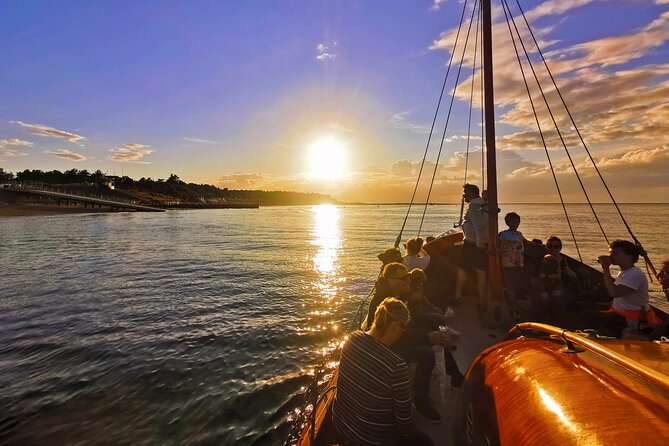
The main attraction here is the boat itself: a restored RNLI and Dunkirk veteran lifeboat with polished mahogany and a working past. Instead of simply riding around the harbor, you get a close look at a vessel tied to lifesaving and wartime history, with the crew explaining how it was used and what plans exist for its future.
I like the small maximum group of 12, which leaves room for questions and gives the cruise a personal feel. I also like the pause off Wells Beach, where the boat drifts with the tide while you take in the view with tea, coffee, hot chocolate, or a cold drink. The main consideration is the price: at $243, this is a costly 90-minute outing, so it makes most sense if the historic boat and guided storytelling matter as much to you as the scenery.
Key points
- A Dunkirk and RNLI veteran boat: The vessel is the central attraction, with restored mahogany details and plans for further work.
- A maximum of 12 people: This is a quiet, intimate cruise rather than a large sightseeing boat.
- Wells harbor and beach from the water: You pass through the historic harbor and stop off Wells-next-the-Sea Beach.
- Stories about Operation Dynamo: The crew explains the lifeboat’s wartime connection and the broader lifesaving service.
- Drifting with a drink: The beach stop lasts about 15 minutes and gives you time to enjoy the view.
- Weather matters: Poor conditions can lead to a new date or a full refund.
Why the Lifeboat Is the Real Attraction
Many boat trips use the vessel as a means to reach the view. Here, the order is reversed. You come for the boat first, then enjoy Wells-next-the-Sea from the water.
This RNLI and Dunkirk veteran lifeboat has been renovated, including handsome mahogany work that gives the interior a warm, old-fashioned feel. The crew also explains plans for the boat’s future, so you are not just looking at a finished display piece. You get a sense of an ongoing preservation project.
That matters because the boat gives the cruise a clear purpose. You are learning how a lifesaving vessel worked, hearing about its connection with Operation Dynamo, and seeing how a working craft can be cared for after its service life. The experience feels more personal than a standard harbor ride.
You should also expect the crew to shape the outing around the boat and the conditions on the day. The central themes are local maritime life, lifeboat stories, the wartime past, and the future of the vessel. If you enjoy asking questions, the small group gives you a good chance to do so.
More boat trips in England:
- London Big Bus Hop-On Hop-Off Tour with Optional River Cruise
★ 3.5 · 10,803 reviews - High-Speed Thames River Speedboat in London
★ 5.0 · 3,971 reviews - London Tootbus Hop on Hop off Bus Tour and Thames River Cruise
★ 4.0 · 3,834 reviews
Setting Out from 2 E Quay
The meeting point is 2 E Quay, Wells-next-the-Sea, NR23 1FA. The cruise begins and ends at this location, which keeps the logistics simple. You do not need to arrange a second pickup point or find your way back from another harbor.
The boat takes a maximum of 12 people. That number is important. On a larger sightseeing vessel, the commentary can feel distant and questions can be hard to ask. Here, the crew can speak directly to the group and adjust the conversation to the people on board.
The total trip lasts about 90 minutes. That is long enough for a proper harbor cruise, a beach stop, and a good amount of explanation, but it is not an all-day outing. You can fit it into a day exploring Wells-next-the-Sea without giving up most of your schedule.
The tour has a mobile ticket, and confirmation is provided when you book. The activity is near public transportation, and service animals are allowed. The available information says most people can take part, though the specific physical setup of the boat is not described, so you should ask the operator if you have particular access needs.
Cruising Through Wells Harbor
The first part takes you through the historic harbor at Wells-next-the-Sea. From the water, you get a different view of the town’s maritime setting. The harbor is not just scenery in this experience. It is the setting for stories about boats, local working life, rescues, and the role of the lifeboat service.
I like this part because the surroundings and the commentary support each other. The crew can point out the harbor while explaining why the area mattered to local seafarers and rescue crews. You are not simply passing buildings and water. You are hearing how the place developed around the sea.
Wildlife is another part of the cruise, although the exact animals and birds are not promised. Keep your eyes open as you travel through the harbor and toward the beach. The water offers a calmer way to notice the area, especially if you have already spent time walking along the shore.
The crew’s role is central. Their explanations cover both the boat and Wells itself, including local geography and maritime history. The strongest part of the trip is likely to be the conversation, so this is a good choice for someone who enjoys asking how things worked, where the boat served, and what happens to it now.
The RNLI, Dunkirk, and Operation Dynamo
The boat’s wartime connection gives the outing more weight than a normal coastal cruise. The crew discusses its link to Dunkirk and Operation Dynamo, the 1940 evacuation from France. You can ask about the lifesaving operation and how the vessel’s past fits into the wider story.
The experience does not present wartime history as a distant textbook subject. You are sitting aboard a boat connected with that period, hearing the story while looking over the water. That physical link can make the subject easier to picture.
The RNLI connection adds another layer. The crew explains the lifeboat service in general as well as the boat itself. You learn about the risks and responsibilities tied to rescue work, while also hearing about the enthusiasm and care that go into preserving the vessel today.
Do not expect a formal museum visit or a long historical lecture. This is a moving boat with live commentary. The information comes through conversation, observation, and questions. If you want a detailed military tour with displays and documents, this may feel limited. If you want history attached to an actual historic craft, it offers a more direct experience.
More historical tours in England:
- London Small Group Tour of Historical Pubs
★ 5.0 · 10,422 reviews - Stonehenge and Bath Day Trip from London with Optional Roman Baths Visit
★ 5.0 · 2,028 reviews - Soho Music & Historic Pubs Tour
★ 5.0 · 1,993 reviews - Shadows of York: Ghost Walk and Horrible History.
★ 5.0 · 1,403 reviews
Drifting Off Wells-next-the-Sea Beach
The cruise stops at Wells-next-the-Sea Beach for about 15 minutes. Rather than simply passing the beach, the boat pauses and drifts with the tide while you look back toward one of the area’s best-known coastal views.
This is the most restful part of the trip. You can take a hot drink, coffee, hot chocolate, or a cold drink and let the view do some of the work. The stop also gives you time to look for wildlife and enjoy the open water without a constant stream of commentary.
Timing can affect the mood. Sunset departures may offer a particularly memorable setting as the light fades, though the disappearing sun can also make it harder to see the scenery clearly. One trip was affected when the sun dropped below the horizon, but that change in light was also part of the experience.
A daytime departure has practical advantages. You may get clearer views of the beach, boat, and wildlife. On a hot day, being out on the water can also be a welcome break from walking. The best time depends on your priority: choose daylight for visibility, or a later sailing for softer light and a quieter atmosphere.
What the Crew Adds
The crew receives the strongest praise in the supplied feedback, and that makes sense for this kind of outing. The boat is interesting, but the experience depends on the people who explain it.
You can expect friendly, enthusiastic guidance about the lifeboat, local geography, Wells harbor, and the wider lifeboat service. The hosts also answer questions about the restoration and future plans. That last part is useful because it shows how the boat is being looked after, not just what it did in the past.
Several specific details help explain the appeal. The crew has been praised for making the trip informative even for people who already know the area. That means the commentary is not limited to obvious facts about the beach or harbor. You may learn something new even if you have visited Wells-next-the-Sea before.
The atmosphere can also change if something unusual happens nearby. During one trip, a fire in the nature reserve across the water drew attention, and lifeboats were involved in moving firefighters and equipment. The crew understandably focused on the emergency, which shows both the reality of being on a working maritime vessel and one possible drawback: the planned commentary may be interrupted by events around the harbor.
Drinks, Views, and the Pace of the Trip
The included drink is a small detail, but it affects the feel of the outing. Tea, coffee, hot chocolate, or a cold drink gives you something to enjoy during the beach pause, especially on a sunset or cooler sailing.
Hot chocolate has received particular praise, and it fits the setting well. You are on an old lifeboat, watching the water and beach, with the boat’s woodwork around you. It is a simple touch, but it makes the stop feel more like a slow coastal outing than a quick transport ride.
The pace is gentle. The boat cruises through the harbor, continues toward the beach, and then drifts with the tide. You are not being rushed from one sight to another. That makes the experience appealing if you prefer time to look around and listen.
The tradeoff is that 90 minutes can pass quickly. You will not see every part of the coast or spend a long time on the beach itself. This is a compact harbor and coastal cruise, not a full coastal expedition.
Is $243 Good Value for 90 Minutes?
At $243, the listed price is high for a 90-minute boat trip. I would not judge it against a basic harbor ferry. The value depends on what you are buying: access to a small group, a historic RNLI and Dunkirk veteran boat, personal commentary, a beach pause, and a drink.
The maximum group size of 12 improves the value. You are paying for a more private setting than a large commercial cruise, with better access to the crew and more room for questions. The restoration work and the boat’s past also give the outing a special focus that a standard sightseeing ride cannot match.
Still, the price may be hard to justify if your main goal is simply to see Wells Beach from the water. You can get scenery from many boat trips, while the distinctive value here comes from the vessel and the stories.
I would book it if you are interested in lifeboats, wartime history, maritime preservation, or local coastal life. I would think twice if you want a low-cost family boat ride or a longer voyage for your money.
Who Will Enjoy This Wells Boat Trip?
This outing suits people who like history with a physical connection. Sitting aboard the actual lifeboat gives the stories more meaning than hearing the same subject in a room.
It also works well for anyone who enjoys small-group activities. With no more than 12 people, the setting is friendly and conversational. You can ask about the boat, Operation Dynamo, local rescues, restoration, or the harbor.
The trip is a good match for repeat visitors to Wells-next-the-Sea, too. You may already know the streets and beach, but seeing the area from the water gives you a new angle. The commentary can add local details that are easy to miss on foot.
It is less suitable if you dislike boats, need a guaranteed dry-weather plan, or want a long tour packed with stops. The activity depends on good weather, and poor conditions can lead to a rescheduled date or full refund.
Practical Details Before You Book
The tour begins and ends at 2 E Quay in Wells-next-the-Sea. Confirmation arrives at booking, and you can use a mobile ticket. The activity is near public transportation.
The maximum group size is 12 people. Service animals are allowed, and most people can participate. Because no detailed access information is provided, contact Curlew Coastal Charters before booking if you need to know about boarding, seating, or movement on the vessel.
Weather can affect the sailing. If poor weather causes cancellation, you will be offered another date or a full refund. You can cancel for a full refund up to 24 hours before the start time. Cancellations or changes made inside 24 hours are not refunded or accepted, and the cut-off uses local time.
Should You Book the Historic Lifeboat Cruise?
Book this trip if the historic boat is as important to you as the scenery. The strongest reasons are the restored mahogany interior, the RNLI and Dunkirk connection, the small group, and the crew’s personal explanations of local maritime life.
The $243 price makes this a special-interest outing rather than a casual add-on. For the right person, that is fair value because the cruise offers access to a historic craft, not just a ride through the harbor. For a visitor focused only on beach views, it is probably too expensive.
Choose a daytime trip for clearer views and wildlife spotting. Choose a sunset sailing if you like a slower, more atmospheric outing and do not mind the light fading. Either way, allow the crew’s stories to guide your attention. That is where this small boat trip earns its price.
FAQ
Where does the cruise start?
The cruise starts at 2 E Quay, Wells-next-the-Sea, NR23 1FA, UK.
Where does the cruise end?
The activity ends back at the meeting point at 2 E Quay.
How long does the cruise last?
The cruise lasts approximately 1 hour and 30 minutes.
How many people can join the tour?
The tour has a maximum of 12 travelers.
What type of boat is used?
You sail aboard a historic RNLI and Dunkirk veteran lifeboat that has been renovated.
What will the crew talk about?
The crew discusses the boat, Wells-next-the-Sea harbor, local maritime history, lifeboat stories, Operation Dynamo, and plans for the boat’s future.
Does the cruise stop at Wells-next-the-Sea Beach?
Yes. The boat stops off Wells-next-the-Sea Beach and drifts with the tide for about 15 minutes.
Are drinks provided?
Yes. You can enjoy tea, coffee, hot chocolate, or a cold drink during the beach stop.
Is the tour suitable for service animals?
Yes. Service animals are allowed.
What happens if the weather is poor?
If the experience is canceled because of poor weather, you will be offered a different date or a full refund.
Just added around England
- London Private Jack The Ripper Tour★ 5.0 · 9 reviews
- Private Spy Walking Tour of London★ 5.0 · 6 reviews
- Private Sightseeing Walking Tour of The City Of London★ 5.0 · 3 reviews
- Private 2.5 Hour Taxi Tour of London – London’s Greatest Bits!★ 5.0 · 4 reviews
- Private Shoreditch Street Photography Workshop★ 4.5 · 4 reviews
- Private Round Trip Transfer between London Airports and Hotel★ 3.5 · 56 reviews
- London to Southampton Cruise Port Including Stonehenge★ 5.0 · 13 reviews
- Shakespeare London Walking Tour★ 5.0 · 26 reviews
Boat Trips, compared.
London Big Bus Hop-On Hop-Off Tour with Optional River Cruise
Read our review →

London Tootbus Hop on Hop off Bus Tour and Thames River Cruise
Read our review →
Ghost, Ghouls and Gallows Tour : Guided Tour with Boat Ride
Read our review →
Westminster to Greenwich Sightseeing Thames Cruise in London
Read our review →
Gray Line London Hop-On Hop-Off Bus Tour with Optional Cruise
Read our review →
London In One Day Tour with River Cruise & London Eye Option
Read our review →Browse the lists this tour appears in