
Reviewed · WORKSHOPS
Enamel Jewellery Making Class in London
The appeal here is simple: you turn a plain silver blank into a piece of jewellery you designed yourself, then watch it take shape through enamel, heat, and polishing. The workshop covers both the craft and the process, so you are not just sprinkling colour onto metal without knowing why.
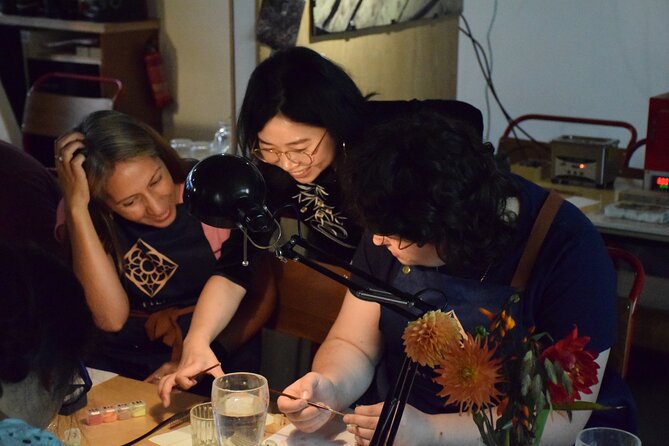
I like the choice of 40 designs and the fact that the price includes the main tools and materials. I also like the close instruction, especially with Mabel and the other instructors offering one-on-one help. The main thing to check is group size: the usual studio format is four people, but the stated maximum is eight, and one Christmas session had 12.
Key points to know before booking
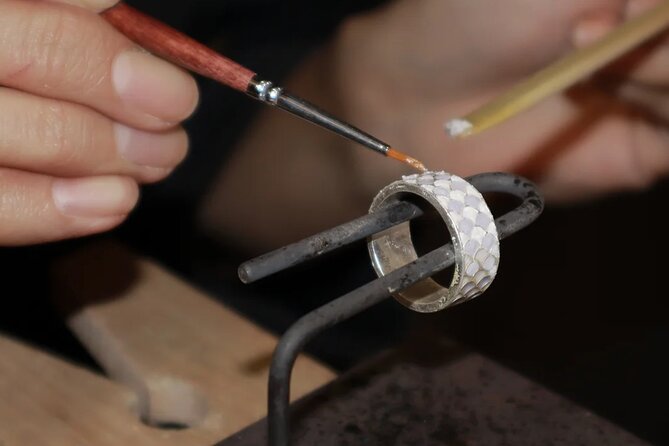
- Choose from about 40 silver blank designs, then file and prepare your chosen piece by hand.
- Learn real enamel techniques, including colour blending, layering, and design planning.
- Get kiln firing and polishing included, along with files, cutters, a rotary micromotor, and other workshop tools.
- Expect about two hours at 2pm, starting and ending at Zoey Filigree in Bedlam Mews.
- Beginners can take part, with personal guidance throughout the making process.
- Budget extra for optional silver accessories, including £10 chains, £20 medium blanks, and £50 large blanks.
Making jewellery instead of merely buying it

London has no shortage of shopping, but a small craft class gives you something a shop cannot: a personal connection to the object you take home. In this workshop, you begin with a silver blank and make decisions about shape, colour, and finish. The result should feel less like a souvenir and more like a small record of your afternoon.
The session lasts about two hours, which is long enough to learn the basic stages without turning into a full-day commitment. You will not become a professional enameller in one visit, but you should leave with a clearer sense of how the material behaves and how much patience the craft needs.
The class is aimed at beginners, so you do not need previous jewellery-making experience. That matters here because enamel work can look delicate and exacting. The instructor breaks it into manageable jobs: choose a blank, smooth it, plan your design, apply colour, fire it, and polish the result.
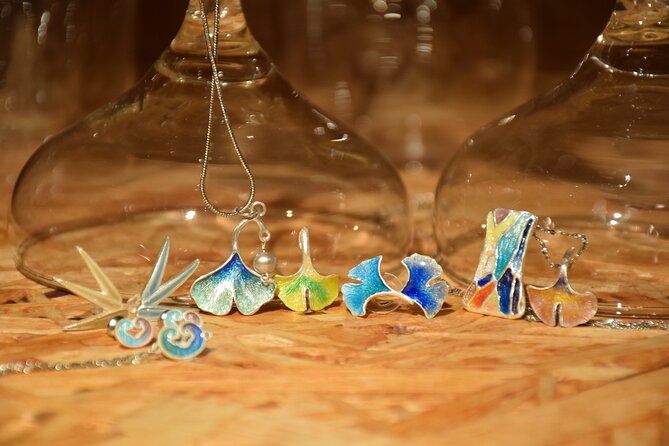
I especially like that you are not handed one fixed project. Choosing from around 40 designs gives you room to make something that suits your taste, instead of producing the same item as everyone else.
More Workshops in London
- Fully Guided Tour of Warner Bros Studio Tour London – The Making of Harry Potter
★ 4.5 · 722 reviews - London Traditional English Scone Making and Tea Workshop
★ 5.0 · 271 reviews - Pasta Making with Unlimited Prosecco in London’s West End
★ 5.0 · 264 reviews
Arriving at Zoey Filigree at 2pm
The meeting point is Zoey Filigree, Bedlam Mews, London, postcode SE11 6DF. The class starts at 2pm and ends back at the same place. The venue is near public transportation, which makes it practical to fit into a wider London day.
Allow yourself enough time to find the studio and settle in. The supplied details do not give a recommended arrival time, so I would avoid cutting it close. A craft class has several stages, and arriving flustered is not the best way to begin a design project.
The booking uses a mobile ticket, and the class is offered in English. Service animals are allowed, and most people can participate. If you have particular mobility or access needs beyond that information, contact the operator before booking rather than relying on assumptions.
The exact group size deserves a careful note. The class is presented as an intimate experience of no more than four, and the response to one larger session says the normal studio arrangement is a group of four. However, the additional booking information gives a maximum of eight, while a Christmas special had 12 people. If personal instruction is important to you, ask about the group size for your date.
Starting with enamel, silver, and design
The opening part gives you the basic language of the craft. You learn what enamel is, how it is used, and how enamel jewellery has developed. You are also introduced to styles such as cloisonné and plique-à-jour, along with the broad process of making an enamel piece.
This introduction is useful because it gives meaning to the practical steps that follow. Enamel is not simply paint for metal. Colour, layering, heat, and surface preparation all affect the final appearance, so knowing the basic ideas helps you make better choices once you begin.
You also get to see examples of work made by earlier participants. That can help you picture the range of results possible in a short session. It is worth remembering that your first piece may have small irregularities. Those marks are part of learning a hands-on craft, not evidence that you have done something wrong.
The lesson includes different techniques and styles, but the supplied details do not promise that you will make a full cloisonné or plique-à-jour piece during the two hours. Treat those topics as useful background rather than a guarantee of a separate finished project in every style.
Choosing one of 40 silver blanks
After the introduction, you choose a blank from roughly 40 designs. This is one of the strongest parts of the experience because the shape sets the direction for everything that follows.
The available designs are included in the core activity, but larger or different silver blanks cost extra. The additional prices are £20 for a medium blank and £50 for a large blank. Ask about the cost before changing your selection so that the final price does not surprise you.
Once you have chosen, you work on the blank with files and other tools. Filing is not just a technical chore. It helps smooth the edges and prepares the surface for later stages. You may find that this takes more care than expected, especially if you are eager to reach the colourful part.
The materials supplied include fine silver blanks, accessories for the making process, files, cutters, sandpaper, a polishing compound bar, enamel colour palettes, and colour lead. The full equipment list also includes a kiln and rotary micromotor. Having these items ready is a real benefit for a first attempt, since buying jewellery tools for one afternoon would make the activity far less practical.
Same part of England, a completely different sort of day:
- London Big Bus Hop-On Hop-Off Tour with Optional River Cruise
★ 3.5 · 10,803 reviews - London Small Group Tour of Historical Pubs
★ 5.0 · 10,422 reviews - Tower of London and Crown Jewels Exhibition Ticket
★ 4.5 · 6,677 reviews - Thorpe Park Admission Ticket
★ 4.0 · 5,915 reviews
Sketching colour before the kiln
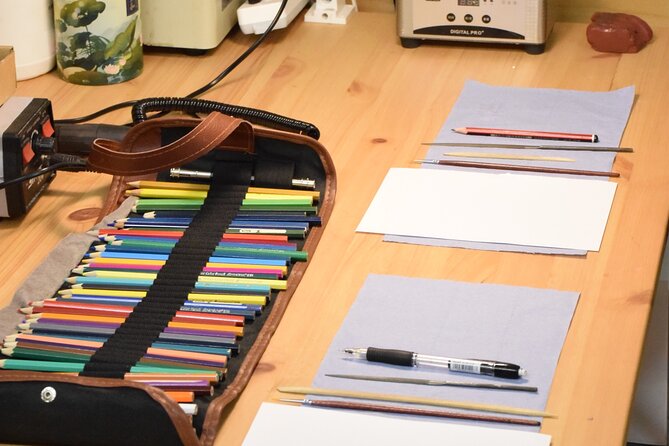
You then move to paper and pencil to plan the design. This is a small but important stage. Enamel colour can change the whole character of a piece, and a quick sketch lets you test an idea before applying powder to silver.
Your instructor demonstrates how to use enamel powder and helps with blending, layering, and creating the effect you want. The guidance is personal rather than purely theoretical, with help available as you work on your own project.
This is where the class earns much of its value. A written guide could explain the steps, but it could not easily tell you why a layer looks uneven or how to adjust a colour choice on the spot. The instructors can respond to what you are actually making.
Mabel is one instructor associated with the workshop, and the feedback about her points to a fun, talented teaching style. The class also has other instructors, so your teacher may not be Mabel on every date. If learning with a particular instructor matters to you, confirm that before booking.
Do not rush the colour plan. A simple design is often a sensible first choice, especially when you are also learning how to handle the powder and prepare the metal. The aim is not to fill every space with as many colours as possible. A clear idea usually gives you more control.
Kiln firing and the change under heat
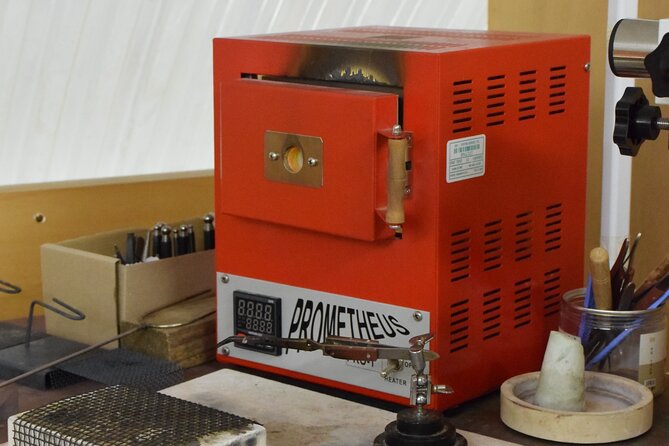
When your enamel has been applied, the piece goes into the kiln for baking. This is the moment when the workshop feels different from an ordinary drawing or craft class. Heat changes the surface, and the final effect is not fully apparent until the firing is complete.
The kiln stage also explains why careful preparation matters. Any rough filing, uneven application, or uncertain layering can affect the finished piece. Your instructor’s help before firing is therefore important, since you cannot simply edit the design after it has been heated.
The information provided does not state how long each firing takes or whether the entire group’s pieces are fired together. For that reason, you should not expect a long demonstration of kiln operation or a technical lesson in firing temperatures. The clear promise is that your piece is put in the kiln as part of the class.
Once it comes out, you can see how the colours and surface have developed. This gives the activity a satisfying sense of change, from a plain blank to a finished piece with its own pattern.
Polishing the finished piece
The last stage is finishing and polishing. You use the available tools and polishing compound to improve the surface and prepare the piece for wearing or display.
This final work is easy to underestimate. A piece can have a good colour plan but still look unfinished around the edges. Filing and polishing help bring the separate stages together, giving you a chance to see the connection between preparation and presentation.
The class includes the main materials and tools, but not every accessory. Silver chains cost £10, while medium and large silver blanks cost £20 and £50. If you want to wear a pendant as soon as you leave, add the chain to your budget.
The supplied information refers to enamel jewellery pieces, including a pin and necklace made in one session. What you make will depend on your chosen blank and the accessory you select, so ask the instructor what finishing options suit your design.
What the £94.10 price really covers
At $94.10 per person, this is not a cheap drop-in craft activity. The fair question is what you receive for the money. The price covers about two hours of instruction, the silver blank choices in the standard range, enamel materials, and access to specialist equipment such as a kiln and rotary micromotor.
That equipment is the key value. You are paying for guided access to tools that would be costly and inconvenient to arrange at home, plus the chance to have your piece fired and polished during the session.
You should allow extra money if you want a chain, a medium blank, or a large blank. The £10 chain is a modest addition, while the £50 large blank can change the total substantially. Check the blank and accessory prices before the class begins.
I would call the price reasonable for someone who values instruction and a finished handmade object. It is less convincing for a person who wants only a quick souvenir or a very cheap activity. The smaller the group, the better the value feels, since personal guidance is a major part of what you are buying.
The experience is booked, on average, 47 days ahead. That suggests you should plan early if your London dates are fixed, especially since the usual group is small.
Who will enjoy this London workshop
This class suits you if you like making things with your hands and want a London activity that is more personal than sightseeing. It also works well for a couple, friends, or a solo visitor who enjoys learning a practical skill.
Beginners are specifically welcome. You do not need to arrive with knowledge of enamel techniques, and all core tools and materials are supplied. The instructor guides you through the process rather than expecting you to work out the kiln, powder, and polishing stages alone.
It may be less suitable if you want a fully relaxed activity with no decisions. You choose the design, plan the colours, and take part in filing and finishing. That involvement is the point, but it means you need to pay attention.
I would also think carefully about group size. A four-person class should feel personal. A larger session may mean more waiting for help, especially during the fiddly stages. The Christmas special with 12 people was described as somewhat chaotic, although it still produced a good experience. Ask directly how many people are booked for your date.
Booking, cancellation, and practical details
You receive confirmation at booking unless you book within seven days of the activity. In that case, confirmation is expected within 48 hours and remains subject to availability.
Free cancellation is available up to 24 hours before the start time for a full refund. Changes or cancellations made inside 24 hours are not accepted for a refund. The cut-off uses local London time, so keep that in mind if you are booking from another time zone.
The policy also says the activity requires good weather and may be canceled if conditions are poor. That is worth checking because the class takes place indoors, but the stated policy still applies. If the operator cancels for weather or because the minimum number of participants is not reached, you are offered another date or experience, or a full refund.
Should you book the enamel jewellery class?
Book it if you want a small, creative London experience with a real object to take away. The strongest reasons are the wide choice of blanks, access to specialist tools, kiln firing, and one-on-one help with colour and technique.
I would book well ahead and confirm the group size before paying. Bring an open mind, keep your first design manageable, and budget for a chain or upgraded blank if you want one. At $94.10, the class is best value for someone who wants instruction and a handmade result, not simply two hours of entertainment.
If that sounds like your kind of afternoon, this is a thoughtful alternative to another museum visit or shopping trip. You leave with new skills, a clearer idea of how enamel jewellery is made, and a piece that carries your own choices from sketchbook to kiln.
FAQ
How long does the enamel jewellery class last?
The workshop lasts approximately two hours.
What time does the class start?
The stated start time is 2pm.
Where does the workshop begin and end?
It begins and ends at Zoey Filigree, Bedlam Mews, London, postcode SE11 6DF.
Is the class suitable for beginners?
Yes. Beginners are welcome, and the instructor provides guidance through the design, enamel application, kiln firing, and finishing stages.
Are tools and materials included?
Yes. The booking includes the main materials and tools, including files, cutters, enamel supplies, a kiln, a rotary micromotor, sandpaper, and polishing compound.
Are silver chains included?
No. Silver chains are an optional extra and cost £10.
How much do larger silver blanks cost?
Medium silver blanks cost £20, and large silver blanks cost £50. These are additional charges.
Can I cancel for a full refund?
Yes. You can cancel at least 24 hours before the start time for a full refund. Cancellations or changes made less than 24 hours before the activity are not accepted for a refund.
Just added around London
- London Private Jack The Ripper Tour★ 5.0 · 9 reviews
- Private Spy Walking Tour of London★ 5.0 · 6 reviews
- Private Shoreditch Street Photography Workshop★ 4.5 · 4 reviews
- Private Sightseeing Walking Tour of The City Of London★ 5.0 · 3 reviews
- Private 2.5 Hour Taxi Tour of London – London’s Greatest Bits!★ 5.0 · 4 reviews
- Private Round Trip Transfer between London Airports and Hotel★ 3.5 · 56 reviews
- Shakespeare London Walking Tour★ 5.0 · 26 reviews
- Private Rock ‘n’ Roll Music Tour of Central London★ 5.0 · 7 reviews
Workshops, compared.

Fully Guided Tour of Warner Bros Studio Tour London – The Making of Harry Potter
Read our review →
Warner Bros. Studio Tour London – The Making of Harry Potter and Oxford Day Trip
Read our review →

London Traditional English Scone Making and Tea Workshop
Read our review →
Pasta Making with Unlimited Prosecco in London’s West End
Read our review →


Browse the lists this tour appears in