
Reviewed · HISTORICAL TOURS
Inspirational Women Liverpool Past-Present History Tour – monthly
Liverpool’s Inspirational Women History Tour shifts attention away from the usual Beatles and waterfront story. Starting at Liverpool Cathedral, it follows a compact route through the city centre, linking stained glass, medicine, education, theatre, social reform, suffrage, and the women whose work helped shape Liverpool.
I like the thoughtful route and the way the tour puts buildings to work as evidence. I also like the personal touch from guides Pam and Jean, who bring clear enthusiasm and adapt the pace when needed. The main drawback is that two hours cannot give every woman more than a brief introduction, and some slopes, cobbles, and busy streets require care.
At a glance
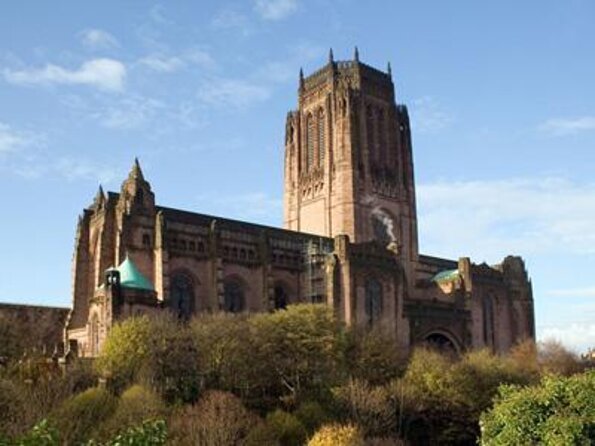
- Begins with women in stained glass: Liverpool Cathedral’s Lady Chapel sets the tone with its windows and a work by a major modern female sculptor.
- Connects history to real places: Blackburne House, Rodney Street, Mount Pleasant, and the two cathedrals each reveal a different part of women’s lives.
- Includes suffrage and social reform: Everyman Theatre, William Brown Street, and St George’s Hall bring political activism into the walk.
- Led by passionate guides: Pam is frequently named as the guide, while Jean also leads the tour.
- Easy to fit into a Liverpool visit: The walk takes about two hours, runs monthly, and ends near St George’s Hall.
- Best with practical footwear: Expect uneven surfaces, cobbles, slopes, and some busy areas. Comfortable non-slip shoes are a wise choice.
Why this Liverpool walk feels different
Many city walks give you a list of famous men, grand buildings, and major events. This one asks you to notice who is missing from that familiar account. The subject is not limited to famous suffragists. It reaches into medicine, public health, education, philanthropy, the arts, nursing, and family welfare.
I like that the route is not built around one museum or one memorial. Instead, you move through ordinary streets and important civic spaces, hearing how women influenced the city from places where they studied, worked, campaigned, cared for others, or challenged the rules of their time.
The price is $31.58 per person. For that fee, you get about two hours of guiding and admission to Liverpool Cathedral by donation is included. The route has ten stops, so the value comes from the guide’s interpretation rather than paid attractions or long indoor visits.
That distinction matters. You are paying for a focused history walk, not a full-day sightseeing package. If you want several museums, substantial time inside both cathedrals, or long visits at each location, this will feel short. If you want a lively introduction that helps you understand Liverpool’s streets, the price is fair.
More Historical Tours in Liverpool
- A Walk Through Time: History of Liverpool Walking Tour
★ 5.0 · 911 reviews - Best Of Liverpool Heritage, History & Culture Guided Walking Tour
★ 5.0 · 539 reviews - History Guided Tour of Liverpool and the Beatles
★ 5.0 · 408 reviews
Liverpool Cathedral and the Lady Chapel
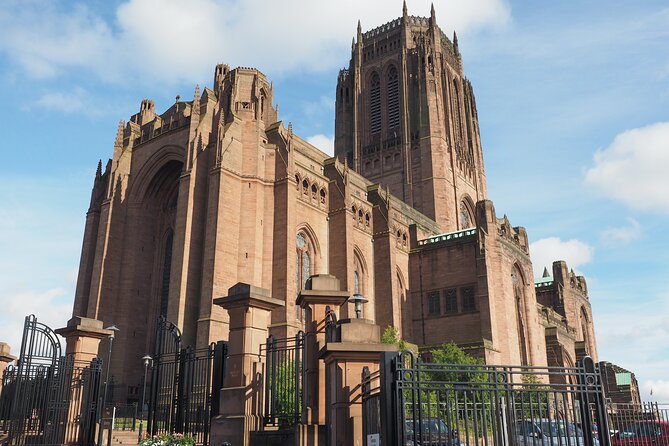
The tour begins at Liverpool Cathedral on St James’ Mount at 10:30 am. The first stop takes about 20 minutes, making it the longest pause of the morning and an effective opening.
Inside the Lady Chapel, you learn about women represented in the stained-glass windows and the influence they had on Liverpool’s development. The chapel also contains one of the final works by a major female sculptor of the modern era. The experience begins with visual evidence rather than a dry list of names, which gives the subject a human scale.
The cathedral admission is included by donation, a useful detail when comparing this walk with other paid city tours. You should still allow time to look around, but the schedule is built around a short visit rather than a full cathedral tour.
From here, the walk moves downhill and through central Liverpool. That transition is worth noting if you use a wheelchair or have difficulty with slopes. One group was able to continue with help from others, and the guide adjusted the route and timing for older members. Still, the uneven surfaces mean you should ask about your needs before booking rather than assume every part will be easy.
Blackburne House and the education of girls
Blackburne House is a Grade II listed building with an important connection to the education of girls and women. The stop lasts about ten minutes.
The value here is the reminder that access to education was not simply a matter of opening a classroom door. Institutions such as this helped create opportunities for women at a time when formal education and professional careers were far less open to them.
You will hear about notable former pupils and the building’s wider role. Since the stop is brief, you should expect a focused explanation from outside or during a short visit, not a long academic tour. It is one of the places where the guide helps you read Liverpool’s architecture as part of its social story.
Rodney Street and women in medicine
Rodney Street was once known as the Harley Street of the North. Here, the focus turns to prominent female residents and the barriers women faced in medicine.
This section works well because it connects a grand residential street with the question of who was allowed to practise, study, and gain professional respect. The tour does not treat women’s progress as automatic. It highlights the obstacles they had to overcome before they could shape medical care and public health.
The stop is only about ten minutes, so the guide must make careful choices. That suits the walking format. You get a few memorable figures and a clear sense of the wider struggle, then move on before the pace becomes heavy.
Same part of England, a completely different sort of day:
- Beatles Magical Mystery Tour
★ 5.0 · 9,266 reviews - Liverpool: “Blue Route” – City & Beatles Tour
★ 5.0 · 8,562 reviews - Liverpool City Sights Hop On Hop Off City Tour – 24hr Ticket
★ 4.5 · 2,555 reviews - The LFC Stadium Tour
★ 5.0 · 1,548 reviews
Everyman Theatre and the old Hope Hall
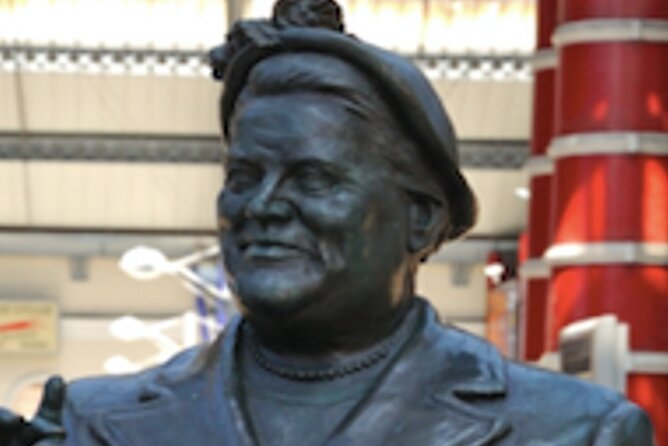
At the Everyman Theatre, you learn about the site’s earlier life as Hope Hall. Its bohemian atmosphere and political edge connect it with ground-breaking movements, including the suffragettes.
This is a useful change of mood. The tour moves from classrooms and medical work into performance, debate, and public campaigning. It shows that the fight for women’s rights was not confined to formal political meetings. Culture and public gathering places also gave people room to question accepted ideas.
The theatre stop lasts about ten minutes. You should expect a story about the character of the place and its links to reform movements, not a performance or a backstage visit.
Mount Pleasant and the struggle for better health
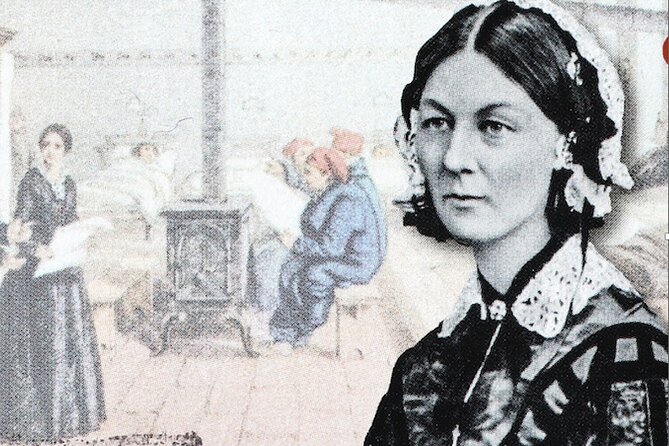
Mount Pleasant has a long link with medicine. Here, the guide introduces women from Liverpool who influenced medicine, education, and health services around the turn of the 20th century.
This part of the walk is especially useful if you want more than a suffrage story. It places women’s achievements within practical work: caring for families, improving health, building services, and gaining professional standing.
The route also gives context to names such as Kitty Wilkinson and Josephine Butler, two figures singled out by the guide’s regular subjects as especially worth learning more about. You should not expect a full biography of either woman in ten minutes, but you will leave with a reason to explore their lives further.
Pembroke Place and the red-brick universities
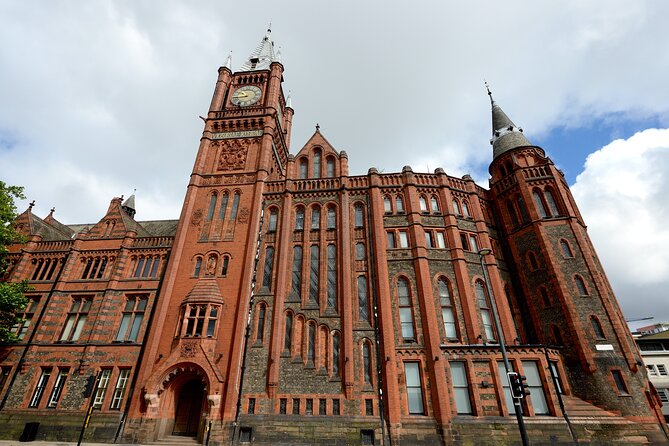
Pembroke Place brings education back into view, this time through the rise of the red-brick universities and their female alumni.
The stop introduces pioneering women connected with the area, including a major philanthropist who campaigned for women’s rights and family welfare in the early 1900s. The exact balance between university history, individual biographies, and social reform may depend on the guide, but the theme is clear: education gave women tools to work in public life and challenge established systems.
This is one of the stops where local knowledge adds real value. You may pass the area without understanding why its institutions mattered. The walk makes those links visible without asking you to spend an entire afternoon inside a campus or archive.
Liverpool’s Catholic Cathedral and the Nightingale nurses
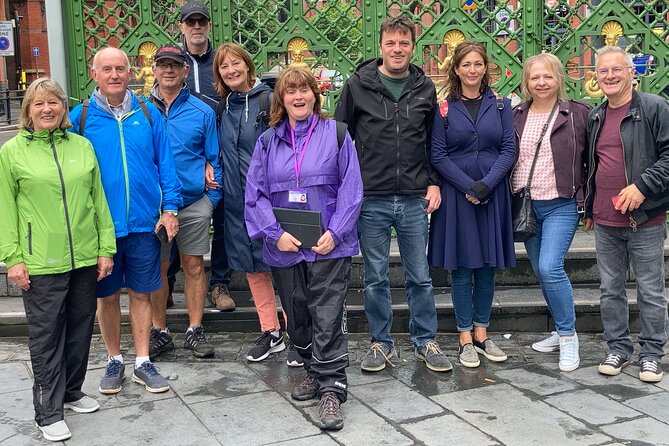
The Metropolitan Cathedral of Christ the King provides another change of setting. The ten-minute stop covers the history of the Catholic cathedral, its links with the Nightingale nurses, and the work of a leading 19th-century reformer who supported legislation for women and families.
The subject here includes tragedy, but the emphasis is also on practical reform. That balance matters. Women’s history is often presented only through hardship. This tour also asks what people did with difficult experiences and how their efforts changed laws, services, and public attitudes.
The cathedral is free to visit as part of the walking route. Because the stop is short, you should treat it as an introduction to the building and its connections, not a detailed architectural tour.
Lime Street and a woman remembered in song
Lime Street brings a more familiar kind of Liverpool storytelling. The guide discusses the area’s notorious 19th-century reputation and one woman who later appeared in several well-known Liverpool songs.
This stop links social history with popular culture. It is also a reminder that women can survive in public memory in complicated ways, sometimes through music rather than statues, official records, or schoolbooks.
The subject is likely to interest you if you enjoy the city’s folklore and song traditions. If you prefer a strictly academic approach, this is a lighter section, but it gives the walk some variety before the final civic buildings.
William Brown Street and the Walker Art Gallery
On William Brown Street, the tour passes sites associated with social and political union meetings in the early 1900s. The route then reaches the Walker Art Gallery, often described as the national gallery of the North.
Here, the discussion turns to women connected with the gallery and to women whose work remains on display. That makes the stop feel current rather than sealed in the past. You are not only hearing about women who campaigned generations ago. You are also being encouraged to notice their presence in a public cultural institution.
The gallery itself is a useful place to continue after the walk, though the tour does not include an extended gallery visit. If art is a major interest, plan separate time for the collection instead of expecting the ten-minute stop to cover it.
St George’s Hall and the final lesson
The walk ends beside St George’s Hall, a Grade I listed Neoclassical building. The final discussion covers its role in the suffragist movement and an unexpected connection with modern cookery.
That last subject gives the tour a playful finish. It also reinforces the central idea that women’s influence reaches into areas people often treat as separate from politics, including food, domestic life, education, and public culture.
Ending here is practical. St George’s Hall is close to Lime Street station and the central city, so you can continue sightseeing, find lunch, or visit the Walker Art Gallery after the walk. The start and finish are not at the same place, but both are central enough to fit into a day in Liverpool.
Guide style and group size
The maximum group size is 26 people. That is large enough to create a social atmosphere but still small enough for a guide to address the group while walking. You should expect to pause on pavements and public streets rather than spend most of the time in private rooms.
Pam is the name most closely associated with this experience. She is described as friendly, interactive, and highly informed, with a clear passion for bringing overlooked women back into Liverpool’s story. Jean also leads the walk and is known for a lively, enthusiastic approach.
The strongest feature is the guide’s ability to make the subject personal. Pam has adjusted the route for older members of a group and made sure people felt included. That flexibility matters more than a memorized speech, especially on a walk with slopes, traffic, and uneven ground.
The monthly schedule is worth checking carefully. Since the experience is not offered every day, it may require planning ahead. It is booked an average of 43 days in advance, so I would not leave it until the last morning of a short Liverpool visit.
Walking conditions and practical advice
This is described as an easy walking tour, but easy does not mean perfectly flat. You will pass over cobbles and uneven surfaces, and the route includes slopes and busy areas. Wear comfortable non-slip shoes, carry water, and use sunscreen on sunny days, including in winter.
Children under 16 must be accompanied by an adult. Well-behaved dogs are welcome, though you should remember that the group will sometimes move through crowded public areas. Service animals are allowed.
The tour requires good weather. If poor weather causes cancellation, you can choose another date or receive a full refund. You can also cancel for a full refund up to 24 hours before the 10:30 am start. Changes or cancellations inside that period are not accepted.
The mobile ticket keeps arrival simple. Begin at Liverpool Cathedral, St James’ Mount, and finish at St George’s Hall. Since the route is one way, think about where you want to go afterward before setting out.
Who should book this walk?
I would choose this tour if you enjoy social history, women’s rights, local personalities, and places that reward a closer look. It suits first-time visitors who want a different side of Liverpool, as well as local people who already know the centre but want the stories behind familiar streets.
It is also a good choice for a small family group, friends, or anyone looking for a thoughtful activity around International Women’s Day. Men are welcome, too. The themes concern equality and public life, not only women’s experiences.
I would hesitate if you want a fast route through Liverpool’s headline sights, a full indoor cathedral visit, or a tour focused mainly on architecture. The ten-minute stops create breadth, not exhaustive detail. You will get the most from it if you listen closely, note down names that interest you, and continue exploring afterward.
Should you book the Inspirational Women Liverpool Tour?
Book it if you want a well-priced, focused walk that corrects the usual city story and shows how women shaped Liverpool through education, medicine, reform, art, nursing, politics, and public service.
The best reason to go is the guide. Pam and Jean bring warmth and energy to a subject that could otherwise become a list of dates. Just allow for uneven streets, check the monthly date early, and wear shoes suited to cobbles.
At $31.58, this is good value for a two-hour introduction, especially with Liverpool Cathedral admission by donation included. It is not a substitute for the Walker Art Gallery or either cathedral, but it can make those places more meaningful when you visit them on your own.
FAQ
How long does the Inspirational Women Liverpool History Tour last?
The walk lasts approximately two hours.
Where does the tour start and finish?
It starts at Liverpool Cathedral, St James’ Mount, Liverpool L1 7AZ, and ends at St George’s Hall, St George’s Place, Liverpool L1 1JJ.
What time does the tour begin?
The scheduled start time is 10:30 am.
Is admission to Liverpool Cathedral included?
Yes. Admission to the cathedral by donation is included in the ticket price.
Is the walking route suitable for everyone?
Most people can take part, and the tour is described as an easy walk. You should still wear comfortable non-slip shoes because the route includes uneven surfaces, cobbles, slopes, and busy areas.
Can I cancel for a refund?
You can cancel at least 24 hours before the start time for a full refund. Cancellations or changes made less than 24 hours before the start are not accepted. If poor weather causes the tour to be canceled, you will be offered another date or a full refund.
Just added around Liverpool
- Private Transfer from London & All London Airports to Liverpool★ 5.0 · 3 reviews
- Liverpool and The Beatles 2 Day Rail Tour from London with Hotel★ 4.0 · 10 reviews
- Beatles Magical Mystery Tour★ 5.0 · 69 reviews
- Beatles and Rock Superstars – Private Taxi Tour with Hotel Pickup★ 5.0 · 9 reviews
- Half Day Welcome to Liverpool Walking Tour★ 5.0 · 17 reviews
- LIVERPOOL: Yorkshire Adventure – Sightseeing Day Trip Tour★ 5.0 · 13 reviews
- Fun, Flexible Treasure Hunt Around Liverpool with Cryptic Clues & Hidden Gems★ 5.0 · 141 reviews
- Beatles Ticket To Ride Half Day Tour Small Groups★ 5.0 · 60 reviews
Historical Tours, compared.
Stonehenge and Bath Day Trip from London with Optional Roman Baths Visit
Read our review →
Shadows of York: Ghost Walk and Horrible History.
Read our review →

Fascinating Walking Tours Of Roman Chester With An Authentic Roman Soldier
Read our review →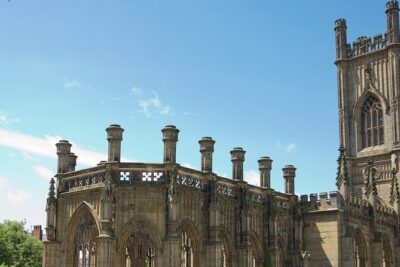
A Walk Through Time: History of Liverpool Walking Tour
Read our review →
Royal Historic Pubs Walking Guided Tour in London
Read our review →Browse the lists this tour appears in