
Reviewed · WALKING TOURS
Fashion History Walking Tour in London
London’s fashion story is also a story about power, money, and place. This 90-minute walk links the Barbican, St. Paul’s Cathedral, the Square Mile, and the Bank of England, showing how clothing shaped daily life and how shopping helped shape the city itself.
I like the focused route and the small maximum group of 15. I also like the fresh angle: you are not simply looking at grand buildings, but asking who dressed for them, what those clothes signaled, and how London’s dress codes changed. The main drawback is the short running time. You cover several major areas in only half an hour each, so this is a brisk introduction rather than a full fashion-history course.
Key points to know
- Fashion gives the City a new point of view: You connect clothing with status, work, shopping, and public life.
- The route runs from Barbican to Bank: The walk covers Barbican Highwalk, St. Paul’s Cathedral, and the Bank of England.
- The group is limited to 15 people: That makes it easier to ask the guide questions.
- The Royal Exchange adds a strong shopping connection: You visit the area around London’s oldest shopping mall.
- The tour is short and easy to plan: It begins at 2:00 pm and lasts about 90 minutes.
- The price is modest for a guided London walk: At $27.43 per person, the value rests on the guide’s interpretation rather than paid admissions.
Why London fashion belongs in the City
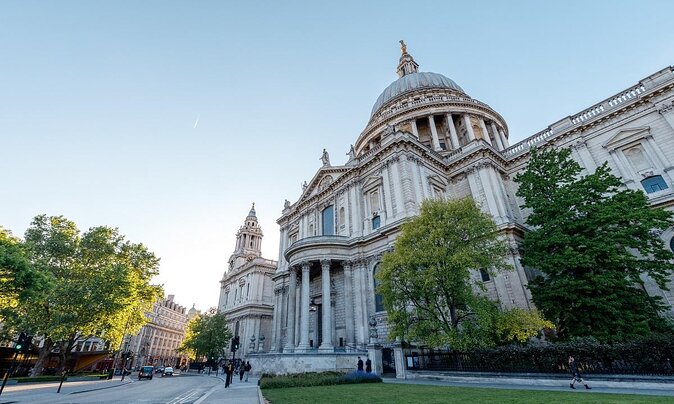
Many visitors see London fashion as a West End subject: department stores, designer labels, and famous shopping streets. This walk takes a different route. It begins in the City of London, where commerce, banking, religion, and public ceremony have long overlapped.
That makes the subject more useful than a simple list of clothing trends. As you move through the route, you learn how dress could signal rank, profession, wealth, and respectability. You also look at the ways fashion influenced the city around it.
The walk is built around questions. Why did certain places call for special clothing? How did people know what to wear in formal settings? What did the City’s shopping streets offer, and who used them? Your guide explains London’s changing dress codes and leaves room for questions about local fashion history.
I like this approach because it gives familiar places a new purpose. You may already plan to see St. Paul’s or walk through Bank, but the fashion angle encourages you to notice social rules that are easy to miss when you focus only on architecture.
More Historical Tours in London
- London Small Group Tour of Historical Pubs
★ 5.0 · 10,422 reviews - Soho Music & Historic Pubs Tour
★ 5.0 · 1,993 reviews - Royal Historic Pubs Walking Guided Tour in London
★ 5.0 · 803 reviews
Barbican Highwalk: fashion beside concrete and towers
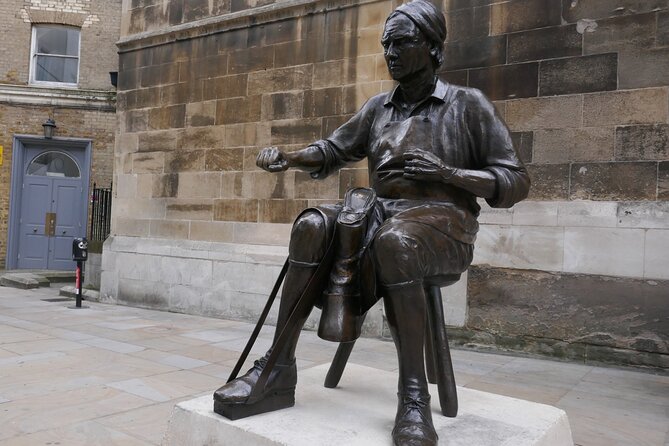
The first 30 minutes take place in and around the Barbican Estate. The area is known for its bold postwar architecture, raised walkways, and concrete housing blocks, so it may seem like an unlikely place to begin a fashion tour.
That contrast is part of the appeal. The guide uses the neighborhood to explore the history of the fashion industry in this part of London. You begin by considering how clothing businesses and the people connected to them fit into a changing urban district.
The Barbican Highwalk also gives the tour a useful opening setting. You are not starting inside a museum or a shop. You are walking through a modern public space and using it to ask how London’s clothing trade related to the wider city.
This section includes no admission charge, and the stop is designed as a walking and explanation segment rather than a ticketed attraction. That keeps the pace simple, but it also means the quality of the first half hour depends heavily on the guide’s storytelling.
The route may appeal most to you if you enjoy city history that crosses subjects. If you want a hands-on fashion exhibit or a chance to shop, this is not that kind of tour. If you like finding an unexpected connection between urban design and clothing, the Barbican is a smart starting point.
St. Paul’s Cathedral: dress, status, and public life
The second 30-minute section moves to the area around St. Paul’s Cathedral. This is one of London’s most recognizable settings, but the tour asks you to look beyond the dome and stonework.
Here, the guide focuses on the area’s place in fashion history. The subject is not limited to garments. It includes the social expectations attached to them, including how people dressed for important institutions, public occasions, and different levels of status.
This is where the tour’s central theme becomes clearest. Clothing is a form of communication. A dress code can tell you who belongs in a setting, who holds authority, and what behavior a place expects.
You should expect to spend the time walking and listening around the cathedral area, not touring the cathedral interior. The experience does not include an admission ticket to St. Paul’s, and the route is about the surrounding streets and their connections to fashion.
That distinction matters when you set expectations. If you want to visit the cathedral itself, you will need to plan that separately. If you have already seen it, this tour can give the familiar landmark a different role in your London sightseeing.
The Square Mile: shopping streets and historic alleys
After St. Paul’s, the walk continues through the City’s shopping streets and historic alleys. This section brings the commercial side of fashion into sharper view.
London’s shopping areas are not only places where people buy things. They also show how the city organizes class, work, taste, and public behavior. A guide can connect the streets you pass with the types of customers, businesses, and social rules that developed around them.
I like that the tour keeps moving through real streets rather than placing the whole subject inside a display room. You get a sense of fashion as part of city life, not as an isolated subject reserved for museums or luxury brands.
The route also gives you a chance to ask questions. The information says the guide is available to discuss local fashion history, so come prepared with something specific you want to know. You might ask about changing dress codes, shopping traditions, or how the City’s commercial identity affected clothing.
The pace could feel quick if you want long stops for photographs or detailed architectural study. The full route lasts about 90 minutes, with roughly 30 minutes devoted to each main area. You are gaining a broad view, not stopping for an extended examination of every street.
More Walking Tours in London
- Tour for Muggles The Ultimate Harry Potter Walking Tour in London
★ 5.0 · 4,684 reviews - London Jack The Ripper Guided Walking Tour
★ 5.0 · 3,131 reviews - Changing of the Guard Guided Walking Tour in London
★ 5.0 · 1,793 reviews - The Great British Rock and Roll Walking Tour
★ 5.0 · 1,371 reviews
The Royal Exchange and London’s oldest shopping mall
The Royal Exchange is one of the strongest details in this experience. The tour visits the area around London’s oldest shopping mall, linking fashion with the City’s long commercial life.
This is an important stop because it helps explain why shopping belongs in a discussion of London’s identity. Fashion depends on trade, buyers, sellers, money, and places where people gather to see and be seen. The Royal Exchange area brings those ideas together.
You should not expect a dedicated shopping session or discounts at individual stores. The value here comes from context. The guide helps you understand why this part of London mattered and how commerce shaped the city’s public image.
The area also makes a practical midpoint or late-tour reference point. You are moving from the Barbican’s modernist setting toward the financial center, with fashion acting as the thread between them.
Bank of England: what dress codes mean today
The tour finishes outside the Bank of England, after a walk through City streets and alleys. The final 30 minutes focus on the City’s dress codes today.
This brings the tour into the present. Instead of treating clothing as something from the past, the guide asks how people still use dress to communicate professionalism, authority, tradition, and belonging.
The Bank of England is a fitting place to end because it connects clothing with finance and formal public life. The surrounding streets also provide a clear contrast with the Barbican. By this point, you have moved through several kinds of London space, and you can compare how each setting suggests different clothing rules.
The walk ends near Bank Underground station, which is convenient if you want to continue sightseeing or return to your hotel. The end point is outside the Bank of England on Threadneedle Street, not back at the Barbican, so plan your day around a one-way walk.
What $27.43 buys you
At $27.43 per person, this is priced as an affordable guided city walk. There are no separate admission charges in the tour, and the stated inclusions cover fees and taxes. You are paying mainly for the guide’s time, route planning, and interpretation.
That is good value if you enjoy learning through conversation and place. A guide can connect the Barbican, St. Paul’s, the Royal Exchange, and the Bank of England in a way that a self-guided stroll may not.
The value is less clear if you want a long, detailed fashion lecture or an indoor collection of historic clothing. The tour has only 90 minutes and includes no snacks or paid attractions. You will need to judge it as a compact introduction.
I would compare the price with what you want from a London tour. For a low-cost way to add structure and a new subject to a central London walk, it makes sense. For a specialist fashion course, you may want something longer.
Timing, group size, and practical comfort
The walk begins at 2:00 pm at Underground Ltd on Aldersgate Street in the Barbican area. That start time works well after a morning attraction, though you should leave enough time to reach the meeting point without rushing.
The experience is offered in English. The group can include up to 15 people, which is a useful limit for a walking tour. A group of that size can still feel social, but it should be easier to hear the guide and ask questions than on a large coach-style outing.
The tour is near public transportation, and it ends by Bank Underground station. Since the route is one-way, avoid leaving your main belongings at the starting point or assuming you will return to Barbican.
Most people can participate, and service animals are allowed. The details do not describe the walking surface, seating, or rest breaks, so you should ask the provider if you need specific mobility information. The route includes outdoor streets and walkways, and the experience lasts about an hour and a half.
The tour has free cancellation up to 24 hours before the start time. If you cancel or request changes within 24 hours, you will not receive a refund. That policy is simple, but it rewards planning ahead.
Who will enjoy this fashion walk
I would suggest this experience to you if you enjoy:
- London history explained through everyday life
- Clothing, social customs, and changing dress codes
- Small-group walking tours
- The City of London and its commercial past
- Short tours that fit around a larger sightseeing plan
- Asking a guide focused questions
It is also a good fit if you have already seen the main sights and want a new way to read them. The route does not depend on entering major attractions, so you can add it to a day built around other tickets.
I would be more cautious if you dislike walking, want extensive time inside attractions, or expect shopping opportunities. The tour visits shopping areas and the Royal Exchange area, but it is not presented as a shopping trip.
The experience also suits repeat visitors who think they already know central London. Fashion provides a fresh filter for streets you may otherwise cross without much thought.
How to get the most from the 90 minutes
Before you arrive, think of one question about London clothing or social rules. A focused question can make the discussion more useful than simply listening from stop to stop.
Wear comfortable shoes and plan for an outdoor walk. The tour moves through several central areas, and the short schedule means you will not want to lose time getting organized during the route.
Keep the one-way structure in mind. Start at Barbican Highwalk and finish at Bank, near Bank Underground station. If you are planning dinner or another attraction, the end point gives you a practical base for the next part of your afternoon.
I would also leave room after the tour if the subject catches your interest. Ninety minutes can introduce the theme, but you may want to visit a museum, shop, or historic site on your own afterward. The tour works best as a focused layer added to a broader London day.
Should you book the Fashion History Walking Tour?
Book it if you want an affordable, compact tour that connects clothing with London’s streets and institutions. The route is distinctive, the group size is manageable, and the final stop near Bank Underground station makes the walk easy to fit into a sightseeing schedule.
Skip it if you need a long specialist lecture, indoor exhibits, or a dedicated shopping experience. At about $27.43, the tour offers good value for a fresh interpretation of central London, but its appeal depends on enjoying stories, questions, and walking more than collecting fashion souvenirs.
FAQ
How long is the Fashion History Walking Tour?
The tour lasts approximately 1 hour and 30 minutes.
What time does the tour begin?
The tour starts at 2:00 pm.
Where does the tour meet?
The meeting point is Underground Ltd on Aldersgate Street in the Barbican area of London, EC1A 4JA.
Where does the tour end?
The tour ends outside the Bank of England on Threadneedle Street, London EC2R 8AH, near Bank Underground station.
What language is the tour offered in?
The tour is offered in English.
How many people can join the tour?
The maximum group size is 15 people.
Is admission to the stops included?
All fees and taxes are included, and the listed walking stops do not have an admission charge. Snacks are not included.
Are service animals allowed?
Yes. Service animals are allowed.
Can I cancel for a full refund?
Yes. You can cancel at least 24 hours before the start time for a full refund. Cancellations or changes made less than 24 hours before the start time are not accepted for a refund.
Just added around London
- London Private Jack The Ripper Tour★ 5.0 · 9 reviews
- Private Spy Walking Tour of London★ 5.0 · 6 reviews
- Private Shoreditch Street Photography Workshop★ 4.5 · 4 reviews
- Private Sightseeing Walking Tour of The City Of London★ 5.0 · 3 reviews
- Private 2.5 Hour Taxi Tour of London – London’s Greatest Bits!★ 5.0 · 4 reviews
- Private Round Trip Transfer between London Airports and Hotel★ 3.5 · 56 reviews
- Shakespeare London Walking Tour★ 5.0 · 26 reviews
- Private Prison Van Escape Game – London Immersive Experience★ 4.0 · 15 reviews
Walking Tours, compared.
Oxford University Walking Tour With University Alumni Guide
Read our review →
Tour for Muggles The Ultimate Harry Potter Walking Tour in London
Read our review →
Cambridge University Walking Tour by Alumni™ Kings College Option
Read our review →
Blackbeard to Banksy – The Ultimate Walking Tour of Bristol
Read our review →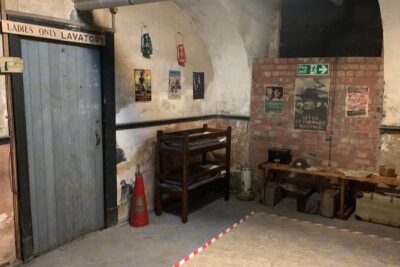
Air Raid Shelter + St. Nicholas Market Walking Tour
Read our review →
Walking Tour of Bath with Blue Badge Tourist Guide
Read our review →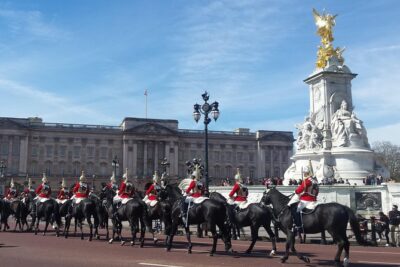
Changing of the Guard Guided Walking Tour in London
Read our review →Browse the lists this tour appears in