
Reviewed · FOOD TOURS
Beginner Foraging Walk: Wild food walking tour & tasters
The best part of this Isle of Wight walk is that it turns ordinary countryside into a pantry. With Joseph Thurbin, a lifelong forager and filmmaker, you learn how to spot edible plants and fungi, check your findings, and think about using them in your own kitchen. The walk covers about two miles and includes wild tasters along the way.
I like the beginner-friendly plant identification and the practical advice on photographing specimens so you can study them at home. I also like the setting near Niton, one of the island’s quieter corners, where the walk feels tied to the place rather than staged for tourists. The main drawback is that this is an outdoor countryside walk, so wet weather, uneven ground, food allergies, and limited mobility can make it a poor fit.
- Taste wild ingredients as you learn, rather than only hearing a lecture about them.
- Walk with Joseph Thurbin, a lifelong forager and filmmaker who explains how to identify plants and fungi.
- Learn a useful photo-checking method for studying finds after the tour.
- Follow a two-mile route beginning and ending at the large car park opposite The Buddle Inn.
- See the Isle of Wight’s quieter countryside around Niton, with about 1.5 hours on foot.
- Bring proper wet-weather gear, water, comfortable clothing, and a charged phone.
Why This Short Foraging Walk Works for Beginners
Foraging can look intimidating at first. A woodland floor may contain edible plants, useful herbs, poisonous lookalikes, and species that are best left alone. This walk gives you a controlled introduction, with Joseph showing you several plants and fungi that are considered approachable for someone starting out.
The value is not simply learning a list of names. You are learning a way of looking. Joseph explains basic identification, points out features to notice, and gives you ideas for kitchen use. That makes the walk more useful than a sightseeing stroll with a few plant facts added on.
You should still treat the tour as an introduction, not a license to collect and eat anything you find later. Plant identification takes practice, and fungi require particular care. Use the walk to build good habits: observe closely, take clear photographs, ask questions, and check a find properly before using it.
The tour is in English and has a live guide. It is designed for adults, with a minimum age of 18. That helps set the tone. You can focus on identification and food rather than keeping young children occupied on a countryside route.
Meeting Joseph at The Buddle Inn

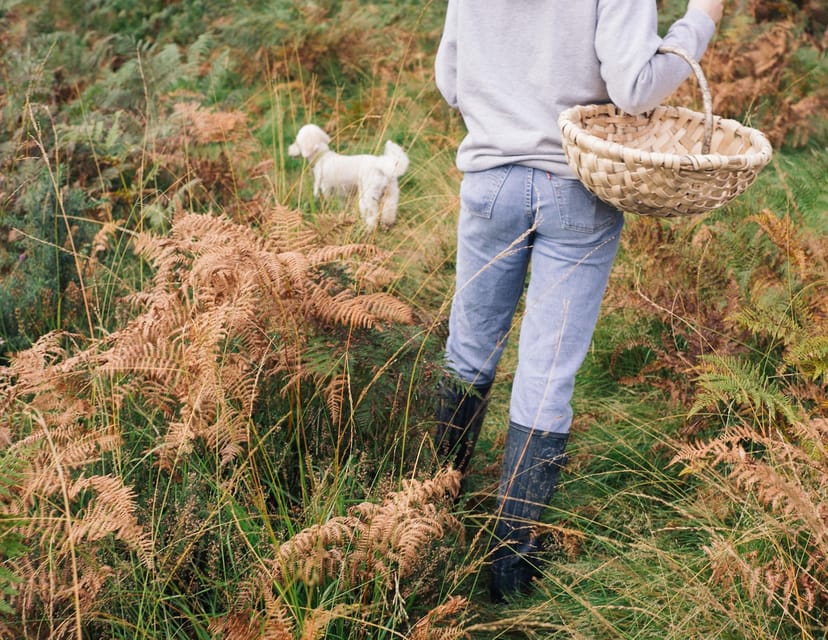
The walk begins at the large car park opposite The Buddle Inn in Niton. Look for Joseph carrying a foraging basket. The basket is a simple but useful meeting-point detail, especially if several people are arriving at the same place.
Niton can be reached by Southern Vectis Route 6, so you do not necessarily need a car. If you drive, check the parking arrangements and allow for a possible parking fee, which is not included in the tour price.
The start point also makes the outing easy to plan around. You are not being collected from one location and dropped at another. The route returns to the same meeting point, so your car, spare clothing, and other belongings remain where you left them.
Arrive ready to walk rather than expecting a long introduction indoors. The activity lasts around 1.5 hours, and the route covers about two miles. That is a manageable distance for many people with a reasonable level of fitness, but it is still a countryside walk rather than a paved town tour.
More food tours in England:
- London Bridge & Borough Market Food Tour with 7 Authentic Dishes
★ 5.0 · 1,972 reviews - London Foodie Adventure:More than 10 dishes with Sherpa Food Tour
★ 5.0 · 932 reviews - Eating London: Twilight Soho VIP Food & Drinks Tour
★ 5.0 · 590 reviews
Reading Plants and Fungi Along the Two-Mile Route
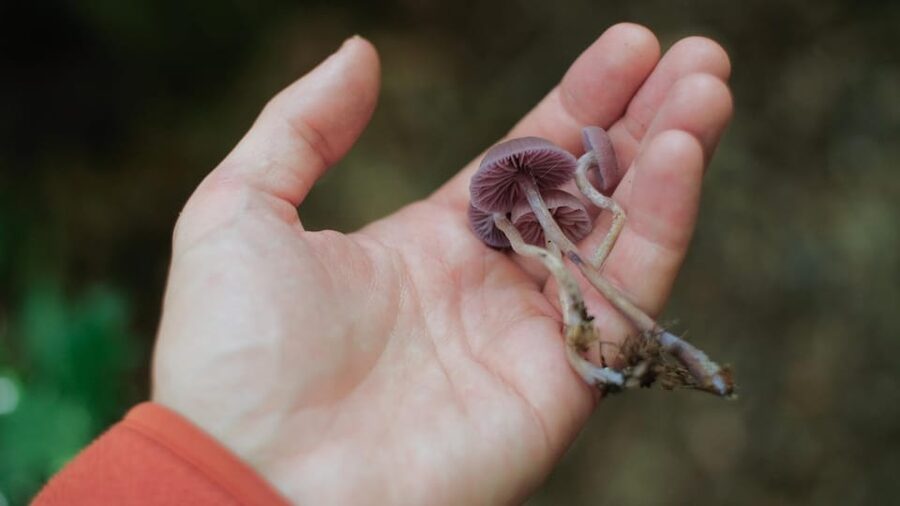
Once the walk gets going, Joseph introduces you to edible plants and fungi found in the surrounding countryside. The exact species will depend on the season and current conditions, so you should not expect the same menu on every date.
That seasonal element is one of the pleasures of foraging. A January walk can still produce useful finds, as the tour’s winter availability shows. You may not see the same plants you would in spring or summer, but the colder months do not make the outing pointless.
The instruction is aimed at easy-to-identify examples. For a beginner, that matters. You want to leave with a few solid starting points, not a crowded list of rare species that blur together by the end of the afternoon.
Joseph also explains how to photograph plants and fungi for identification at home. This is a smart detail because you will not remember every feature after a short walk. A clear photo gives you a record to compare with a field guide or trusted identification source later.
Pay attention to what makes a photograph useful. Capture the whole plant, its leaves, its stem, and its setting when possible. The tour does not replace careful checking, but it can teach you how to gather better information before you make a decision.
Wild Tasters That Make the Lesson Memorable
The tasting element gives the walk a welcome practical edge. You are not only looking at plants. You get to nibble on snacks made with wild ingredients and consider how those ingredients might work in the kitchen.
That can change the way you remember the lesson. A plant is easier to recall when you have connected its appearance with a smell, taste, or food idea. The experience also helps you think about wild food as an ingredient, not just a curiosity growing beside a path.
One reported highlight from the walk is nettles. They may not sound like an obvious food, but the tasting can encourage you to think differently about familiar plants. The point is not to rush home and pick everything in sight. It is to understand that some common plants have culinary uses when correctly identified and properly prepared.
You should tell the provider about food allergies before booking, or avoid this activity if allergies make tasting unsafe. The experience is specifically listed as unsuitable for people with food allergies. Do not assume that you can simply skip one sample and take part without concern, since the activity centers partly on wild ingredients.
The Niton Countryside Setting
This walk takes place in one of the more secluded parts of the Isle of Wight. The appeal is the combination of open countryside, plant spotting, and a slower pace. You are not racing between famous sights. You are paying attention to what grows beside the route.
That makes the setting part of the lesson. You can see where plants grow and consider how conditions affect them. The walk is not a museum display or a formal classroom, so the surroundings give the subject a real context.
The route is short enough to fit into a wider day on the island. You can combine it with other plans around Niton, but leave enough time for the walk itself and for getting ready before the start. Since starting times vary, check availability when choosing a date.
Expect British weather to shape the outing. A fine day will make the countryside pleasant, while rain may turn the path into a more demanding walk. Bring sturdy waterproof shoes and a raincoat. Comfortable clothes are also important, since high heels are not allowed and have no place on a countryside route.
More walking tours in England:
- Oxford University Walking Tour With University Alumni Guide
★ 5.0 · 6,905 reviews - Tour for Muggles The Ultimate Harry Potter Walking Tour in London
★ 5.0 · 4,684 reviews - London Jack The Ripper Guided Walking Tour
★ 5.0 · 3,131 reviews - Cambridge University Walking Tour by Alumni™ Kings College Option
★ 5.0 · 2,336 reviews
What You Learn Beyond Plant Names

A good beginner session should leave you with skills you can keep using. This one covers the basics of plant identification and encourages you to record what you see. Your notebook or phone can become a simple field log.
Write down the plant name, where you saw it, the date, and any identification clues Joseph points out. Add photographs while the details are fresh. This approach gives you a practical way to continue learning after the Isle of Wight visit.
The kitchen advice adds another useful layer. You receive ideas about how wild plants can be used in food, rather than treating identification as an abstract exercise. The tasters offer a small demonstration of that connection.
Still, the boundaries matter. A short walk cannot make you an expert in every edible plant or fungus. It can give you confidence to keep learning, but you should continue checking uncertain finds with reliable sources. Never eat a wild plant or fungus based only on a blurry photograph or a vague memory.
The strongest lesson here is caution paired with curiosity. You can enjoy the food side of foraging without becoming careless.
Price, Time, and Overall Value
At $33.67 per person, the tour offers a fairly focused outing: about 1.5 hours, a two-mile walk, a live English-speaking guide, plant and fungi instruction, and wild tasters. The price makes the most sense if you value direct guidance and want to learn a skill rather than simply spend time outdoors.
You are paying for Joseph’s experience, his preparation, and his ability to connect identification with cooking. A book or phone app may cost less, but neither can point to a plant in front of you, explain what to notice, and answer questions in the moment.
The short duration is both a benefit and a limit. It fits neatly into an Isle of Wight day and does not demand a major time commitment. On the other hand, anyone hoping for a full-day food gathering course will find this too brief.
The tour has an average rating of 4.3 from six reviews, with especially strong praise for Joseph’s friendly manner, clear explanations, and ability to make the subject exciting. The feedback also points to the way the walk inspires people to keep learning and try unfamiliar plants in their cooking. That is a good sign for a first introduction, though the small number of reviews means you should keep expectations measured.
Who Should Book This Walk
I would recommend it to adults who are curious about wild food, enjoy walking, and like learning through direct observation. It is especially suitable if you want a gentle introduction before buying specialist books or planning your own foraging trips.
You will get the most from it if you arrive with questions. Ask how Joseph separates an edible plant from a lookalike, which features matter most, and how he uses photographs for later identification. Bring your phone with enough battery for notes and pictures.
The tour is less suitable if you want a completely relaxed stroll on smooth paths. It is not suitable for wheelchair users or people with mobility impairments, and it is not recommended for people with a low level of fitness. The route is outdoors, so you need to be comfortable walking for roughly 1.5 hours in changeable weather.
It is also not the right choice for anyone under 18, anyone who is intoxicated, or anyone bringing alcohol or drugs. Those rules are straightforward and help keep the activity safe and focused.
What to Bring for an Isle of Wight Forage
Pack lightly, but do not arrive unprepared. Your essentials are:
- Sturdy, comfortable shoes suitable for wet countryside
- A raincoat and comfortable clothing
- A bottle of water
- A charged smartphone for photographs and notes
- A notebook if you prefer writing things down
You do not need to bring a foraging basket. Joseph carries one, and the basket also helps you recognize him at the meeting point.
Avoid high-heeled shoes. They are unsuitable for the route and specifically not allowed. If rain is forecast, waterproof footwear matters more than appearance. Wet socks can spoil even a short walk.
Since tasting wild ingredients is part of the experience, consider your own dietary safety before booking. The activity is not suitable for people with food allergies, and you should not assume that every sample will be avoidable.
Booking Flexibility and Practical Limits
You can cancel up to 24 hours in advance for a full refund, and the reserve-now, pay-later option lets you hold a place without paying immediately. That is helpful when you are planning around Isle of Wight transport or uncertain weather.
Starting times are shown through availability, so check the date and time before arranging the rest of your day. The walk returns to the car park opposite The Buddle Inn, which simplifies transport planning.
The activity is offered in English only. If you need step-free access or a wheelchair-friendly route, choose another Isle of Wight outing. This is a countryside walk with physical demands, not an accessible indoor food demonstration.
Should You Book the Beginner Foraging Walk?
Book this walk if you want a friendly, practical introduction to wild food and enjoy the idea of learning in the countryside around Niton. Joseph Thurbin’s mix of plant identification, photography advice, and food tasters gives the 1.5-hour outing more substance than a simple nature walk.
Skip it if you have food allergies, limited mobility, a low fitness level, or want a long and advanced foraging course. For everyone else, the $33.67 price is reasonable for a compact lesson with a live guide, real samples, and a useful skill you can continue practicing after you leave the island.
FAQ
How long is the foraging walk?
The activity lasts about 1.5 hours and covers roughly two miles.
Where does the walk start?
It starts at the large car park opposite The Buddle Inn in Niton. Joseph will be carrying a foraging basket.
Where does the activity finish?
The walk ends back at the same meeting point.
What will I learn on the tour?
You will learn the basics of plant identification, how to identify wild edible plants, and how to photograph plants and fungi for identification at home. You will also receive ideas for using wild ingredients in the kitchen.
What should I bring?
Bring comfortable shoes, comfortable clothing, water, a raincoat suitable for British weather, and a charged smartphone. A notebook can also be useful for taking notes.
Is the walk suitable for everyone?
No. It is not suitable for children under 18, wheelchair users, people with mobility impairments, people with a low level of fitness, or people with food allergies. High heels, alcohol, drugs, and intoxication are not allowed.
Just added around England
- London Private Jack The Ripper Tour★ 5.0 · 9 reviews
- Private Spy Walking Tour of London★ 5.0 · 6 reviews
- Private Shoreditch Street Photography Workshop★ 4.5 · 4 reviews
- Private Sightseeing Walking Tour of The City Of London★ 5.0 · 3 reviews
- Private 2.5 Hour Taxi Tour of London – London’s Greatest Bits!★ 5.0 · 4 reviews
- Private Round Trip Transfer between London Airports and Hotel★ 3.5 · 56 reviews
- London to Southampton Cruise Port Including Stonehenge★ 5.0 · 13 reviews
- Shakespeare London Walking Tour★ 5.0 · 26 reviews
Food Tours, compared.
London Bridge & Borough Market Food Tour with 7 Authentic Dishes
Read our review →
London Foodie Adventure:More than 10 dishes with Sherpa Food Tour
Read our review →
Eating London: Twilight Soho VIP Food & Drinks Tour
Read our review →
East London Indian Food Tour with 8+ Authentic Food Tastings
Read our review →
London Borough Market & London Bridge Food Tour
Read our review →
Ultimate London Cheese Crawl : Guided Food Tour
Read our review →
Browse the lists this tour appears in