
Reviewed · WALKING TOURS
Crime and Policing London Walking Tour
London’s crime story begins long before modern police dramas. On this 2-hour-15-minute walking tour, you follow the growth of London policing from the Bow Street Runners to the Metropolitan Police, with a former officer explaining the work behind the buildings and badges.
I like the mix of major sights and lesser-known stories. You see Trafalgar Square, Whitehall, Downing Street, and Scotland Yard while hearing about unsolved murder, espionage, riots, women in policing, and wartime London. I also like that Francis Mullan and David bring experience from police work, rather than simply repeating dates from a guidebook.
The main consideration is that this is a story-led walk, not an attraction-filled tour with interior visits. Most stops are outside, and the focus is on the guide’s explanations, so you should choose it because you want police history and personal insight, not because you expect a museum visit.
Key points to know before booking
- Former police officers lead the walk: Francis Mullan and David draw on their own police experience, including practical stories and comparisons with policing in other countries.
- The route links famous sights with crime stories: Bow Street, Charing Cross, Trafalgar Square, Whitehall, and New Scotland Yard all fit into one compact central London walk.
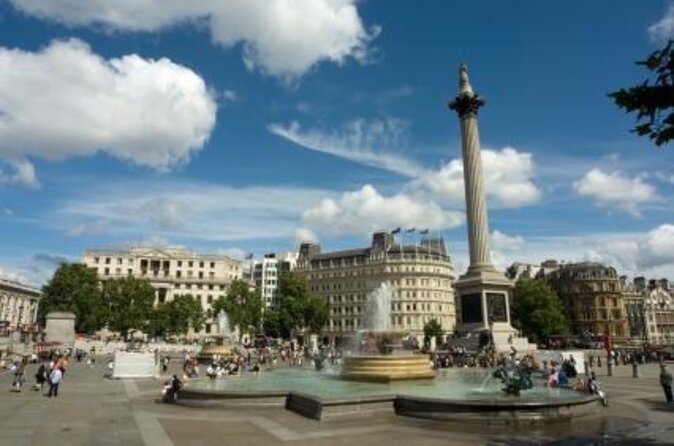
- Historic police objects add a hands-on touch: You may examine real items of police regalia and equipment during the experience.
- The pace is gentle: The walk is designed for most participants, with refreshment and toilet stops available if required.
- The route ends near Westminster Station: From New Scotland Yard, you are close to Tube, bus, and riverboat connections, as well as pubs, bars, and restaurants.
- The group is limited to 20 people: That gives the guide a better chance to answer questions than a large coach tour.
Starting at Bow Street, where London policing took shape

The walk begins near Covent Garden, at Covent Garden Underground Ltd on Long Acre. From there, the first stop is Bow Street, a fitting place to begin because it connects policing, courts, and early efforts to control crime in London.
You see the famous Bow Street Police Station and Magistrates Court from outside. This was the home of the Bow Street Runners, an early group of law enforcers often linked with the development of organized policing in London.
The stop lasts about 10 minutes. That is enough time for an introduction without making you linger too long at one location. If you are new to London, Bow Street also gives you a useful sense of how closely the city’s police and court systems once worked together.
The tour does not treat policing as a simple march toward modern efficiency. You hear how the work developed and how the places around you were tied to crime, law, and public order. That approach makes the opening more useful than a quick photograph outside an old building.
More Walking Tours in London
- Tour for Muggles The Ultimate Harry Potter Walking Tour in London
★ 5.0 · 4,684 reviews - London Jack The Ripper Guided Walking Tour
★ 5.0 · 3,131 reviews - Changing of the Guard Guided Walking Tour in London
★ 5.0 · 1,793 reviews
Aldwych and the darker side of London
The route then moves into the Aldwych area, where the guide discusses one of London’s saddest unsolved murders. The story also touches on international espionage and murder, showing that London’s crime past is not limited to street theft or local disputes.
This is one of the tour’s more serious sections. The subject matter may appeal to you if you enjoy cold cases and political crime, but it may feel heavy if you prefer a lighter sightseeing walk.
The stop is brief, around 10 minutes, so expect a focused account rather than a long case file. Francis has also discussed current cold cases and his own experiences during the walk, giving the subject a link between older London and more recent policing.
You should keep your expectations clear here. The tour gives you stories and context at the locations connected with them. It does not promise access to crime scenes, police archives, or courtroom interiors.
Charing Cross and the blue lamp
At Charing Cross, the subject turns to murder and mayhem in one of central London’s most important public spaces. You also see one of Europe’s busiest police stations and learn about London’s famous blue police lamp.
Charing Cross works well as a tour stop because it is both a major transport area and a place where police visibility matters. The guide can connect everyday city movement with the practical demands of keeping order in a crowded capital.
This is another 10-minute stop, so comfortable shoes matter more than stamina. The walk is described as gentle, but central London streets can still be tiring if you are wearing hard-soled shoes or trying to keep up with a full day of sightseeing.
The blue lamp is a small detail, but that is part of the appeal. You are not only looking at grand government buildings. You are also learning to notice the signs and objects that mark the everyday presence of the police.
The Sherlock Holmes Pub and Great Scotland Yard
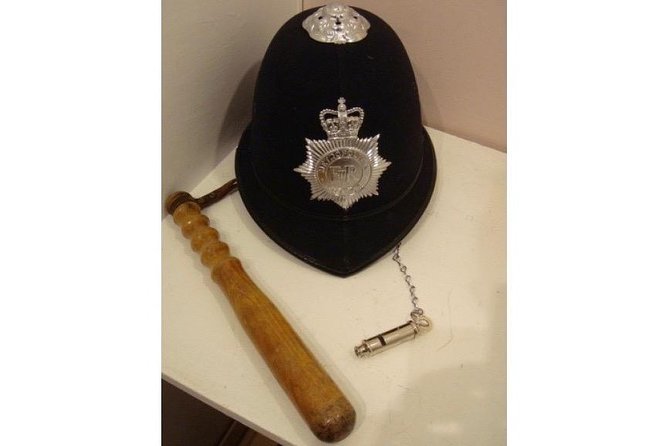
Northumberland Avenue brings one of the most enjoyable changes of pace. The group stops at the Sherlock Holmes Pub, linked to Arthur Conan Doyle’s famous fictional detective, before crossing toward Great Scotland Yard.
The pub stop gives you a chance to pause, ask questions, and connect London policing with the city’s long relationship with detective fiction. A drink is not listed as part of the ticket, so plan to pay for anything you order yourself.
Sherlock Holmes is fictional, but the setting helps explain why London’s crime stories have traveled so well. The tour places the character alongside real police institutions, letting you compare the imagined detective with the people and systems that actually dealt with crime.
You then reach Great Scotland Yard, described as the place where London policing was created and the site of the first police headquarters. This is one of the key moments of the walk. If you know Scotland Yard mainly as a name from crime novels and newspapers, you get a clearer sense of its real connection to the Metropolitan Police.
The stop lasts about 20 minutes, making it the longest scheduled stop. That extra time is useful because the guide can explain more than the building’s name. You can ask about police procedure, the role of the force, and how fiction has shaped the public image of Scotland Yard.
Same part of England, a completely different sort of day:
- London Big Bus Hop-On Hop-Off Tour with Optional River Cruise
★ 3.5 · 10,803 reviews - London Small Group Tour of Historical Pubs
★ 5.0 · 10,422 reviews - Tower of London and Crown Jewels Exhibition Ticket
★ 4.5 · 6,677 reviews - Thorpe Park Admission Ticket
★ 4.0 · 5,915 reviews
Trafalgar Square and the smallest police station
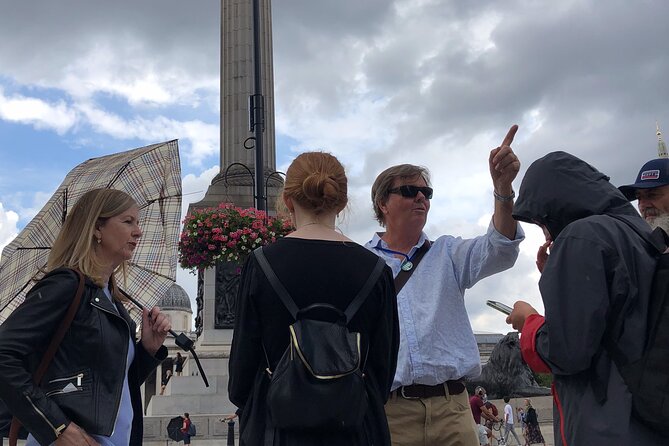
Trafalgar Square brings the walk back to a major public space. The square has hosted national celebrations, demonstrations, and riots, and the guide explains how police have managed events there.
You also see what is described as the world’s smallest police station. It is an easy detail to miss if you are crossing Trafalgar Square on your way to somewhere else, which is exactly why a focused walking tour can be useful.
The stop lasts about 10 minutes. The guide’s job here is not to give you a full account of every protest or celebration, but to show how policing changes when a public square becomes a stage for national events.
This is one of the best points for people who want to combine sightseeing with civic history. You still see one of London’s essential landmarks, but you also learn how crowds, demonstrations, and public safety shaped its use.
Whitehall, Downing Street, and wartime policing
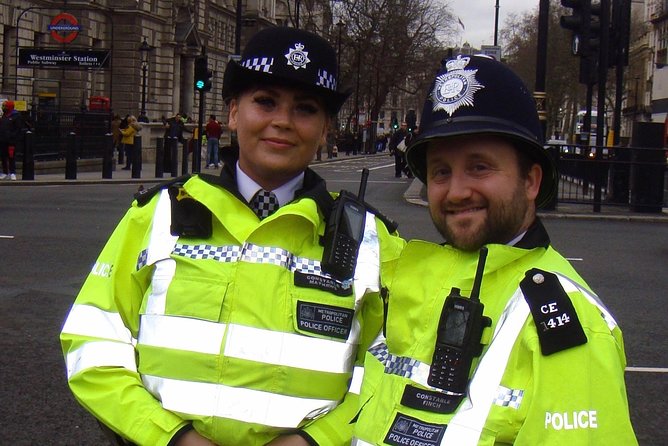
At Whitehall, the group sees the heart of British government and passes Downing Street. The tour then turns to the role of women in policing and the police response during wartime London.
That pairing gives this section useful range. Downing Street brings national government into view, while the discussion of women in the force and wartime work shifts attention toward the people who kept London functioning under pressure.
The stop lasts about 10 minutes. You should expect an outdoor explanation rather than entry into government buildings. Whitehall is also a busy area, so listen carefully and stay close to the guide when the group moves between viewpoints.
This section may be especially useful if you have already seen the famous government sights and want to understand what happened around them. It adds a social and working-life angle to a street that many visitors only associate with political buildings.
Returning to Scotland Yard and the Metropolitan Police
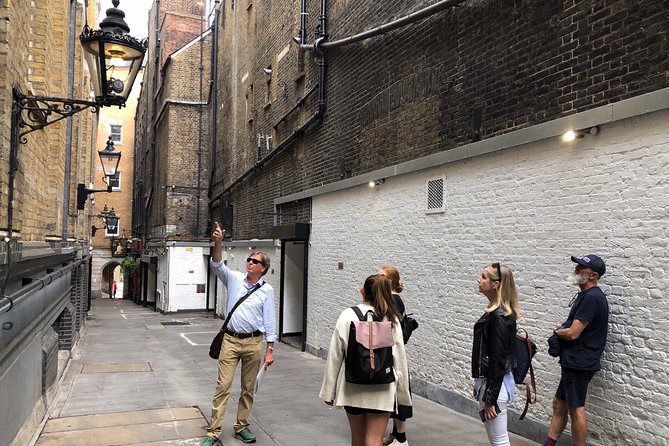
The tour includes both Great Scotland Yard and a later stop focused on the Metropolitan Police. That repetition is purposeful. The first visit explains the origin of the police headquarters, while the later stop focuses on the institution and its public image.
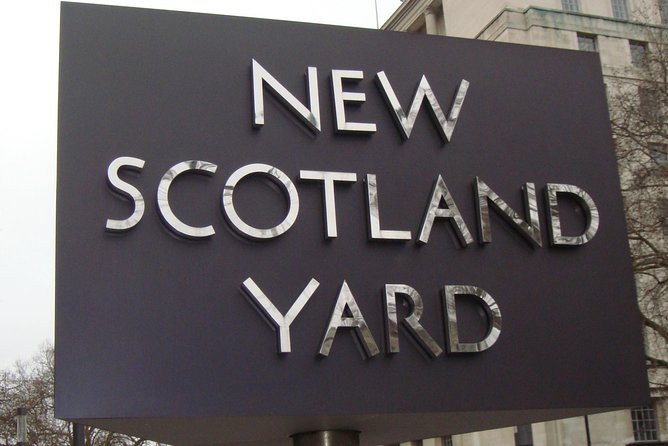
At the Metropolitan Police stop, you see the iconic revolving sign known around the world. For anyone interested in detective novels, television crime series, or British police history, this is a strong closing part of the route.
The guide may also use these final stops to answer questions. One of the more useful features of the experience is the chance to ask about subjects outside the prepared route. David, in particular, has been praised for taking time to answer extra questions, while Francis is noted for combining police experience with broad knowledge of London crime.
That personal exchange is important. A standard sightseeing guide can tell you where Scotland Yard is. A former officer can discuss how the force is viewed, how policing differs in the United Kingdom and the United States, and what public ideas about police work get wrong.
What the guiding style adds
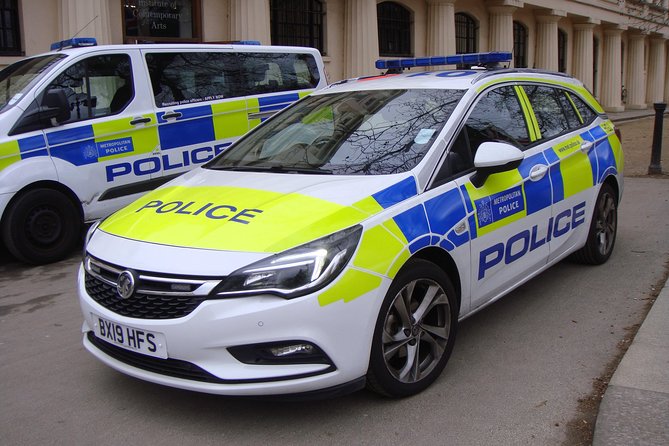
Francis Mullan leads many dates, and David also guides the walk. Both are former police officers, which gives the experience a point of view you will not get from a general London history tour.
Francis is described as friendly, punctual, and willing to answer questions. His stories cover crime history, current cold cases, Sherlock Holmes, and his own police experiences. David is also noted for explaining subjects clearly and giving extra time to questions beyond the set route.
The strongest part of this format is the balance between prepared stories and conversation. You are not simply walking behind someone who points at buildings. You can ask how policing worked, compare British and American practice, or follow up on a case that catches your interest.
The tradeoff is that the experience depends heavily on the guide you receive and on your own interest in the subject. If you want a tightly scripted history lecture or a tour filled with formal exhibits, this may feel informal. If you enjoy personal stories and questions, that informality is a benefit.
Walking conditions, group size, and timing
The tour lasts about two hours and 15 minutes and moves at a gentle pace. Most people should be able to manage it, but central London pavement, crossings, and standing at outdoor stops still make comfortable footwear a sensible choice.
Refreshment and toilet stops are available if required. The Northumberland Avenue pub stop also gives the route a natural pause. You should still arrive ready for a walking tour rather than assuming every minute will be spent seated.
The maximum group size is 20 people. That is small enough for a guide to hear questions and keep the group together, though the experience can still feel less personal if every participant wants a long answer.
The starting point is in the Covent Garden area, close to major central London sights. The tour ends at 35 Victoria Embankment, near New Scotland Yard and Westminster Underground Station. From there, you can continue toward Westminster Abbey, Big Ben, or other central sights, or use the Tube, buses, or riverboats.
A useful plan is to book this early in your London visit. The route gives you a good sense of central London, and the end point makes it easy to continue sightseeing. It is also booked well in advance on average, around 46 days, so last-minute availability may not be dependable.
Is $48.61 a fair price?
At $48.61 per person, this is not the cheapest way to walk around central London. You can see Trafalgar Square, Whitehall, and the outside of Scotland Yard without paying for a tour.
The value comes from the guiding. You are paying for a former officer’s stories, connections between places, explanations of British policing, and the chance to examine historic police regalia and equipment. The tour also covers a wide range of subjects in a short time, from the Bow Street Runners to wartime policing and modern cold cases.
I would consider the price fair if you are genuinely interested in crime, police work, or London’s darker stories. It is less compelling if you mainly want photographs of famous landmarks and do not plan to listen closely to the commentary.
No major admission fees are listed because the route is mainly outdoors. Gratuities are not included, so you can tip the guide if you feel the experience earned it. Any drink at the Sherlock Holmes Pub should also be treated as an extra personal expense.
Who will enjoy this walk most?
This tour suits adults, older children, and families who like mysteries, police history, and stories about how cities work. It also suits anyone who has watched British crime dramas and wants to separate the real Metropolitan Police from its fictional image.
It can be particularly interesting for police officers, retired officers, and people curious about the differences between British and American law enforcement. One participant with a retired US peace officer in the family found that comparison useful.
You do not need to be a police enthusiast. The route includes major London sights, and the historical material gives them more meaning. A family member who was initially less interested in the subject still found the walk enjoyable because it combined personal stories with general London history.
I would be more cautious about booking it for very young children. The subject includes murder, unsolved cases, and mayhem, and the value depends on following spoken explanations for more than two hours.
Practical booking advice
Confirmation is provided when you book. The tour is offered in English, with a mobile ticket, and service animals are allowed.
The experience needs good weather. If poor weather cancels the tour, you are offered another date or a full refund. It also requires a minimum number of participants, with the same choice of another date, another experience, or a refund if that minimum is not met.
You can cancel for a full refund up to 24 hours before the start time. Changes or cancellations made inside that 24-hour window are not accepted for a refund.
Arrive ready to walk, stand, and listen outdoors. Wear comfortable shoes, keep the meeting details on your phone, and leave room in your schedule at the end if you want to continue around Westminster.
Should you book the Crime and Policing London Walking Tour?
Book it if you want real police insight woven into central London sightseeing. Francis Mullan and David give the route a personal angle, and the combination of Bow Street, crime cases, Trafalgar Square, Whitehall, Sherlock Holmes, and Scotland Yard offers more range than a basic landmark walk.
Skip it if you want interior access, a museum visit, or a tour focused only on architecture. The ticket pays for stories, context, and conversation rather than entry to attractions.
For the right audience, the $48.61 price is reasonable. You see familiar London sights, learn details you could easily miss, and finish near Westminster with the rest of the city open in front of you.
FAQ
How long does the Crime and Policing London Walking Tour last?
The tour lasts approximately 2 hours and 15 minutes.
Where does the tour start?
It starts at Covent Garden Underground Ltd on Long Acre, London WC2E 9JT.
Where does the tour finish?
It finishes at 35 Victoria Embankment, near New Scotland Yard and Westminster Underground Station.
Who guides the tour?
The guides are former police officers Francis Mullan and David. The guide available for your date may vary.
Is the tour conducted in English?
Yes. The tour is offered in English.
How large is the group?
The maximum group size is 20 participants.
Is the walk suitable for most people?
The walk is described as gentle, and most participants can take part. Comfortable footwear is recommended, and refreshment and toilet stops are available if required.
Just added around London
- London Private Jack The Ripper Tour★ 5.0 · 9 reviews
- Private Spy Walking Tour of London★ 5.0 · 6 reviews
- Private Shoreditch Street Photography Workshop★ 4.5 · 4 reviews
- Private Sightseeing Walking Tour of The City Of London★ 5.0 · 3 reviews
- Private 2.5 Hour Taxi Tour of London – London’s Greatest Bits!★ 5.0 · 4 reviews
- Private Round Trip Transfer between London Airports and Hotel★ 3.5 · 56 reviews
- Shakespeare London Walking Tour★ 5.0 · 26 reviews
- Private Prison Van Escape Game – London Immersive Experience★ 4.0 · 15 reviews
Walking Tours, compared.
Oxford University Walking Tour With University Alumni Guide
Read our review →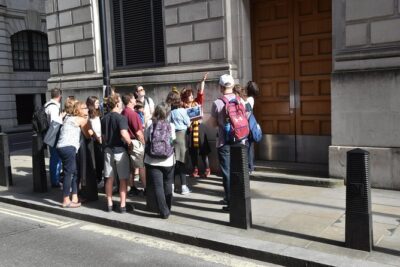
Tour for Muggles The Ultimate Harry Potter Walking Tour in London
Read our review →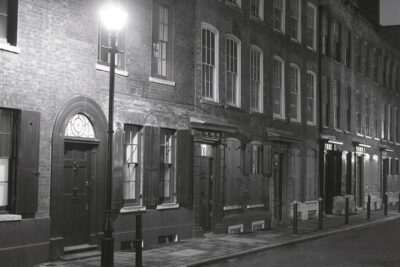
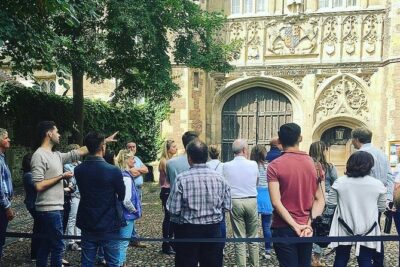
Cambridge University Walking Tour by Alumni™ Kings College Option
Read our review →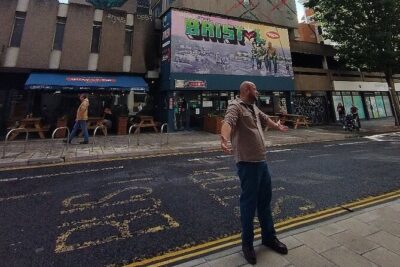
Blackbeard to Banksy – The Ultimate Walking Tour of Bristol
Read our review →
Air Raid Shelter + St. Nicholas Market Walking Tour
Read our review →
Walking Tour of Bath with Blue Badge Tourist Guide
Read our review →
Changing of the Guard Guided Walking Tour in London
Read our review →Browse the lists this tour appears in